
Fence Installation in Houston: Local Conditions
Houston is the largest city in Texas, and its neighborhoods range from 1920s bungalows inside the Loop to newer subdivisions on the edges. Houston gets about 50 inches of rain a year and stays humid most of the year, so wood fences and decks stay damp longer than in the rest of Texas. Hurricane Beryl in July 2024 knocked down trees and fences across the area and left more than 2 million customers without power.
- Cities set rules on front-yard fence height, corner-lot sight lines and masonry walls, so check before building.
- Humidity keeps wood damp longer, so rot at the base of posts is the most common failure.
Choosing Materials in Houston
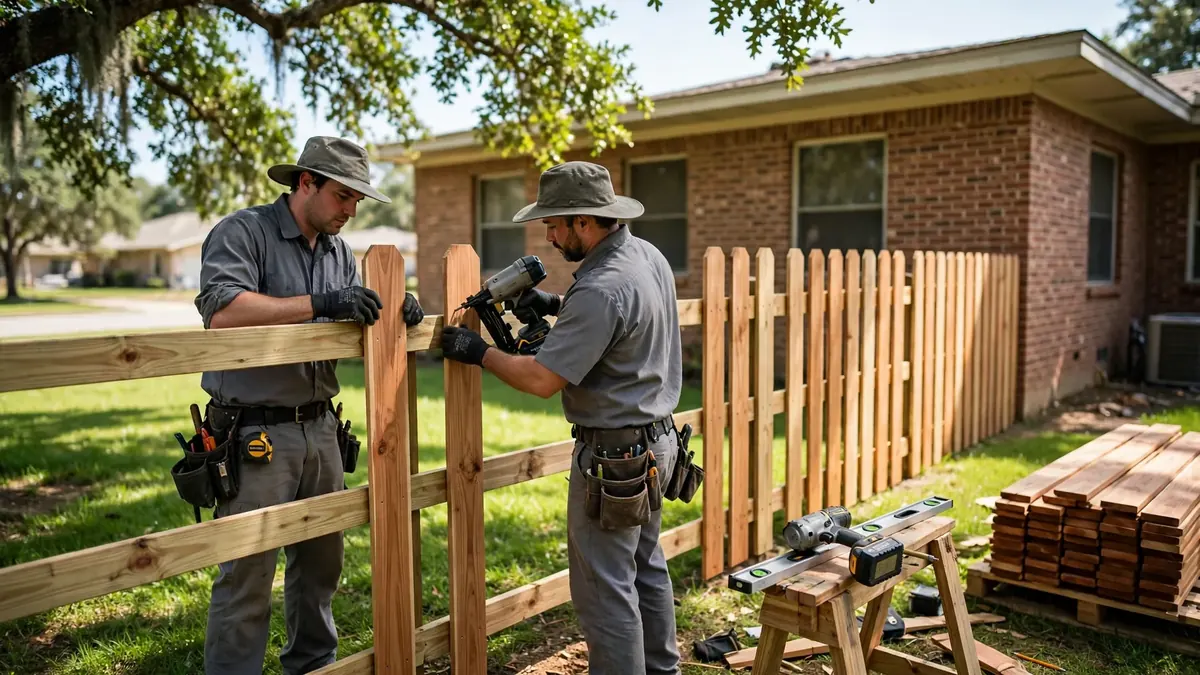
Cedar or pine privacy fences on steel or treated posts are standard; ornamental iron or aluminum is common in front yards and around pools in neighborhoods like Bellaire and West University Place.
Steel Posts vs. Wood Posts
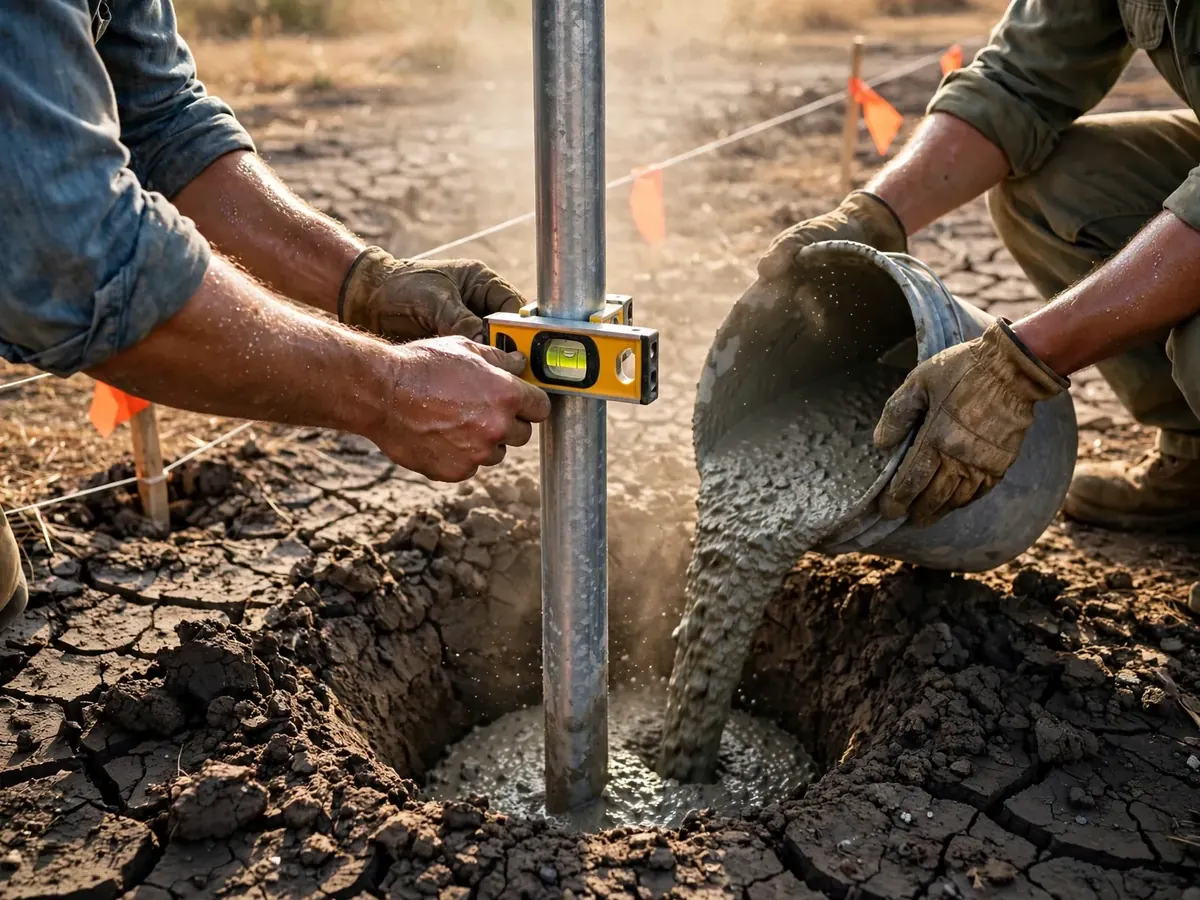
If you want the look of wood all the way down, steel posts can be wrapped or hidden behind the pickets. In Houston, where the ground and the weather work against posts, steel is worth the added cost over the life of the fence.
Cedar Privacy Fences in Houston
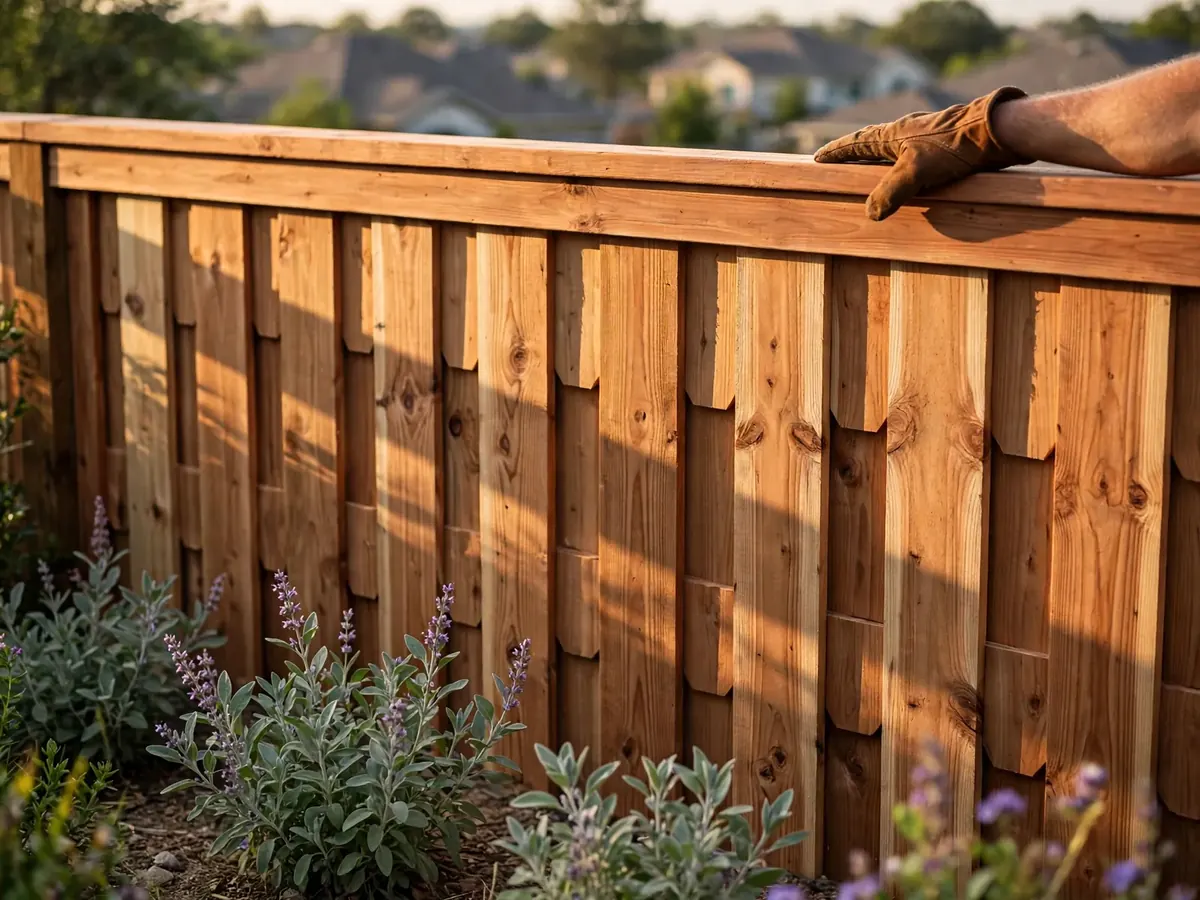
Cedar is popular for good reasons: it's lighter than pine, resists insects and rot, and weathers to a silver gray if you don't stain it. On a typical Houston lot the main decisions are picket style, rail count and whether to add a top cap and trim board for a finished look.
Vinyl and Composite Fences in Texas Heat
Vinyl doesn't rot or need stain, which appeals in humid areas with termites. In Texas sun, though, cheaper vinyl can sag or become brittle. Look for heavier-gauge, UV-stabilized products, and lighter colors that absorb less heat. Composite fencing is denser and handles heat better than most vinyl, at a higher cost.
Setting Posts in Shifting Clay Soil
If neighboring fences in your part of Houston lean, the soil is probably the reason. Ask the fence builder how they handle expansive clay: post depth, footing width and whether they use steel posts.
Pet and Pool Fencing
For dogs, the gap at the bottom of the fence matters as much as the height. A rot board or a strip of wire along the bottom stops diggers, and smooth, tall pickets discourage climbers. If you're fencing for a pool, check your city's pool barrier rules for height, gaps and self-closing, self-latching gates.
HOA Rules, Permits and Property Lines
Fences belong a few inches inside your property line unless you and your neighbor agree otherwise. A survey or plat shows where the line is. If you're replacing a shared fence, talk with the neighbor first about style, cost and which side faces whom.
Other Fence Situations in Houston
Building a Fence That Stands Up to Wind
Solid privacy fences catch wind like a sail, so post depth, spacing and rail strength matter in storm-prone areas.
Wrought Iron and Aluminum Fences
Ornamental iron and aluminum mark boundaries, secure pools and keep views open; aluminum resists rust near the coast.
Horizontal and Modern Fence Designs
Horizontal slat fences give a modern look but need tighter post spacing to keep long boards from sagging.
Common Reasons Houston Homeowners Call
- Planning a pool, a dog or new privacy
- HOA requires an approved style
- Neighbors replacing a shared fence
- Old fence leaning or sagging
Before You Call
- Call 811 to have utility lines marked before digging
- Find your survey or plat showing property lines
- Mark gates and where you need access for mowers or vehicles
- Measure the rough length of fence needed
- Check HOA fence guidelines and stain colors
Planning Fence Installation in Houston: What to Expect
One call to 877-753-1892 gets the conversation started with a fence builder who works around Houston. Bring your measurements, photos and any HOA requirements.
877-753-1892Fence Questions From Houston Homeowners
What fence material is best near the coast?
Aluminum, vinyl and cedar with stainless or galvanized fasteners hold up best in salt air and humidity.
Are steel posts worth it?
In most of Texas, yes. Galvanized steel posts don't rot or attract termites and resist movement in clay soil better than wood posts.
What should Houston homeowners know about fence projects?
Shrink-swell clay moves posts every season, so post depth, footing shape and steel posts matter more than picket style. Low ground that stays wet after storms speeds up rot at the base of wood posts. Much of the area sits on gumbo clay that holds water, so posts set without good drainage can loosen and rot.