
What to Know About Deck Repair in Leander
Leander is one of the fastest-growing cities in the Austin area, with many new subdivisions on rocky ground. Leander sits in Williamson and Travis counties, at the end of the region's commuter rail line.
New HOA neighborhoods dominate, many on shallow soil over rock. Occasional hard freezes in Leander are a reason to make sure water can drain away from footings. A deck that suits Taylor's shifting clay isn't automatically right for Leander, where shallow limestone matters more.
- Cities usually require permits for attached, larger or raised decks.
- Many newer homes have bare backyards that are well suited to a first deck.
Loose Railings and Wobbly Stairs
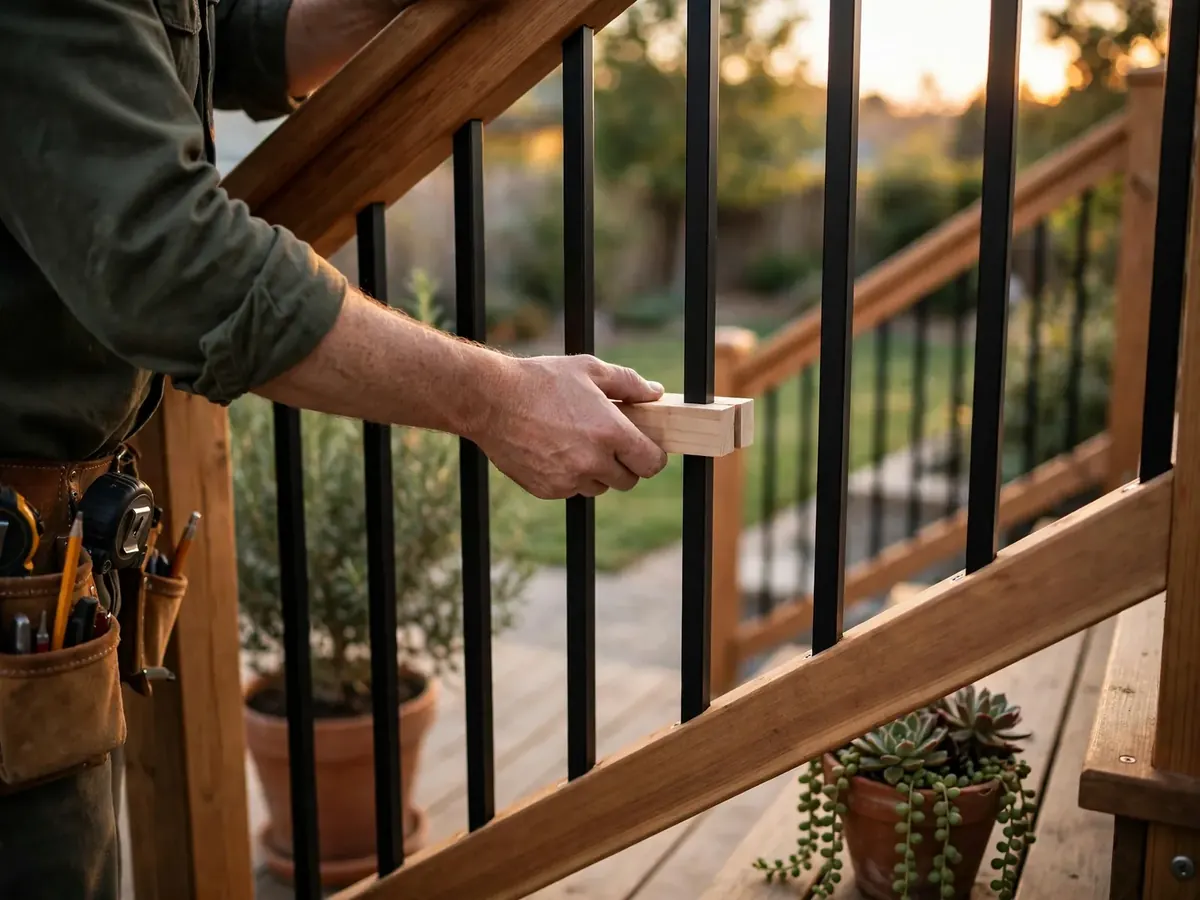
If you have children or older family members, prioritize railing and stair repairs. Railing posts should be bolted through the rim joist, not just nailed.
Through-bolts and blocking hold railing posts far better than nails. In Leander's newer neighborhoods, upgrades often replace the original builder materials.
A question many homeowners raise: Permits bring inspections, which catch footing and framing problems while they're still easy to fix.
Cleaning, Sealing and Restoring
Sealer soaks in best on dry, warm days. Sealing works best after repairs are done and the wood is dry.
Composite decks need cleaning, not sealing, to keep mold off the surface. City codes in Leander may set limits that affect your design.
Replacing Cracked and Cupped Boards in Leander
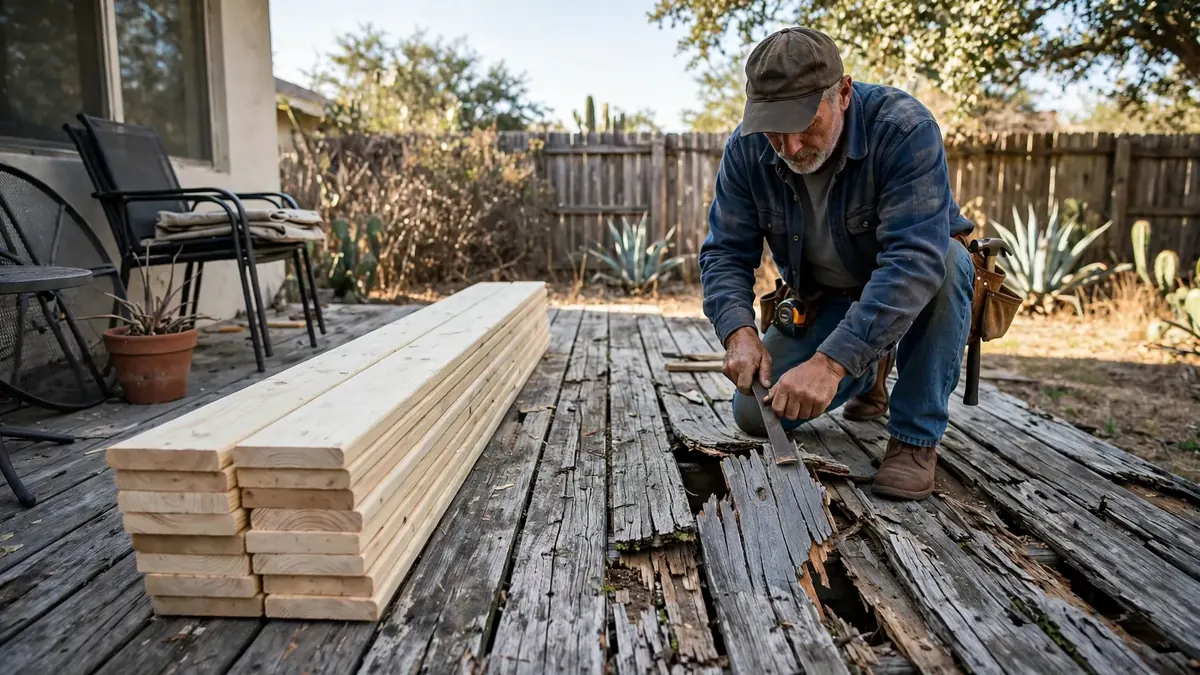
If only a few boards are bad, replacing them and sealing the whole deck evens out the look. Replacement boards should match the thickness of the originals to keep the surface even.
Cupping happens when the top and bottom of a board dry at different rates.
A question many homeowners raise: Composite boards last a long time, but the framing underneath still needs care.
Ledger Board and Water Damage
Stains or soft spots there are a sign that water has been getting behind the ledger. Look at the siding and foundation directly under the deck.
If the ledger is rotted, the deck may need temporary support while it's replaced.
Rot and Termite Damage in the Framing
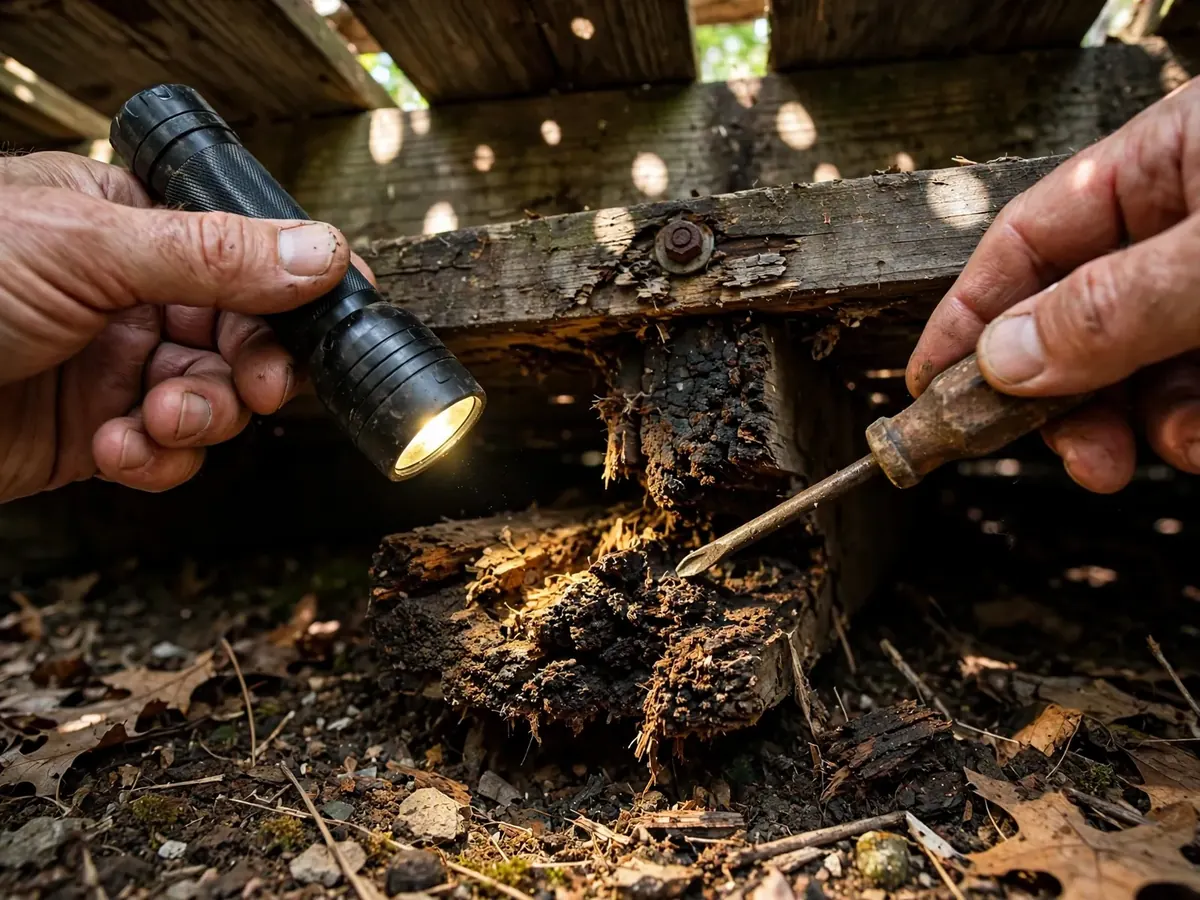
Termites leave hollowed wood and mud tubes. New boards on rotten framing won't last.
Termite damage often hides inside boards that look fine from outside.
A common concern: Permits and HOA approval often take longer than the build itself, so start that paperwork first.
Common Reasons Leander Homeowners Call
Around Leander, a call usually follows one of these:
- Loose railings
- Wobbly stairs
- Soft or spongy boards
Quick Checks Before the Call
- Check under the deck for soft wood
- Photograph problem areas
- Keep people off loose railings
- Pull your HOA's architectural guidelines and the approval form; most Leander associations want them before work is scheduled
- Look up your city's height and setback rules, or ask the deck repair pro to
Deck Repair in Leander: Talk to a Local Deck Repair Pro
Pick up the phone and dial 877-753-1892. A deck repair pro familiar with Leander can talk through materials, timing and what affects the price. Pick up the phone today and get your deck project on the calendar.
877-753-1892Deck Questions From Leander Homeowners
How often should a wood deck be sealed?
Every one to two years in Texas sun. Ask about this on your first call, since conditions vary across Leander.
How do I choose a deck repair pro in Leander?
Get the materials, dimensions and scope in writing. A good deck builder will talk about footings, ledgers and flashing, not just boards.
What should Leander homeowners know about deck projects?
Leander's limestone holds footings firmly once they're set, which is one advantage of the hard digging. West of I-35, Austin sits on Hill Country limestone that often needs a rock auger to set posts; east of I-35, Blackland Prairie clay swells and shrinks. Leander and Del Valle sit in the same part of the state, but Leander deals more with shallow limestone, while Del Valle contends with shifting clay.