
What to Know About Fence Repair in Cedar Hill
South and east of Dallas, subdivisions give way quickly to acreages and small farms, so a single town can need both a backyard privacy fence and a pasture fence. Black clay soils here are especially prone to shrinking and swelling, which makes post depth and concrete footings matter more.
- Spring hail splits and pits pickets and dents metal fencing, so storm repairs are routine.
- Strong winds push on solid privacy fences, so closer post spacing and steel posts help them stay upright.
What Holds Up Around Cedar Hill
Cedar privacy fences in town, with pipe, wire and pipe-and-cable fencing on acreages; steel posts help in the shifting clay.
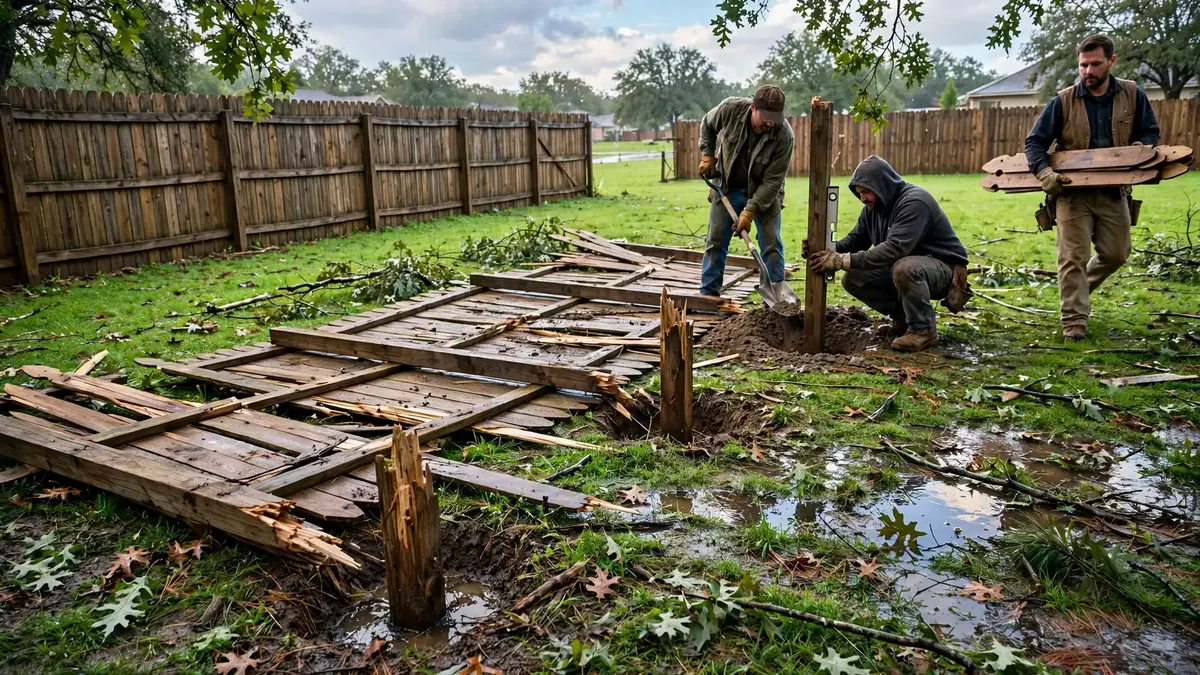
Storm-Damaged Fences in Cedar Hill
Take photos of storm damage before cleanup if you plan to file an insurance claim; many homeowner policies cover fences damaged by wind or falling trees. A fence repair pro can document what failed and why.
Leaning Fences and Shifting Posts
In shifting clay, posts can lean even when they're not rotted. If a section around Cedar Hill leans more every year, ask about deeper footings or steel posts set below the most active soil layer.
Repair or Replace?
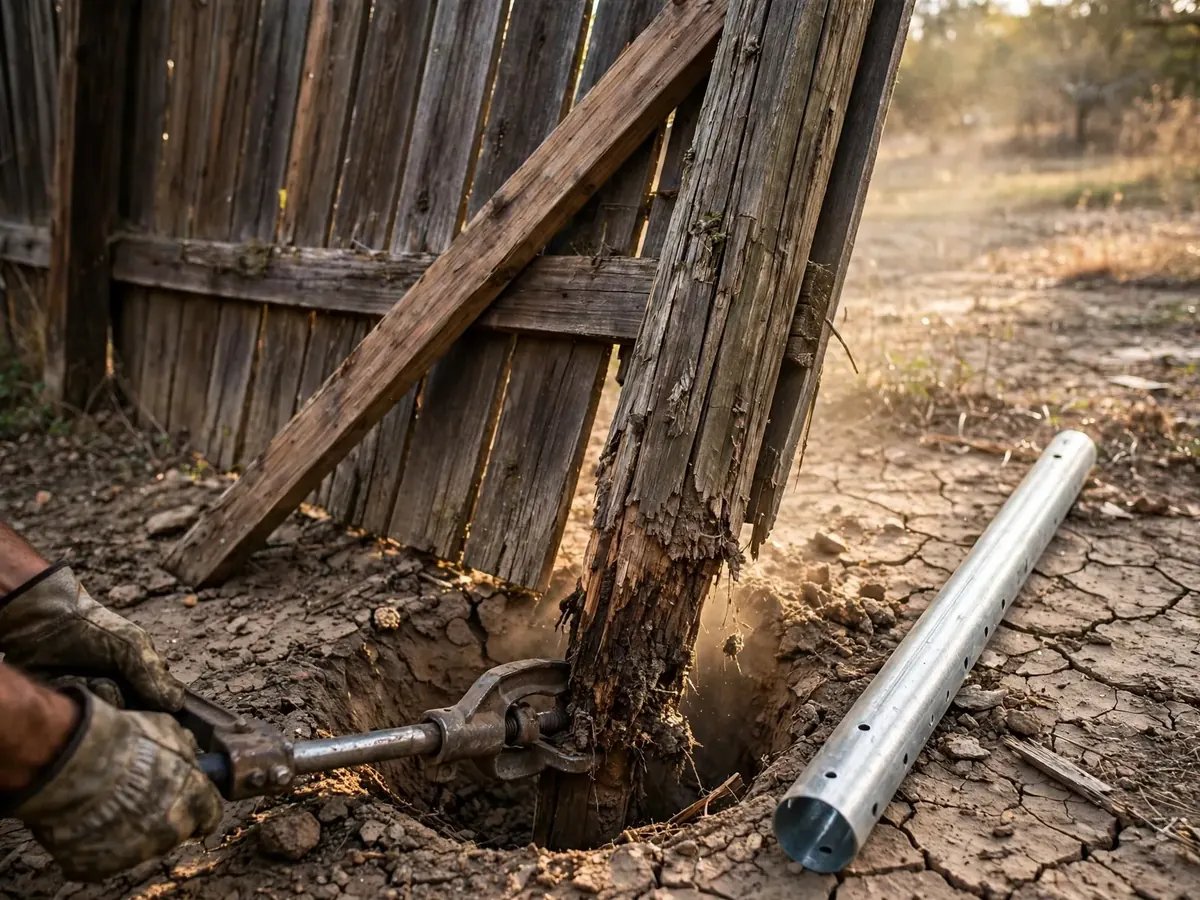
The answer depends on the posts. If most are solid and only a few sections are damaged, repair makes sense. If half the posts are rotten, pickets are gray and brittle, and the fence leans everywhere, replacement usually costs less over time.
Fence Damage From Trees and Roots
When roots have lifted a post, it can sometimes be shifted a foot or two along the line to clear them, with a short rail adjustment. That keeps the tree and the fence both healthy.
Broken Pickets, Rails and Sagging Sections
Pickets crack and warp in dry heat, and rails split where they're nailed. If the posts are solid, replacing a few pickets or a rail is a small job. Matching weathered cedar is hard, but new wood blends in after a season, and a stain evens the look.
Rotted Post Replacement
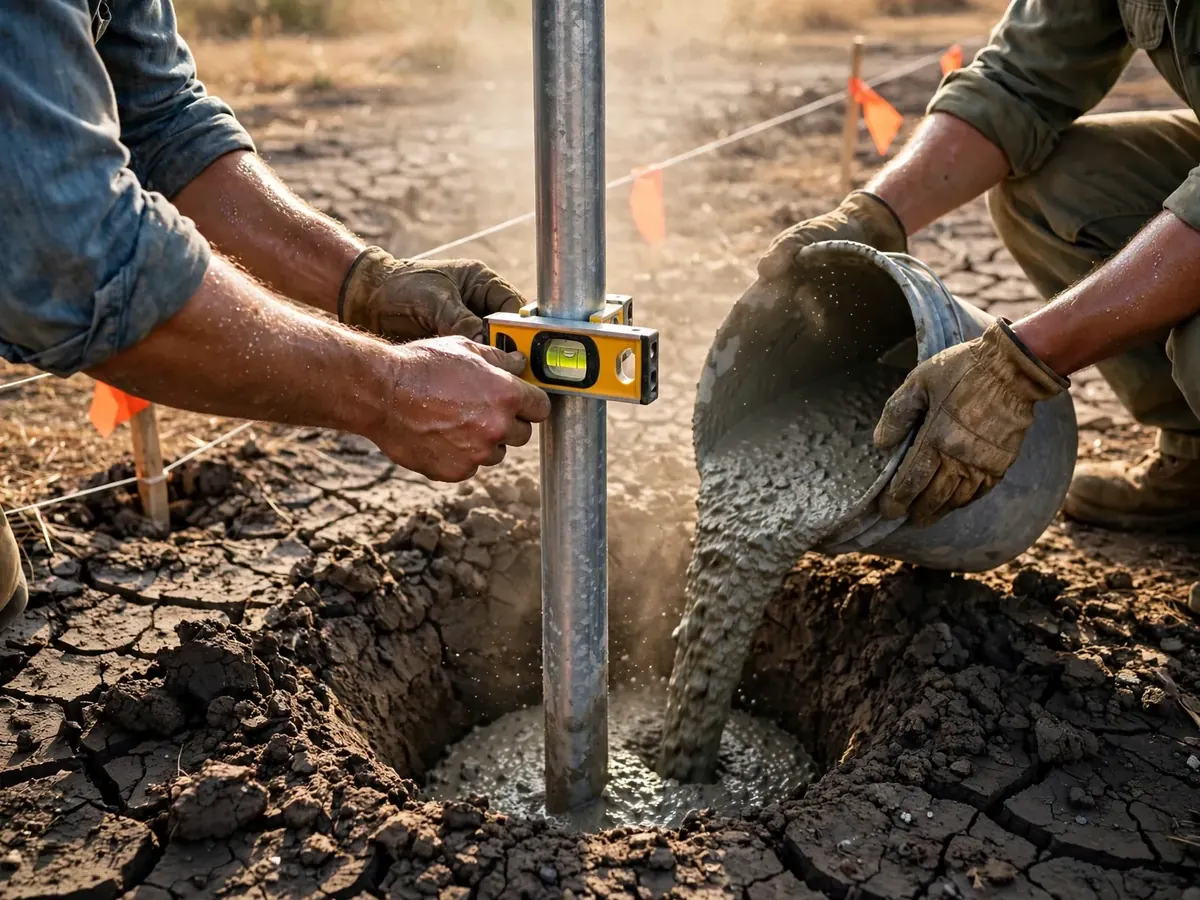
Push on the fence near each post. If it moves more at the base than at the top, the post is likely rotted at ground level. A post can often be replaced without removing the panels: the old post comes out, a new one goes in with concrete, and the rails are reattached.
Common Reasons Cedar Hill Homeowners Call
- Sections leaning or swaying
- Sagging between posts
- Storm or tree damage
- Broken or missing pickets
What to Have Ready
- Check whether pets can get out
- Note how many posts and feet of fence are affected
- Find your survey if posts must be moved
- Photograph damaged sections
Getting Fence Repair in Cedar Hill Started
Have the details from the checklist above ready, then call 877-753-1892. A fence repair pro serving Cedar Hill can tell you what the job involves, what affects the cost and whether anything needs attention right away.
877-753-1892Fence Questions From Cedar Hill Homeowners
Why does my fence keep leaning?
Rot at the base of wood posts and shifting clay soil are the usual causes. Deeper footings or steel posts fix it.
Is storm damage to my fence covered by insurance in Cedar Hill?
Many homeowner policies cover fences damaged by wind or falling trees. Check your policy and document the damage.
What should Cedar Hill homeowners know about fence projects?
Shrink-swell clay moves posts every season, so post depth, footing shape and steel posts matter more than picket style. Builder-installed fences in newer subdivisions often reach the end of their first life after 10 to 15 years.