
Fence Repair in Orange: Local Conditions
Southeast Texas was hit by Hurricane Rita in 2005, Hurricane Ike in 2008 and Hurricane Laura in 2020, and Harvey's flooding in 2017 was severe here. Heavy rainfall, humidity and termites make rot-resistant materials and good drainage at post bases important.
- Humidity keeps wood damp longer, so rot at the base of posts is the most common failure.
- Big trees drop limbs on fences in storms and push posts out of line with their roots.
Choosing Materials in Orange
Pressure-treated pine and cedar privacy fences, with galvanized hardware; aluminum and vinyl hold up well in the humid, salty air.
Rotted Post Replacement
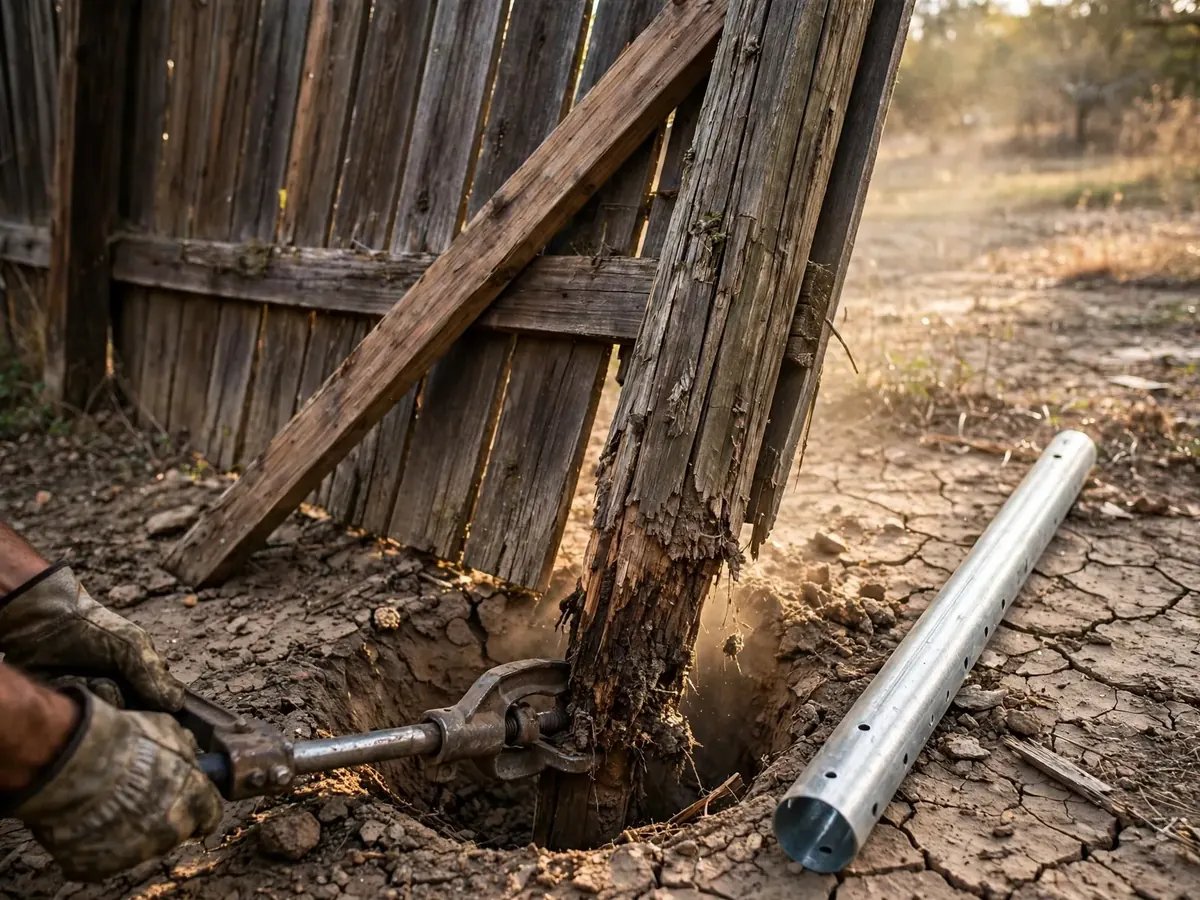
Dig a few inches around the base of a suspect post. Dark, soft wood that crumbles under a screwdriver means the post is done. Replacing it promptly keeps the rails and pickets on either side from cracking under the extra load.
Storm-Damaged Fences in Orange
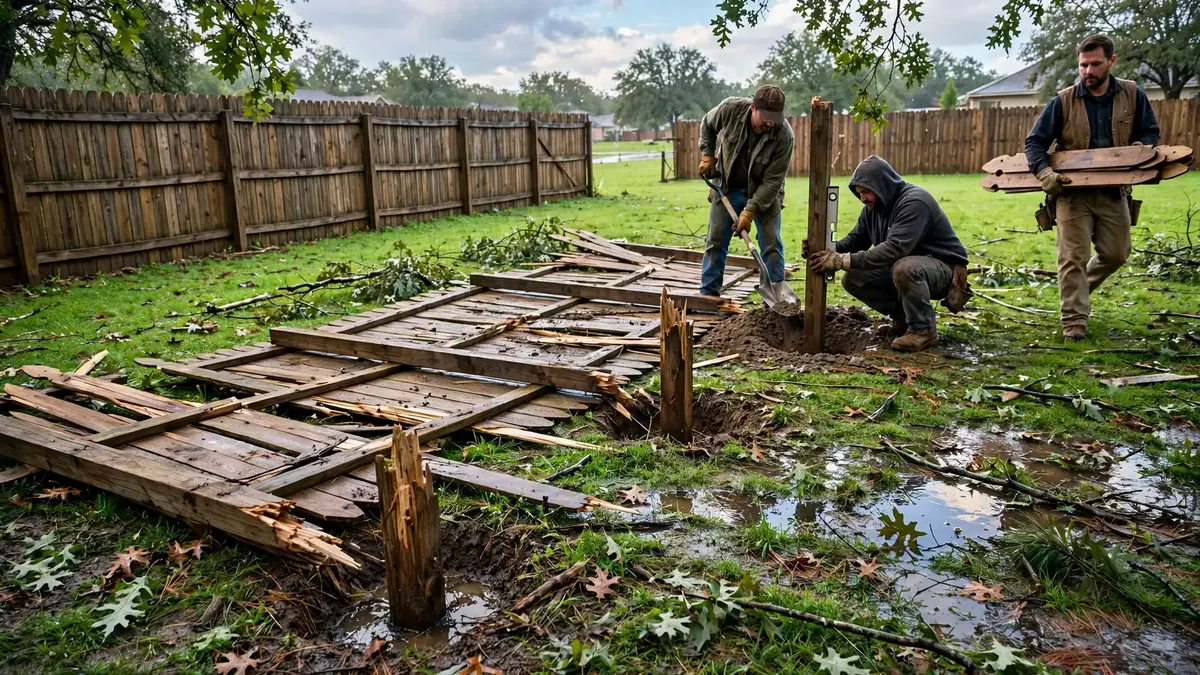
Take photos of storm damage before cleanup if you plan to file an insurance claim; many homeowner policies cover fences damaged by wind or falling trees. A fence repair pro can document what failed and why.
Leaning Fences and Shifting Posts
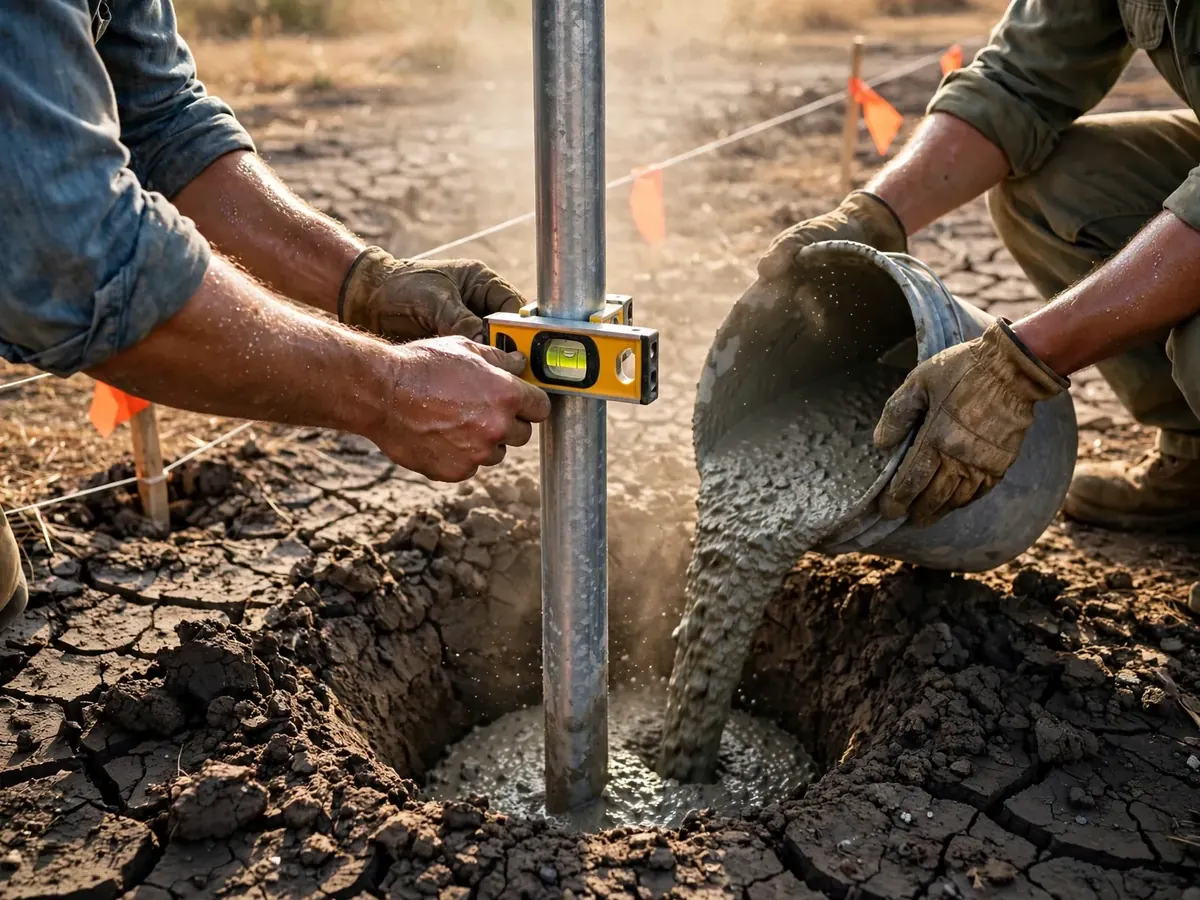
A leaning fence usually means one or more posts have rotted at the ground line or the soil has shifted. Pushing it back and bracing it only lasts until the next wet season. Resetting the post with a deeper footing, or replacing it with steel, fixes the cause.
Fence Damage From Trees and Roots
Big trees near a fence line are beautiful but hard on fences. Roots lift posts and footings, and storms drop limbs onto panels. A fence repair pro can reroute posts around roots and rebuild crushed sections.
Broken Pickets, Rails and Sagging Sections
Pickets crack and warp in dry heat, and rails split where they're nailed. If the posts are solid, replacing a few pickets or a rail is a small job. Matching weathered cedar is hard, but new wood blends in after a season, and a stain evens the look.
Repair or Replace?
The answer depends on the posts. If most are solid and only a few sections are damaged, repair makes sense. If half the posts are rotten, pickets are gray and brittle, and the fence leans everywhere, replacement usually costs less over time.
When to Pick Up the Phone
- Sections leaning or swaying
- Sagging between posts
- Storm or tree damage
- Broken or missing pickets
Before You Call
- Check whether pets can get out
- Note how many posts and feet of fence are affected
- Photograph damaged sections
- Find your survey if posts must be moved
Planning Fence Repair in Orange: What to Expect
Call 877-753-1892 and describe the project, your city and your timeline. You'll be pointed to a fence repair pro who works in Orange. Ask about scheduling, permits and how the job will be priced before work begins.
877-753-1892Fence Questions From Orange Homeowners
Is storm damage to my fence covered by insurance in Orange?
Many homeowner policies cover fences damaged by wind or falling trees. Check your policy and document the damage.
How do I know whether to repair or replace?
If most posts are sound, repair. If many posts are rotted and the wood is brittle, replacement is often the better value.
What should Orange homeowners know about fence projects?
Low ground that stays wet after storms speeds up rot at the base of wood posts. Salt air near the coast corrodes ordinary nails and steel, so stainless or hot-dip galvanized hardware is worth it.