
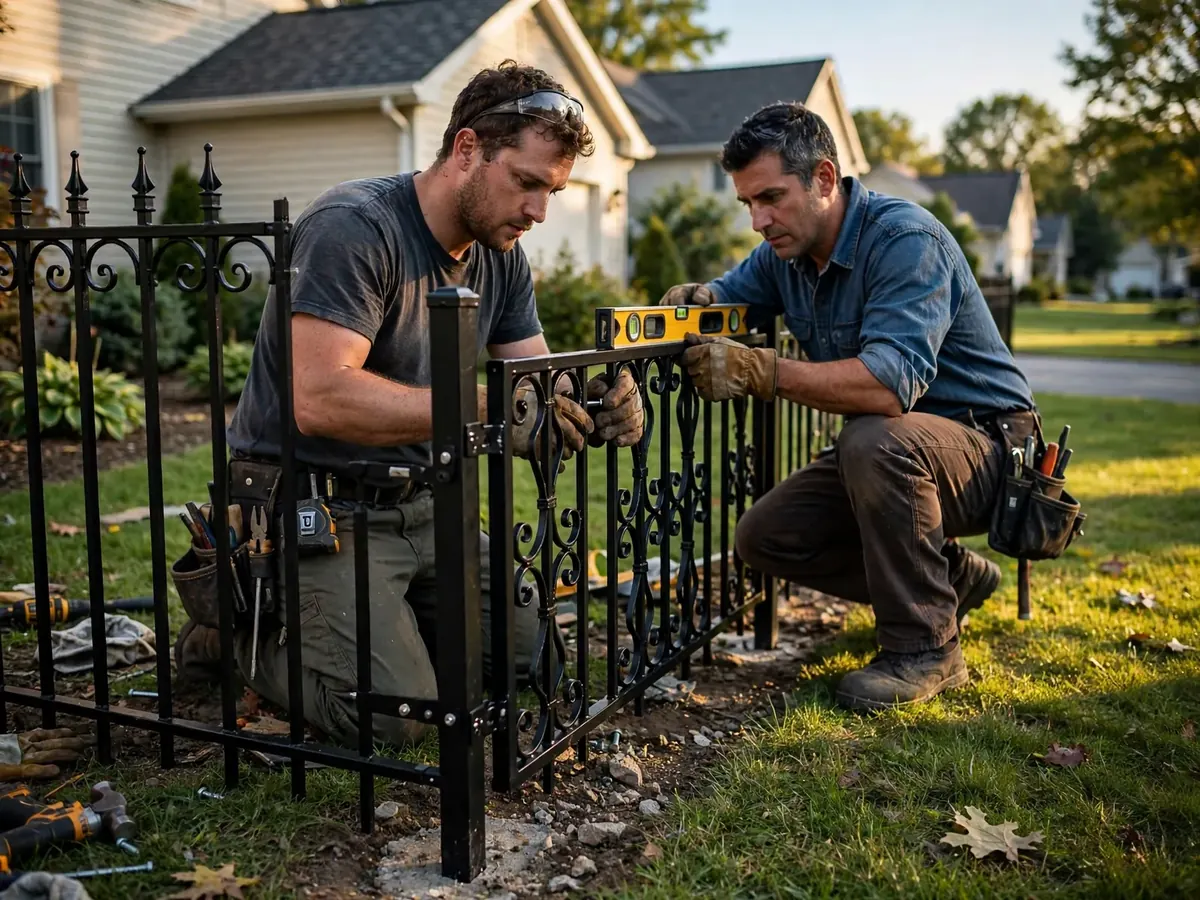
What to Know About Fence Installation in Bridge City
Southeast Texas was hit by Hurricane Rita in 2005, Hurricane Ike in 2008 and Hurricane Laura in 2020, and Harvey's flooding in 2017 was severe here. Heavy rainfall, humidity and termites make rot-resistant materials and good drainage at post bases important.
- Salt air near the coast corrodes ordinary nails and steel, so stainless or hot-dip galvanized hardware is worth it.
- Humidity keeps wood damp longer, so rot at the base of posts is the most common failure.
What Holds Up Around Bridge City
Pressure-treated pine and cedar privacy fences, with galvanized hardware; aluminum and vinyl hold up well in the humid, salty air.
Vinyl and Composite Fences in Texas Heat
If you choose vinyl or composite, ask how the panels handle thermal expansion and wind. Posts and rail connections are designed differently from wood fences, and the installation instructions matter for any manufacturer coverage.
Steel Posts vs. Wood Posts
Most fence failures in Texas start at the posts, not the pickets. Wood posts rot at ground level, especially in wet clay, and termites go after them. Galvanized steel posts set in concrete, with wood rails and pickets attached by brackets, are now the common upgrade and usually outlast the wood they hold up.
Wrought Iron and Aluminum Fences
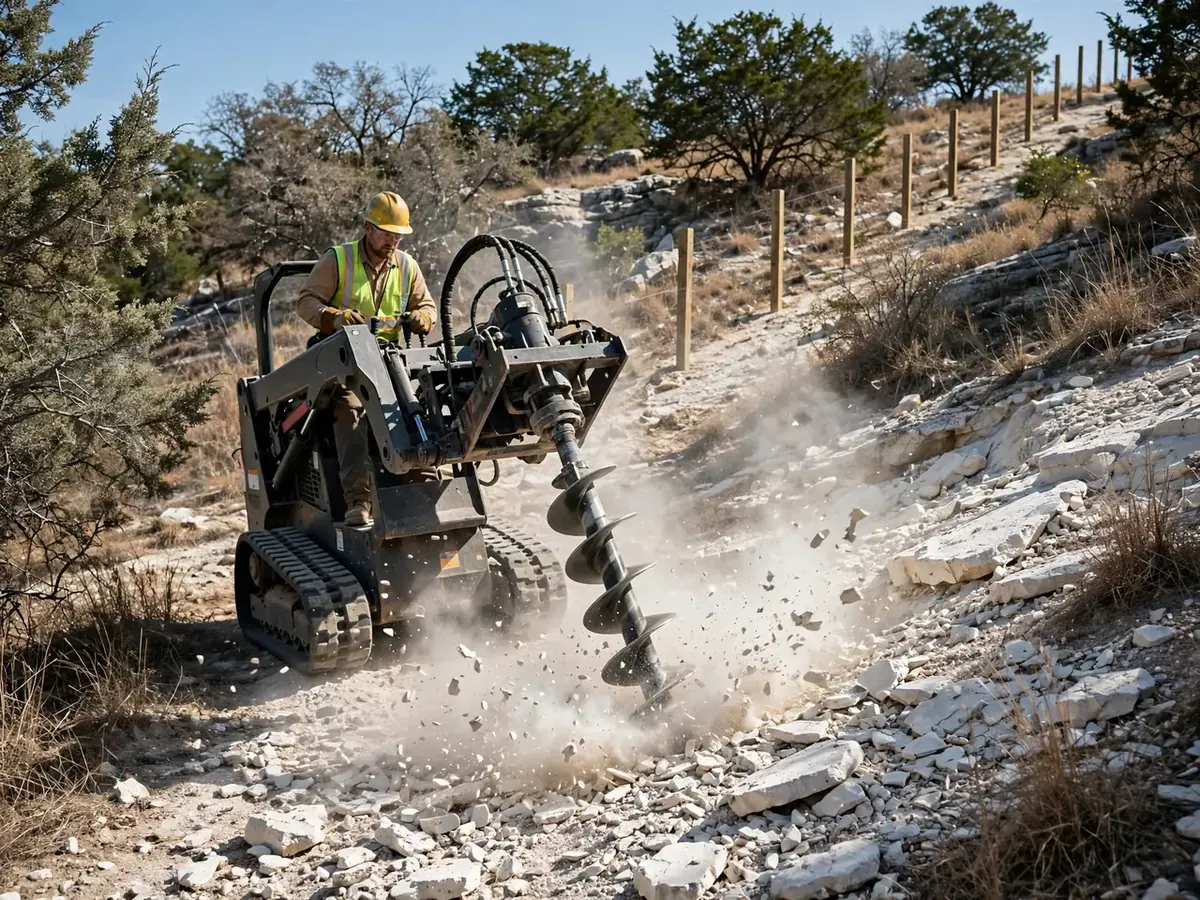
Iron and aluminum fences go up as panels between posts set in concrete. On sloped lots, panels are either racked to follow the grade or stepped. Ask which the builder recommends for your yard.
Building a Fence That Stands Up to Wind
A 6-foot solid fence acts like a sail in a storm. In windy parts of Texas, closer post spacing, deeper footings, steel posts and three rails instead of two help it ride out gusts. Shadowbox or gapped designs let some wind pass through.
Cedar Privacy Fences in Bridge City
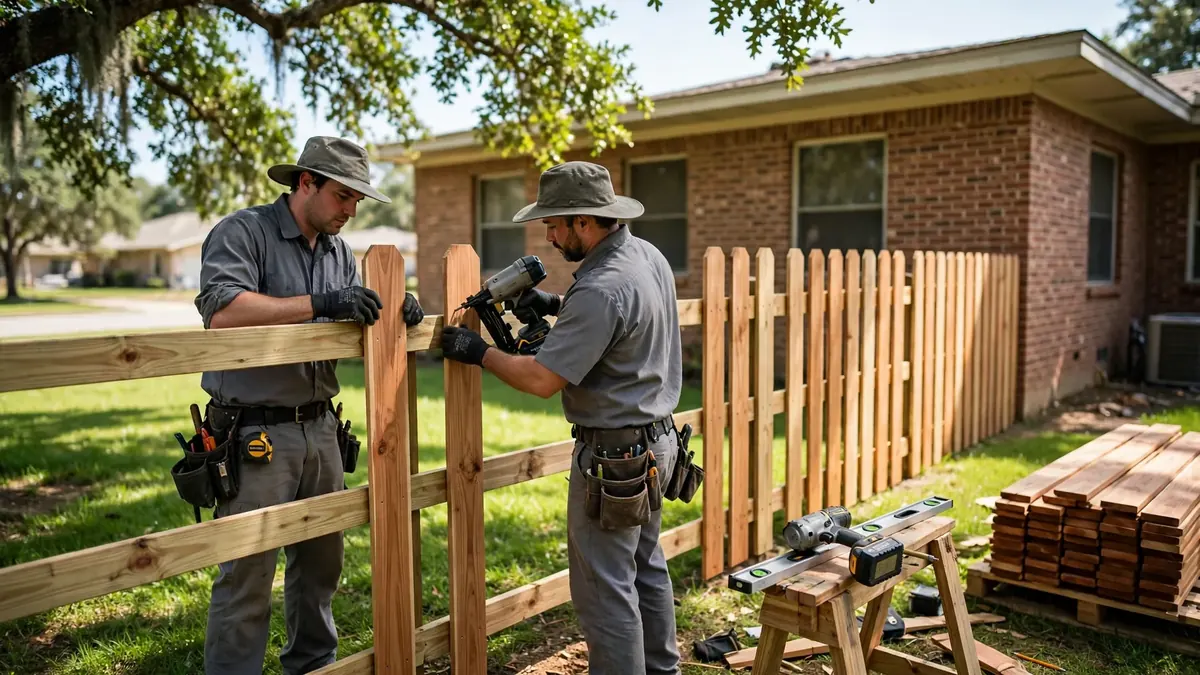
Six-foot cedar privacy fences are the standard backyard choice around Bridge City. Cedar's natural oils slow rot and insects, it moves less than pine in the heat, and it takes a semi-transparent stain well. Western red cedar costs more than the more common Texas or Japanese cedar but holds its shape better; ask which species you're getting.
More Fence Questions Around Bridge City
Setting Posts in Shifting Clay Soil
Expansive clay swells and shrinks with moisture, slowly pushing posts out of plumb unless they're set deep.
Ranch, Pipe and Wire Fencing on Acreage
Acreages use pipe, pipe-and-cable, barbed wire or no-climb wire depending on livestock, pets and budget.
Board-on-Board and Shadowbox Styles
Overlapping board-on-board pickets close gaps as wood shrinks; shadowbox alternates sides so both neighbors see a finished face.
When to Pick Up the Phone
- Neighbors replacing a shared fence
- Moving onto acreage that needs livestock fencing
- HOA requires an approved style
- Planning a pool, a dog or new privacy
Before You Call
- Call 811 to have utility lines marked before digging
- Measure the rough length of fence needed
- Check HOA fence guidelines and stain colors
- Mark gates and where you need access for mowers or vehicles
- Find your survey or plat showing property lines
Planning Fence Installation in Bridge City: What to Expect
Have the details from the checklist above ready, then call 877-753-1892. A fence builder serving Bridge City can tell you what the job involves, what affects the cost and whether anything needs attention right away.
877-753-1892Fence Questions From Bridge City Homeowners
Are steel posts worth it?
In most of Texas, yes. Galvanized steel posts don't rot or attract termites and resist movement in clay soil better than wood posts.
What fence material is best near the coast?
Aluminum, vinyl and cedar with stainless or galvanized fasteners hold up best in salt air and humidity.
What should Bridge City homeowners know about fence projects?
Low ground that stays wet after storms speeds up rot at the base of wood posts. Termites go after wood posts in the ground, another reason steel posts are popular.