
Fence Installation in Coppell: Local Conditions
Coppell is a Dallas County suburb next to DFW Airport. Older neighborhoods here mix 1950s–1970s ranch homes with alley-access lots, where the back fence often runs along a shared alley.
Its neighborhoods are mostly HOA communities with mature trees. City codes in Coppell may set limits that affect your design. Compared with Sunnyvale, where larger acreage lots is the bigger factor, Coppell projects are shaped more by estate-size lots.
- HOA guidelines often set fence height, style, stain color and which side faces out.
- Larger lots and estate homes often pair cedar privacy fencing with ornamental iron and masonry columns.
Materials That Suit Coppell
Board-on-board cedar on steel posts is the default backyard fence here; ornamental iron or aluminum shows up in front yards and around pools, and masonry columns are common in newer subdivisions. Occasional hard freezes in Coppell are a reason to make sure water can drain away from footings.
Cedar Privacy Fences in Coppell
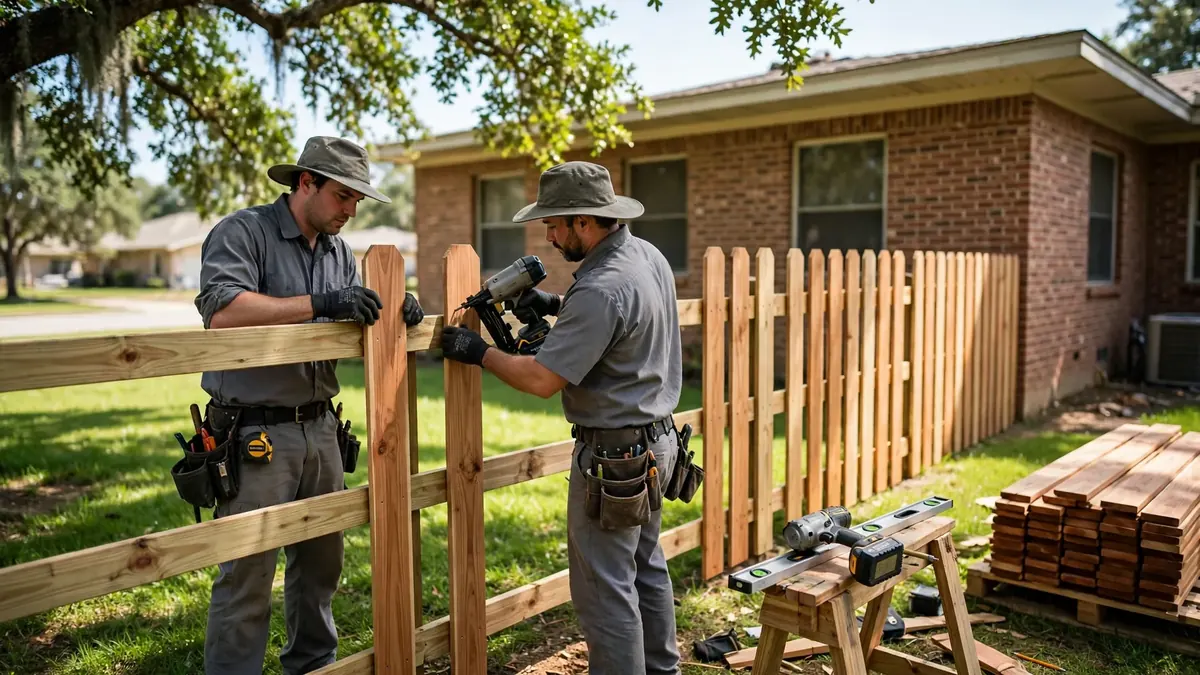
Cedar is popular for good reasons: it's lighter than pine, resists insects and rot, and weathers to a silver gray if you don't stain it. A kickboard, a horizontal board along the bottom, keeps pickets off the soil and is easy to replace when it eventually wears.
A top cap and trim board add a finished look and also shed rain off the end grain of the pickets, which is where cedar takes on water first. Most Coppell HOAs publish guidelines that settle style questions before you start.
If you're weighing it up: A fence on steel posts, kept stained, often outlives two fences built on wood posts.
Wrought Iron and Aluminum Fences
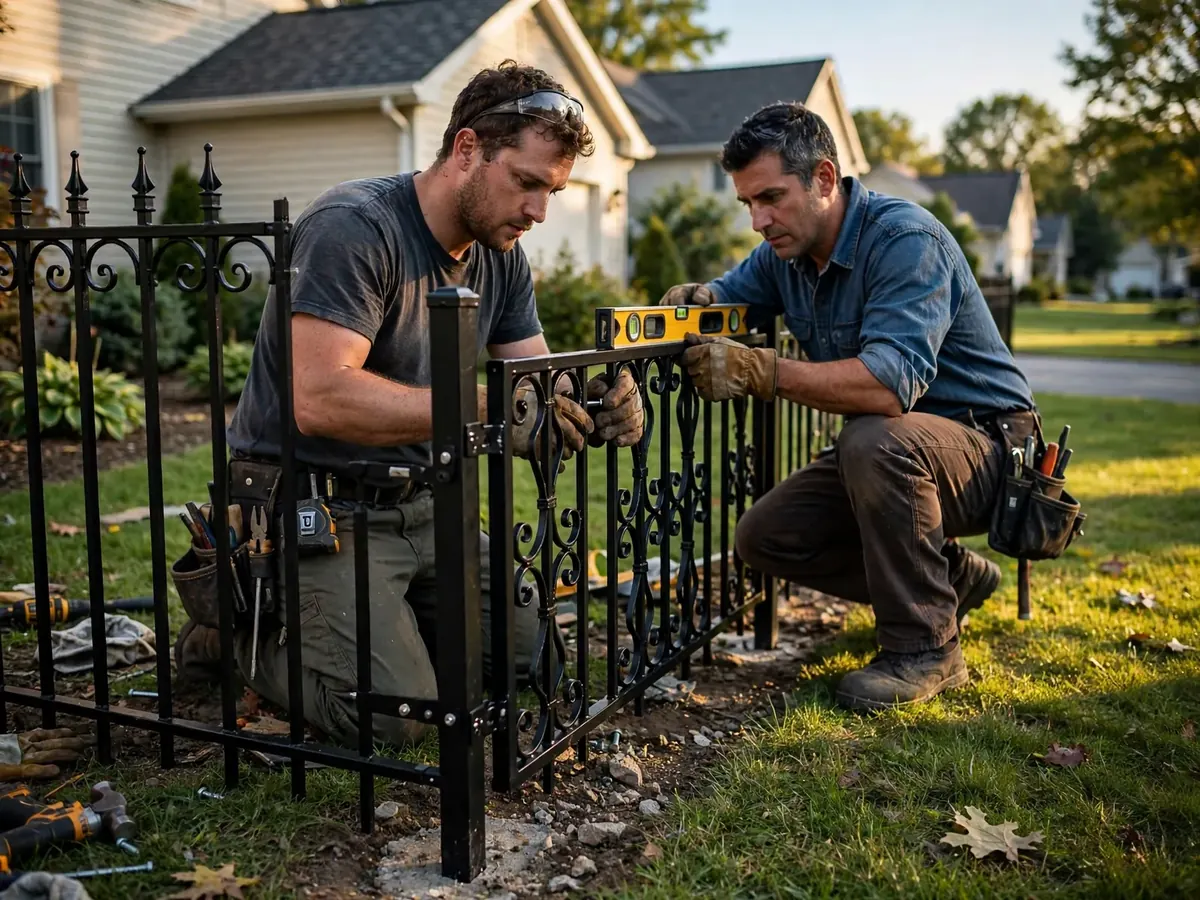
Ornamental panels are typically sold in 6- or 8-foot sections, so the layout is planned around those widths. Iron and aluminum fences go up as panels between posts set in concrete.
Powder coating is baked onto the metal, which makes it far tougher than paint brushed on site; scratches should still be touched up so rust can't creep underneath. On larger Coppell properties, the fence is part of the home's curb appeal, so design and materials get more attention.
HOA Rules, Permits and Property Lines
If you're replacing a shared fence, talk with the neighbor first about style, cost and which side faces whom. A survey or plat shows where the line is.
A short email to your HOA before choosing materials can save a rejected application.
If you're weighing it up: DIY makes the most sense for short runs and simple designs.
Board-on-Board and Shadowbox Styles
Check your HOA's fence guidelines before choosing a style; they often list the approved stain color too. Standard side-by-side pickets shrink in Texas heat and open small gaps.
On windy lots, shadowbox gives a little relief to the posts while still blocking most views. Open exposure in Coppell means the fence should be built for gusts.
Pet and Pool Fencing
For dogs, the gap at the bottom of the fence matters as much as the height. Ornamental aluminum panels are a common choice because they're designed around those rules.
Walking the fence line with your dog's habits in mind, such as favorite digging spots, helps plan reinforcements.
Worth knowing before you call: Good fence builders explain how they'll set posts and handle your soil without being asked; vague answers are a warning sign.
Steel Posts vs. Wood Posts
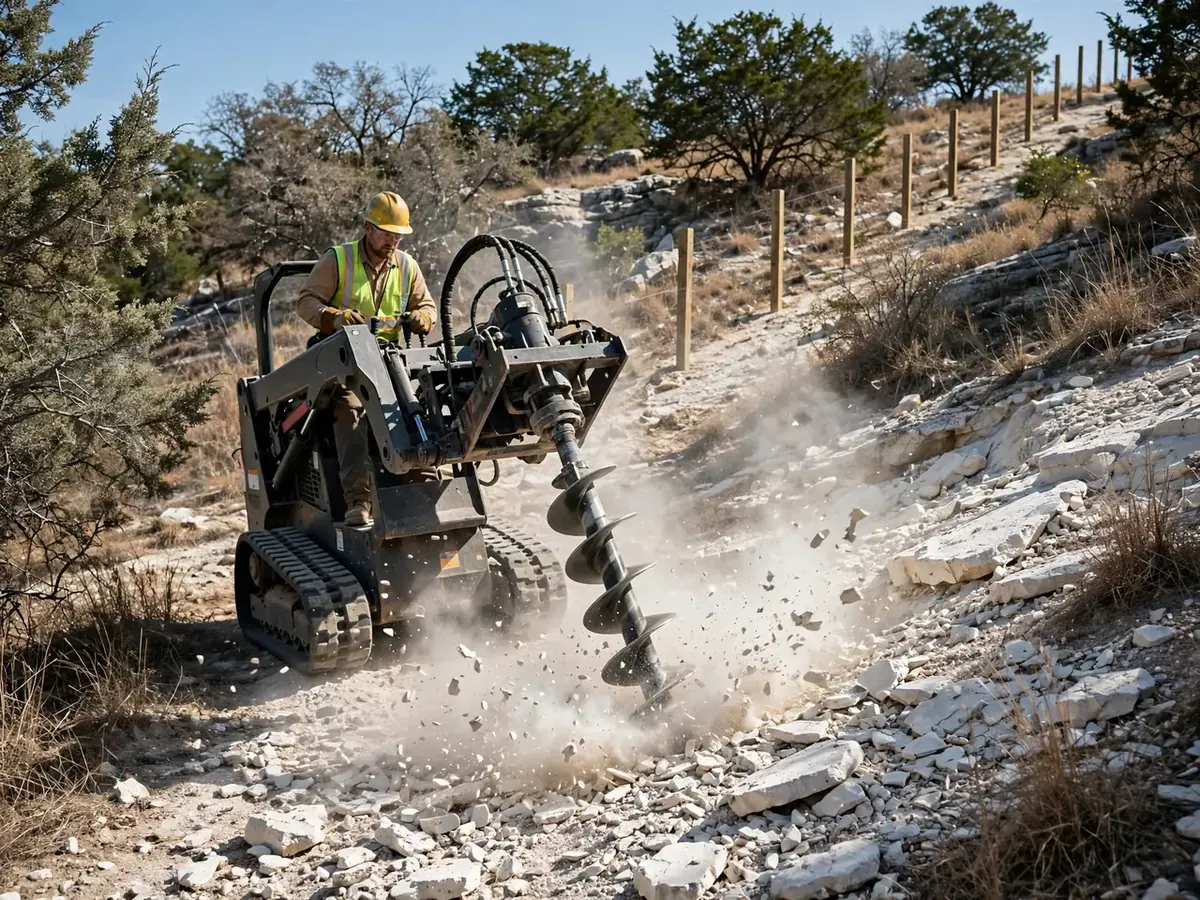
Concrete around a post should be crowned so rain sheds away instead of pooling against the post. Ask how deep the posts will go and how much concrete each one gets.
Over a fence's life, the cost difference between wood and steel posts is often smaller than the cost of replacing failed wood posts once. Coppell's clay is the reason so many local fences lean; building deeper avoids joining them.
Other Fence Situations in Coppell
Building a Fence That Stands Up to Wind
If neighboring fences have blown over, ask your builder what they'll do differently on yours.
Horizontal and Modern Fence Designs
Because the boards span between posts, a 6-foot post spacing is common for horizontal fences instead of the usual 8 feet.
Setting Posts in Shifting Clay Soil
Fences on clay that are watered evenly through droughts tend to move less than those left to dry out.
Common Reasons Coppell Homeowners Call
These are the moments that push Coppell homeowners to pick up the phone:
- Old fence leaning or sagging
- Planning a pool, a dog or new privacy
- Neighbors replacing a shared fence
Quick Checks Before the Call
- Find your survey or plat showing property lines
- Measure the rough length of fence needed
- Check HOA fence guidelines and stain colors
- Mention any leaning or settling you've seen nearby
- Check whether old footings or posts will need to be removed
Getting Fence Installation in Coppell Started
Ready to talk it through? Dial 877-753-1892, mention you're in Coppell, and share photos if you have them. You'll hear what the job involves before anything is scheduled. Call now to schedule your fence work in Coppell.
877-753-1892Fence Questions From Coppell Homeowners
Are steel posts worth it?
For most Texas yards, yes. Galvanized steel doesn't rot, termites ignore it and it resists the soil movement that pushes wood posts out of line. For a Coppell home, it's worth confirming this before work starts.
Is a new fence in Coppell worth the cost?
Sticker shock is common, but the biggest savings usually come from choosing the right height and post type, not the cheapest pickets. A cheaper fence that needs new posts in a few years can cost more in the end than a sturdier one built once.
What should Coppell homeowners know about fence projects?
Hail storms are common enough in Coppell that many owners plan for occasional repairs. Much of Dallas County sits on Blackland Prairie clay that swells when wet and shrinks in drought, which slowly pushes fence posts and deck footings out of line. Compared with Hutchins, where larger acreage lots is the bigger factor, Coppell projects are shaped more by estate-size lots.