
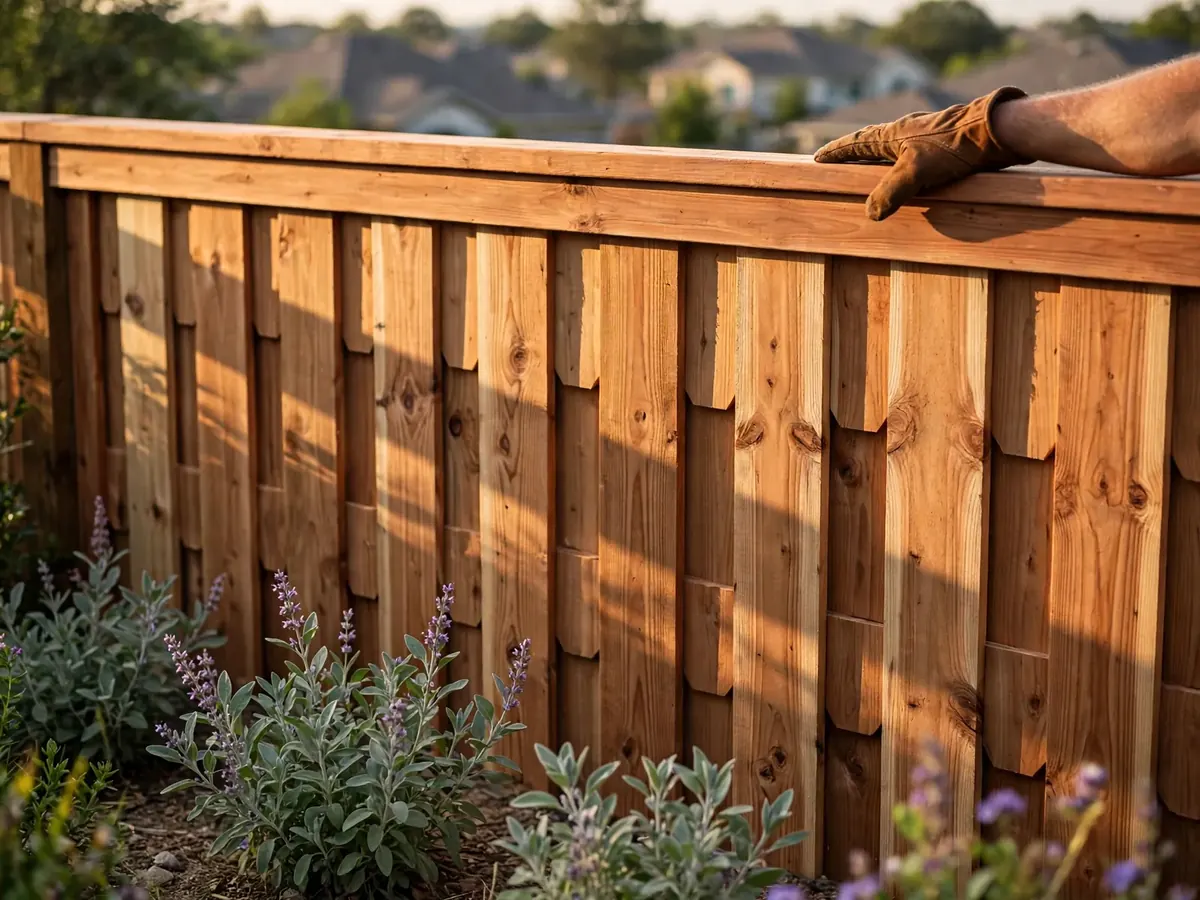
What to Know About Fence Installation in Mabank
Mabank sits on the Kaufman and Henderson county line at the north end of Cedar Creek Lake. Black clay soils here are especially prone to shrinking and swelling, which makes post depth and concrete footings matter more.
Lakefront and rural properties often need fences and docks that handle wind off the water. Hail storms are common enough in Mabank that many owners plan for occasional repairs. Like Maypearl in the same region, Mabank has to plan around shifting clay.
- The fences that came with newer homes were often built quickly and are now leaning or graying.
- Strong winds push on solid privacy fences, so closer post spacing and steel posts help them stay upright.
Choosing Materials in Mabank
Inside town limits, cedar privacy fencing is the norm; out on acreage it's pipe, wire or pipe-and-cable, and steel posts earn their keep in the clay. In windy Mabank, designs that let some air through can last longer.
Board-on-Board and Shadowbox Styles
Board-on-board overlaps each picket so there's no see-through even after the wood dries out. Many HOAs around Mabank specify board-on-board with a top cap and require the finished side to face the street or the neighbor.
On windy lots, shadowbox gives a little relief to the posts while still blocking most views. Many Mabank homes are on their first fence, and builder-grade materials show their age quickly.
Concerned about timing? Most of the wait is scheduling and approvals; once a crew starts, many residential fence projects take only a few days.
Building a Fence That Stands Up to Wind
Ask the builder how they design for wind and whether steel posts are an option. A 6-foot solid fence acts like a sail in a storm.
Closer post spacing, deeper footings and steel posts each reduce how much any single post has to resist in a gust. Mabank's wind is a design factor, not just weather; plan for it from the start.
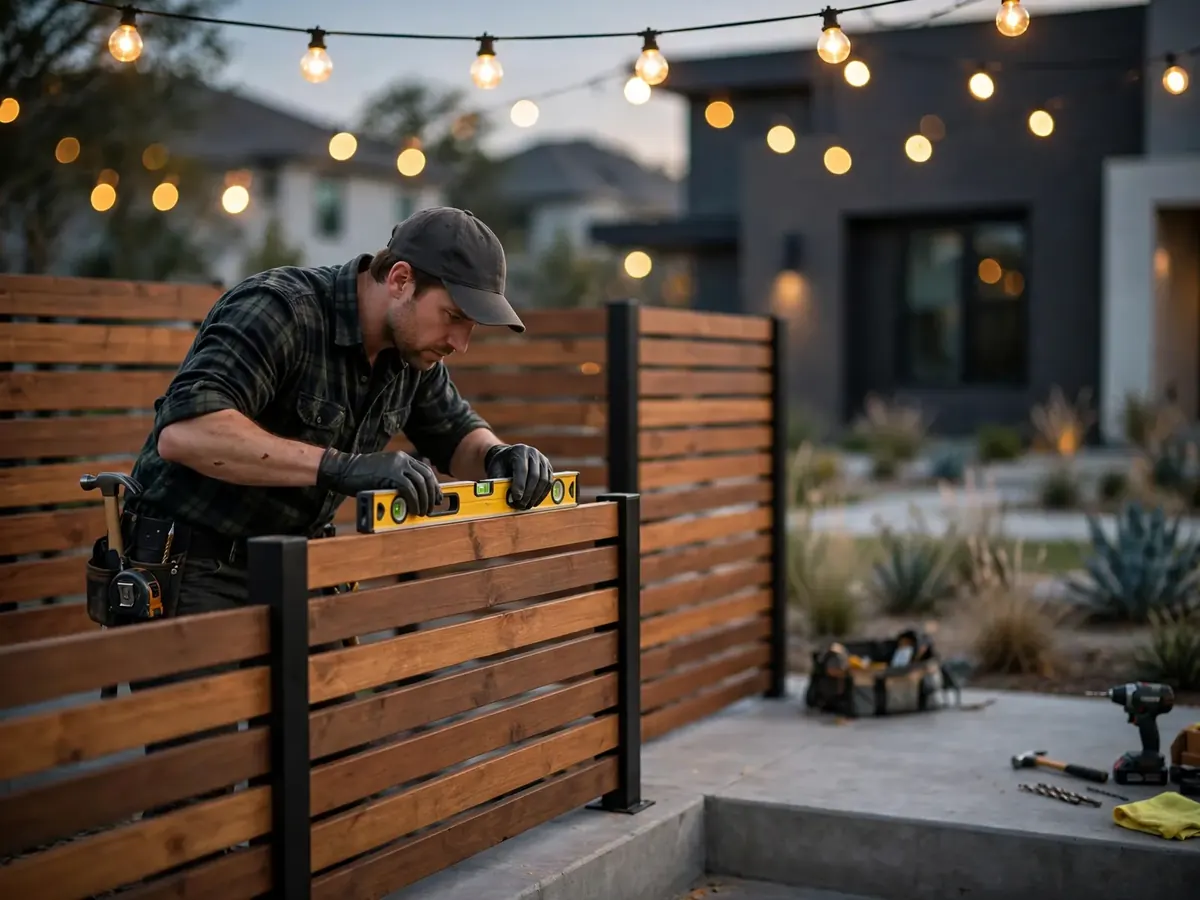
Cedar Privacy Fences in Mabank
Six-foot cedar privacy fences are the standard backyard choice around Mabank. On a typical Mabank lot the main decisions are picket style, rail count and whether to add a top cap and trim board for a finished look.
Rot starts where wood stays wet longest, so a small gap between the pickets and the soil does more for lifespan than any single product. Because much of Mabank sits on shrink-swell clay, the details below the ground matter more here than in sandy or rocky areas.
One practical point: Setting a long line of posts straight and plumb takes practice; many DIY fences wander and lean within a few years.
Ranch, Pipe and Wire Fencing on Acreage
Pipe fencing is strong and long-lasting and is often welded on site. Horses do best with pipe or no-climb wire; cattle with barbed wire or pipe-and-cable; goats with tight field fence; and deer with tall game fencing.
Long fences are built in stages: corners and braces first, then line posts, then wire or rails. Rural Mabank properties often need longer runs and sturdier gates than suburban lots.
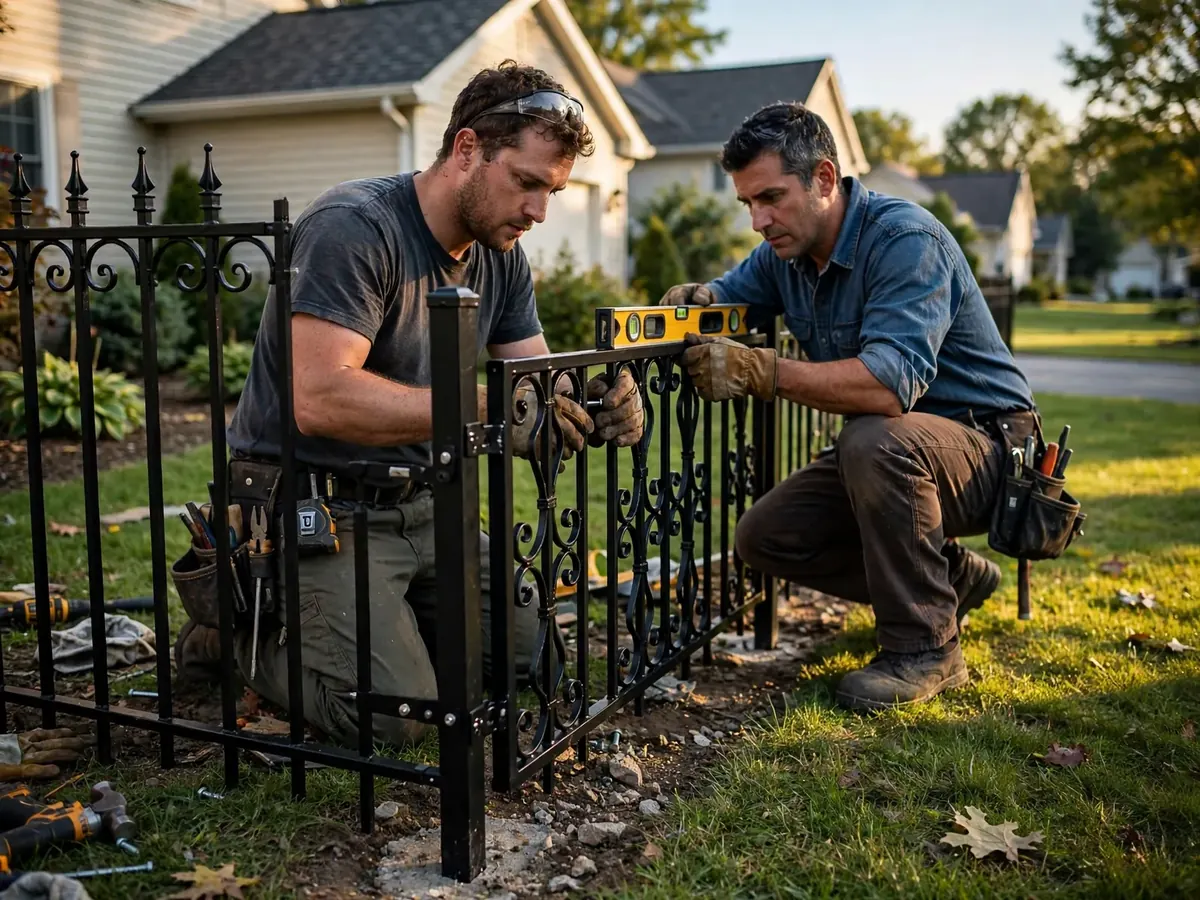
Steel Posts vs. Wood Posts
In shifting soil and high wind, depth matters as much as the post material. If you want the look of wood all the way down, steel posts can be wrapped or hidden behind the pickets.
Steel posts can be painted to match the stain or hidden behind a wood wrap if you don't want them to show.
Before you decide: Ask who handles permits, utility locates and HOA paperwork so nothing falls through the cracks.
More Fence Questions Around Mabank
HOA Rules, Permits and Property Lines
Knowing your property line before talking to neighbors makes those conversations easier.
Horizontal and Modern Fence Designs
Horizontal fences highlight any unevenness in the ground, so grading before building helps.
Pet and Pool Fencing
Walking the fence line with your dog's habits in mind, such as favorite digging spots, helps plan reinforcements.
Common Reasons Mabank Homeowners Call
Around Mabank, a call usually follows one of these:
- Planning a pool, a dog or new privacy
- Moving onto acreage that needs livestock fencing
- Old fence leaning or sagging
Before You Call
- Measure the rough length of fence needed
- Check HOA fence guidelines and stain colors
- Call 811 to have utility lines marked before digging
- Mention any leaning or settling you've seen nearby
- Walk the property line or gate location and note slopes, creeks and rock outcrops
Getting Fence Installation in Mabank Started
Give 877-753-1892 a call with your Mabank address area and a rough idea of the scope. A fence builder can explain what the work involves and what to expect next. Call today to ask your questions or book your fence project.
877-753-1892Fence Questions From Mabank Homeowners
Do I need a permit for a fence in Mabank?
There's no statewide fence permit in Texas. Cities, however, regulate height, front-yard fences and masonry walls, and HOAs often require approval, so check both before you build. Your fence builder can tell you what applies on your specific Mabank property.
What if my neighbor shares the fence?
If the fence is on the property line, talk to your neighbor before work starts about access and debris. If a neighbor wants to split the cost, get the agreement in writing, even an email, before the old fence comes down.
What should Mabank homeowners know about fence projects?
Freeze events in Mabank can crack concrete that holds water, so drainage helps. South and east of Dallas, subdivisions give way quickly to acreages and small farms, so a single town can need both a backyard privacy fence and a pasture fence.