
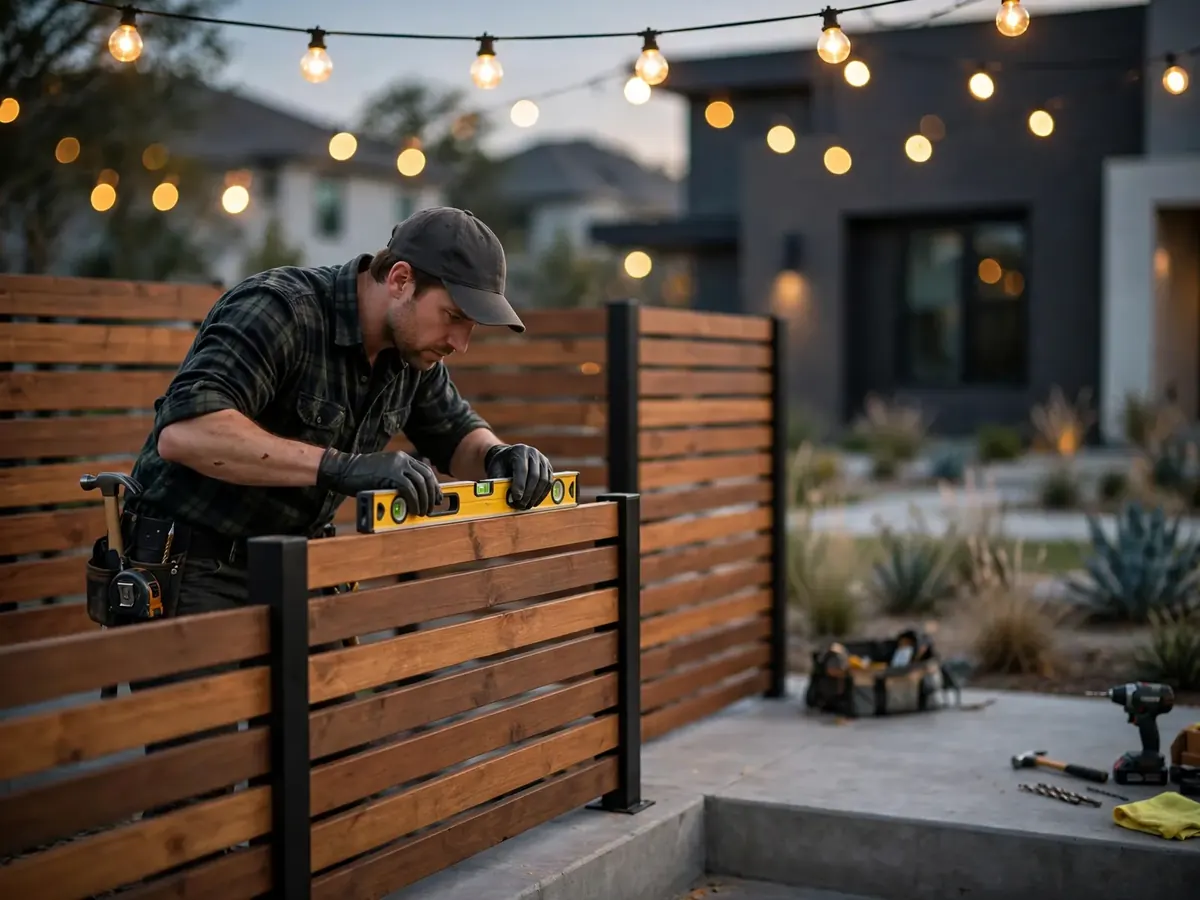
Local Conditions That Shape Fence Installation in San Elizario
Block and masonry walls are far more common here than in the rest of Texas, often topped with wrought iron. El Paso gets under 10 inches of rain a year, and intense sun and wind are harder on wood than rain is.
- Strong winds push on solid privacy fences, so closer post spacing and steel posts help them stay upright.
- Intense sun dries and grays unprotected wood quickly, so staining every few years pays off.
Choosing Materials in San Elizario
Concrete block walls, wrought iron and steel fencing are the norm; wood fences need UV-resistant stain to last in the desert sun.
Ranch, Pipe and Wire Fencing on Acreage
For larger properties, a fence builder will walk the line, mark corners and gates, and plan around creeks, slopes and rock before quoting. Having a survey or plat helps avoid building on the wrong side of a property line.
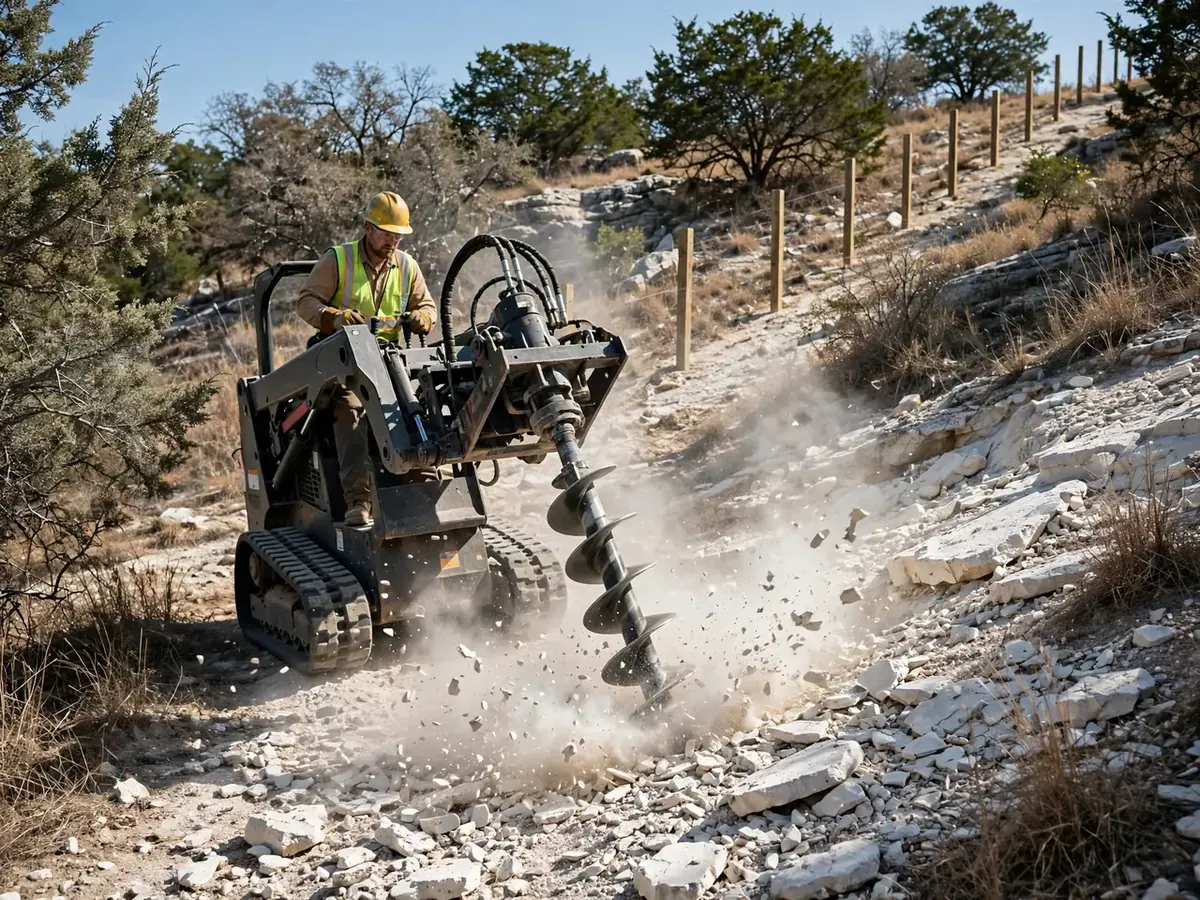
Drilling Posts Into Limestone and Caliche
Caliche can be as hard as concrete. Where it's shallow, some crews core through it; where it's deep, they may set posts in the caliche layer itself with less concrete. Either way, it's worth asking how they plan to handle it before work starts.
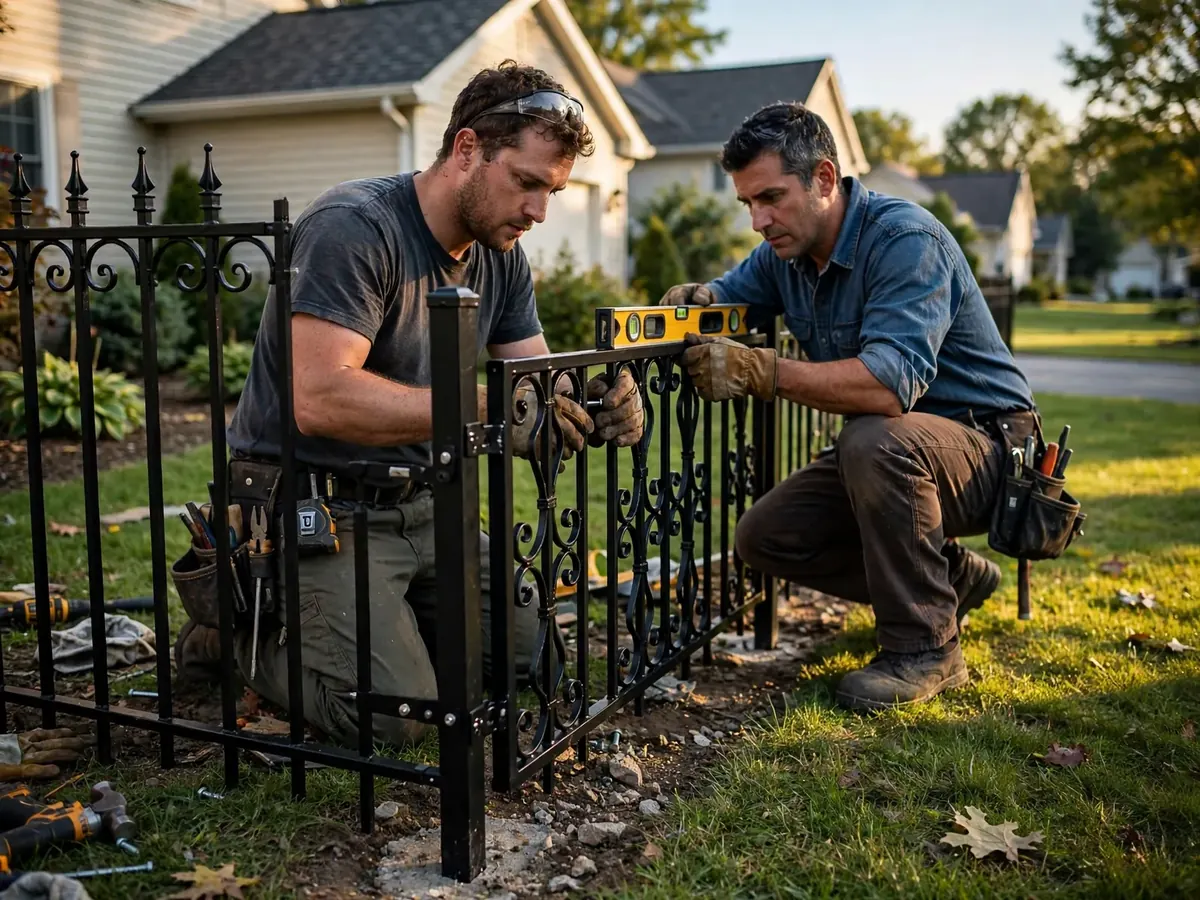
Vinyl and Composite Fences in Texas Heat
Composite and vinyl fences cost more up front than cedar but skip the staining every few years. Around San Elizario, they make the most sense where moisture, termites or salt air are hard on wood.
Building a Fence That Stands Up to Wind
If fences in your part of San Elizario tend to blow over in storms, the fix is in the structure: posts, footings and rails. Ask the builder how they design for wind and whether steel posts are an option.
Steel Posts vs. Wood Posts
If you want the look of wood all the way down, steel posts can be wrapped or hidden behind the pickets. In San Elizario, where the ground and the weather work against posts, steel is worth the added cost over the life of the fence.
More Fence Questions Around San Elizario
Board-on-Board and Shadowbox Styles
Overlapping board-on-board pickets close gaps as wood shrinks; shadowbox alternates sides so both neighbors see a finished face.
Cedar Privacy Fences in San Elizario
Cedar is the most common privacy fence in Texas because it resists rot and insects better than pine and takes stain well.
HOA Rules, Permits and Property Lines
Cities set height and front-yard rules, HOAs add style and color rules, and a survey prevents building on the wrong side of the line.
Common Reasons San Elizario Homeowners Call
- Planning a pool, a dog or new privacy
- HOA requires an approved style
- Moving onto acreage that needs livestock fencing
- Old fence leaning or sagging
What to Have Ready
- Measure the rough length of fence needed
- Check HOA fence guidelines and stain colors
- Find your survey or plat showing property lines
- Mark gates and where you need access for mowers or vehicles
- Call 811 to have utility lines marked before digging
Fence Installation in San Elizario: Talk to a Local Fence Builder
Call 877-753-1892 and describe the project, your city and your timeline. You'll be pointed to a fence builder who works in San Elizario. Ask about scheduling, permits and how the job will be priced before work begins.
877-753-1892Fence Questions From San Elizario Homeowners
Are steel posts worth it?
In most of Texas, yes. Galvanized steel posts don't rot or attract termites and resist movement in clay soil better than wood posts.
How long does a cedar fence last in San Elizario?
A well-built cedar fence often lasts many years, longer with steel posts and regular staining. Wood posts and unstained pickets in wet or shifting soil wear out sooner.
What should San Elizario homeowners know about fence projects?
Hard caliche layers make post holes slow to dig and can trap water around wood posts. Acreages around town need fences sized for pets, horses or livestock rather than just privacy.