
Local Conditions That Shape Fence Installation in Waxahachie
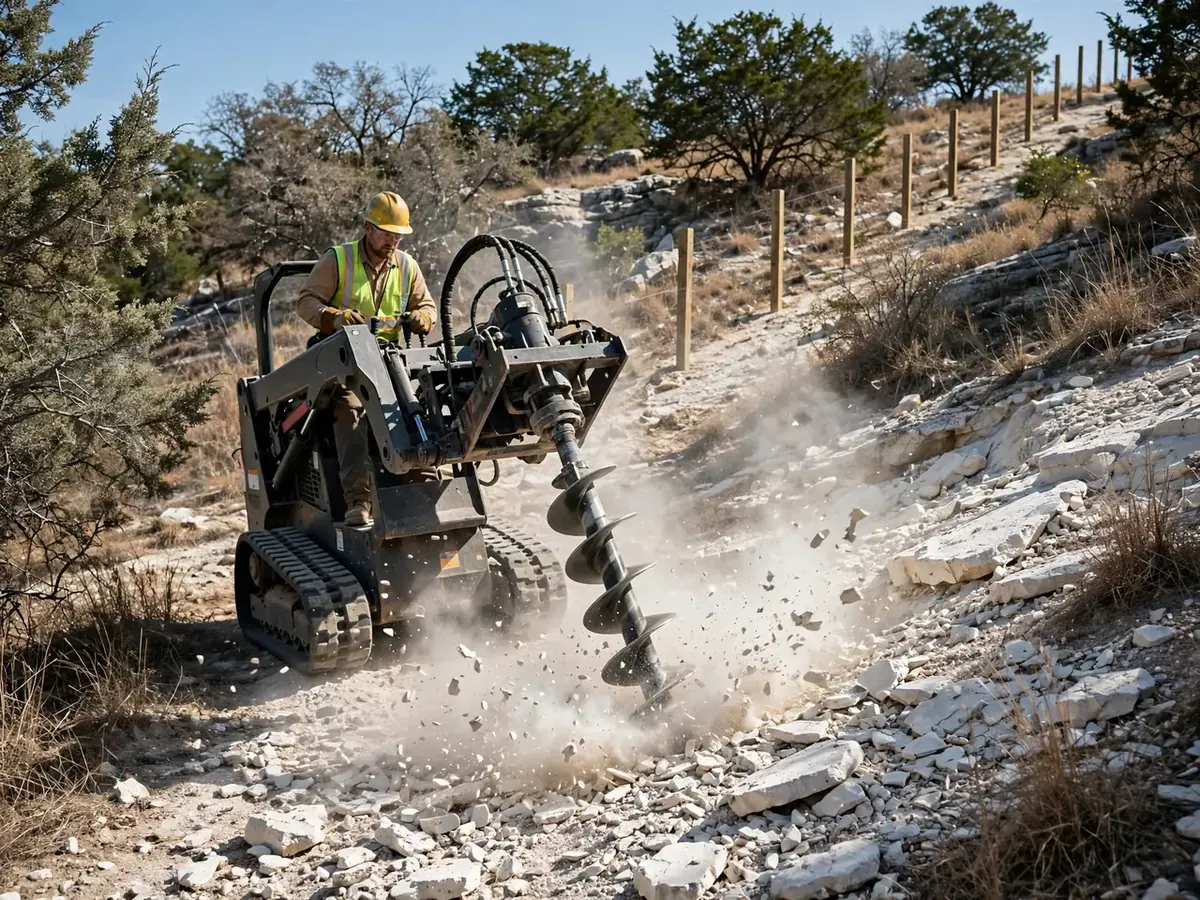
Historic homes in town and new subdivisions outside it both sit on shifting Blackland clay. Black clay soils here are especially prone to shrinking and swelling, which makes post depth and concrete footings matter more.
Waxahachie is the Ellis County seat, famous for its ornate courthouse and Victorian gingerbread houses. Open exposure in Waxahachie means the fence should be built for gusts. Like Midlothian in the same region, Waxahachie has to plan around shifting clay.
- The fences that came with newer homes were often built quickly and are now leaning or graying.
- A privacy fence facing open ground takes the full force of the wind, so stronger posts are a sensible upgrade.
What Holds Up Around Waxahachie
Cedar privacy fences in town, with pipe, wire and pipe-and-cable fencing on acreages; steel posts help in the shifting clay. Occasional hard freezes in Waxahachie are a reason to make sure water can drain away from footings.
Ranch, Pipe and Wire Fencing on Acreage
Wire fences cost less per foot but need well-built H-braces at corners and gates to stay tight. Ask the fence builder how they'll handle long runs and changes in grade.
A wire fence works like a guitar string: it stays tight only if both ends are anchored solidly, which is why braced corners matter more than anything in between. On acreage around Waxahachie, the fence has to suit animals, equipment and long distances.
A question many homeowners raise: If you DIY, consider hiring out just the posts and footings, which is where experience matters most.
Cedar Privacy Fences in Waxahachie
Six-foot cedar privacy fences are the standard backyard choice around Waxahachie. Pre-stained or kiln-dried cedar can be stained sooner after installation than green lumber, which needs time to dry first.
If you're comparing estimates, check whether both quote the same picket thickness and rail count; those two details explain many price differences. Many Waxahachie homes are on their first fence, and builder-grade materials show their age quickly.
Board-on-Board and Shadowbox Styles
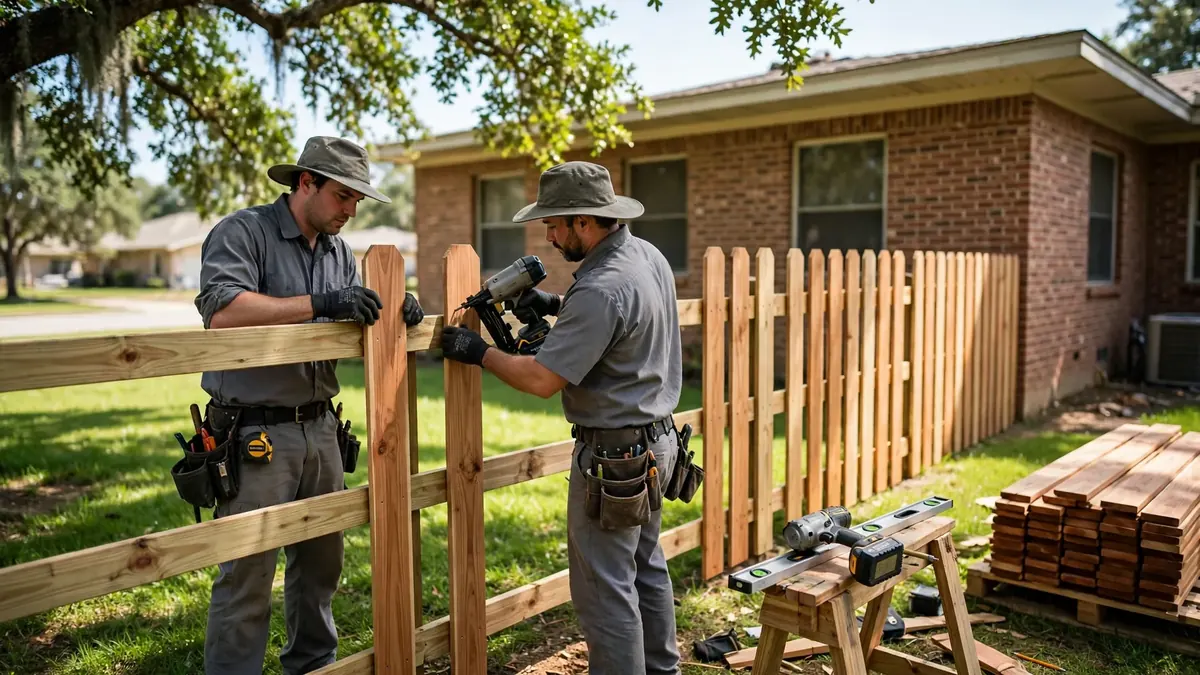
With board-on-board, each picket overlaps the next by an inch or so, so even fully dried wood leaves no gap to see through. Shadowbox alternates pickets on each side of the rails, which looks good from both yards and lets some breeze through, helpful where wind is strong.
Think of board-on-board as overlapping shingles on a roof: the overlap is what keeps the gaps closed as each board moves.
A common concern: Get the scope, materials and cleanup in writing before work begins, so everyone agrees on what's included.
Building a Fence That Stands Up to Wind
A 6-foot solid fence acts like a sail in a storm. Ask the builder how they design for wind and whether steel posts are an option.
Leaving a small gap at the bottom of pickets and choosing shadowbox styles can let some wind through and ease the strain. Spring hail around Waxahachie makes it worth choosing materials that are easy to repair.
Steel Posts vs. Wood Posts
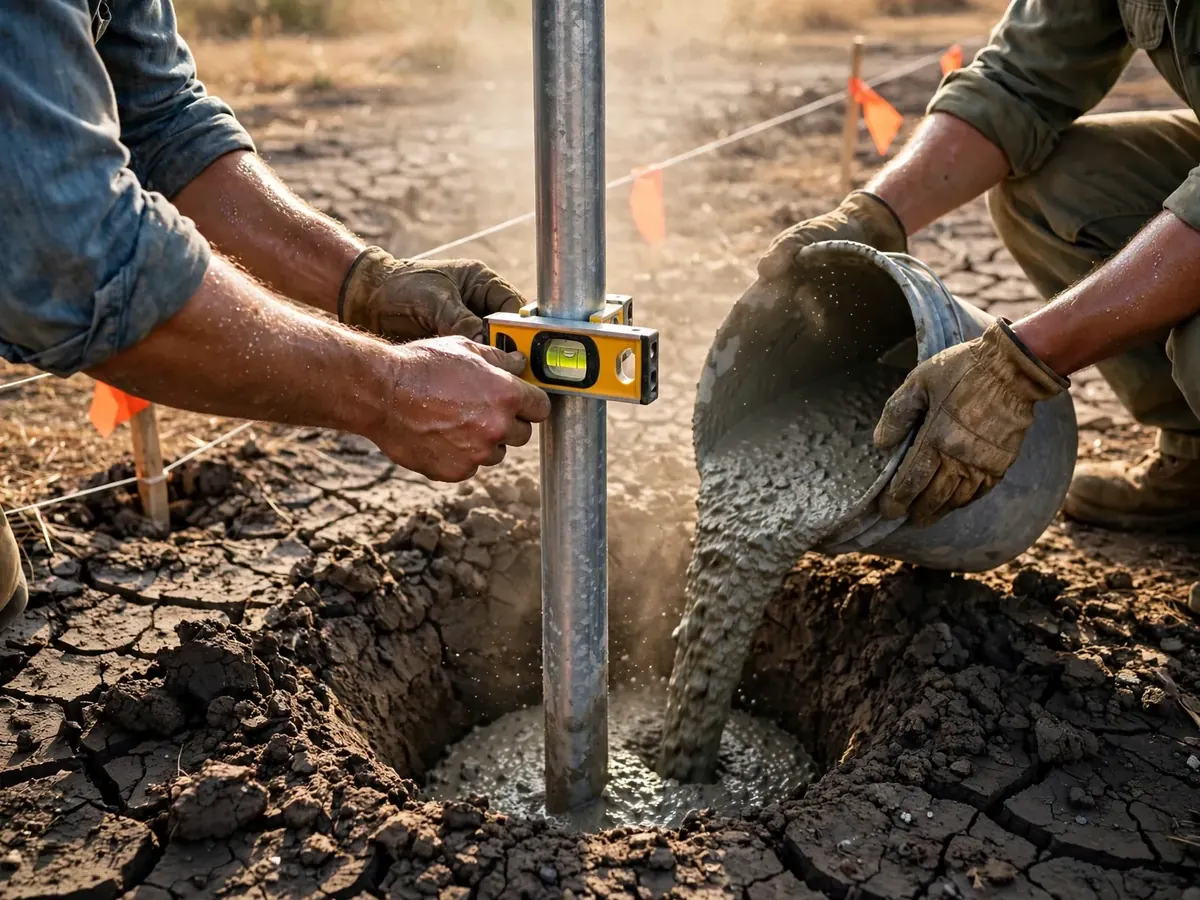
Ask how deep the posts will go and how much concrete each one gets. Concrete around a post should be crowned so rain sheds away instead of pooling against the post.
Steel posts can be painted to match the stain or hidden behind a wood wrap if you don't want them to show. In Waxahachie's clay, a fence that looks perfect on day one can drift out of line within a few seasons if the footings are shallow.
If you're weighing it up: Sticker shock is common, but the biggest savings usually come from choosing the right height and post type, not the cheapest pickets.
Pet and Pool Fencing
A rot board or a strip of wire along the bottom stops diggers, and smooth, tall pickets discourage climbers. Ornamental aluminum panels are a common choice because they're designed around those rules.
Walking the fence line with your dog's habits in mind, such as favorite digging spots, helps plan reinforcements.
More Fence Questions Around Waxahachie
Setting Posts in Shifting Clay Soil
Builders who know clay talk about depth and drainage before they talk about pickets; that's a good sign.
HOA Rules, Permits and Property Lines
Knowing your property line before talking to neighbors makes those conversations easier.
Horizontal and Modern Fence Designs
Pairing horizontal boards with black steel posts or a metal frame gives a clean modern look and keeps long boards from twisting.
Common Reasons Waxahachie Homeowners Call
Watch for these around your Waxahachie property:
- Neighbors replacing a shared fence
- Moving onto acreage that needs livestock fencing
- HOA requires an approved style
Quick Checks Before the Call
- Call 811 to have utility lines marked before digging
- Measure the rough length of fence needed
- Check HOA fence guidelines and stain colors
- Mark where vehicles, trailers and animals need to pass
- Mention any leaning or settling you've seen nearby
Fence Installation in Waxahachie: Talk to a Local Fence Builder
Dial 877-753-1892 to talk to a fence builder who works in Waxahachie. Have your questions ready, from permits to materials, and take notes. Pick up the phone today and get your fence project on the calendar.
877-753-1892Fence Questions From Waxahachie Homeowners
Do I need a permit for a fence in Waxahachie?
Texas has no statewide fence permit, but cities set rules on height, front-yard fences and masonry, and HOAs add their own. Check with your city and HOA before building. Ask about this on your first call, since conditions vary across Waxahachie.
Do I need to talk to my neighbor before replacing a shared fence in Waxahachie?
Many neighbors are happy to share the cost of a shared fence when asked early. If the fence is on the property line, talk to your neighbor before work starts about access and debris.
What should Waxahachie homeowners know about fence projects?
Freeze events in Waxahachie can crack concrete that holds water, so drainage helps. South and east of Dallas, subdivisions give way quickly to acreages and small farms, so a single town can need both a backyard privacy fence and a pasture fence.