
Fence Repair in Dayton: Local Conditions
Rural lots and flood-prone low ground are common. These towns sit along Galveston Bay and the Brazoria County coast, where salt air corrodes fasteners and steel faster than inland.
Dayton is a Liberty County city near the Trinity River. In Dayton, moisture management matters as much as the material itself. Like Clute in the same region, Dayton has to plan around salt air.
- Older neighborhoods often have fences on wood posts that are near the end of their life.
- With humidity this high, rot at the ground line is the usual way wood fences fail.
Materials That Suit Dayton
Near the coast, cedar goes up with stainless or hot-dip galvanized fasteners, ornamental sections switch from steel to aluminum, and vinyl appears where salt is heaviest. In low parts of Dayton, drainage around footings is part of a durable build.
Rotted Post Replacement
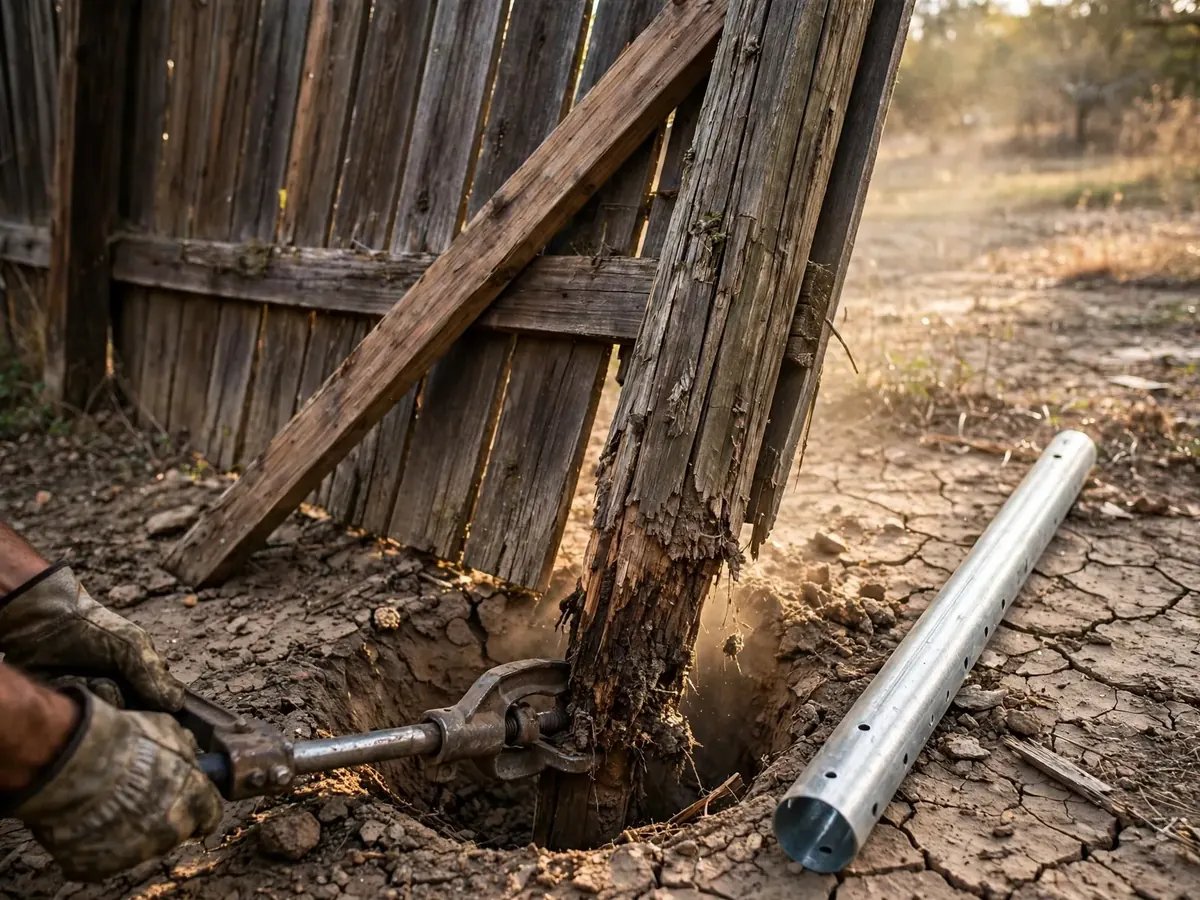
Steel posts with brackets are a common replacement that won't rot again. Replacing posts one at a time keeps the fence standing while the work is done.
A screwdriver test at the base of each post finds rot quickly: if the tip sinks in easily, the post is failing. In Dayton, steel posts and treated lumber reduce termite risk.
Before you decide: If a neighbor wants to split the cost, get the agreement in writing, even an email, before the old fence comes down.
Storm-Damaged Fences in Dayton
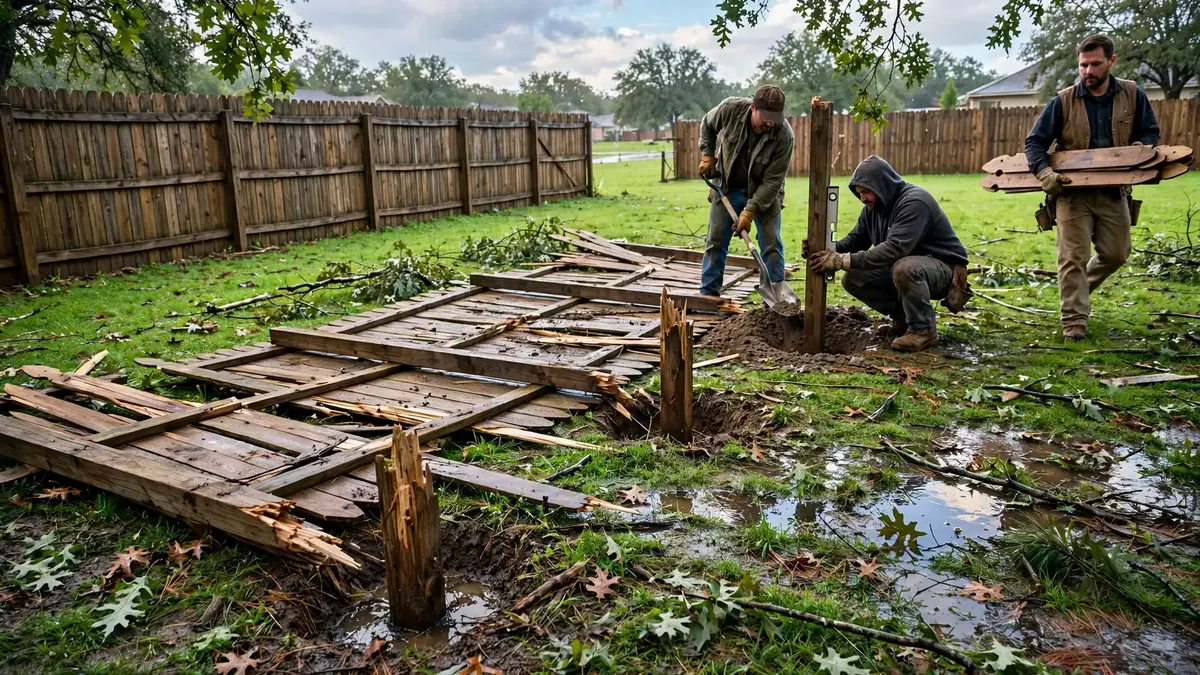
After a storm passes Dayton, walk the whole fence line, not just the section that fell. Panels that are still standing may have cracked posts or pulled brackets that will give way in the next blow. A fence repair pro can document what failed and why.
Photograph damage before anything is moved; if the storm also hit the house, those photos help when you talk to your insurer. In Dayton, building for tropical storm winds means deeper posts, stronger connections and closer spacing.
Leaning Fences and Shifting Posts
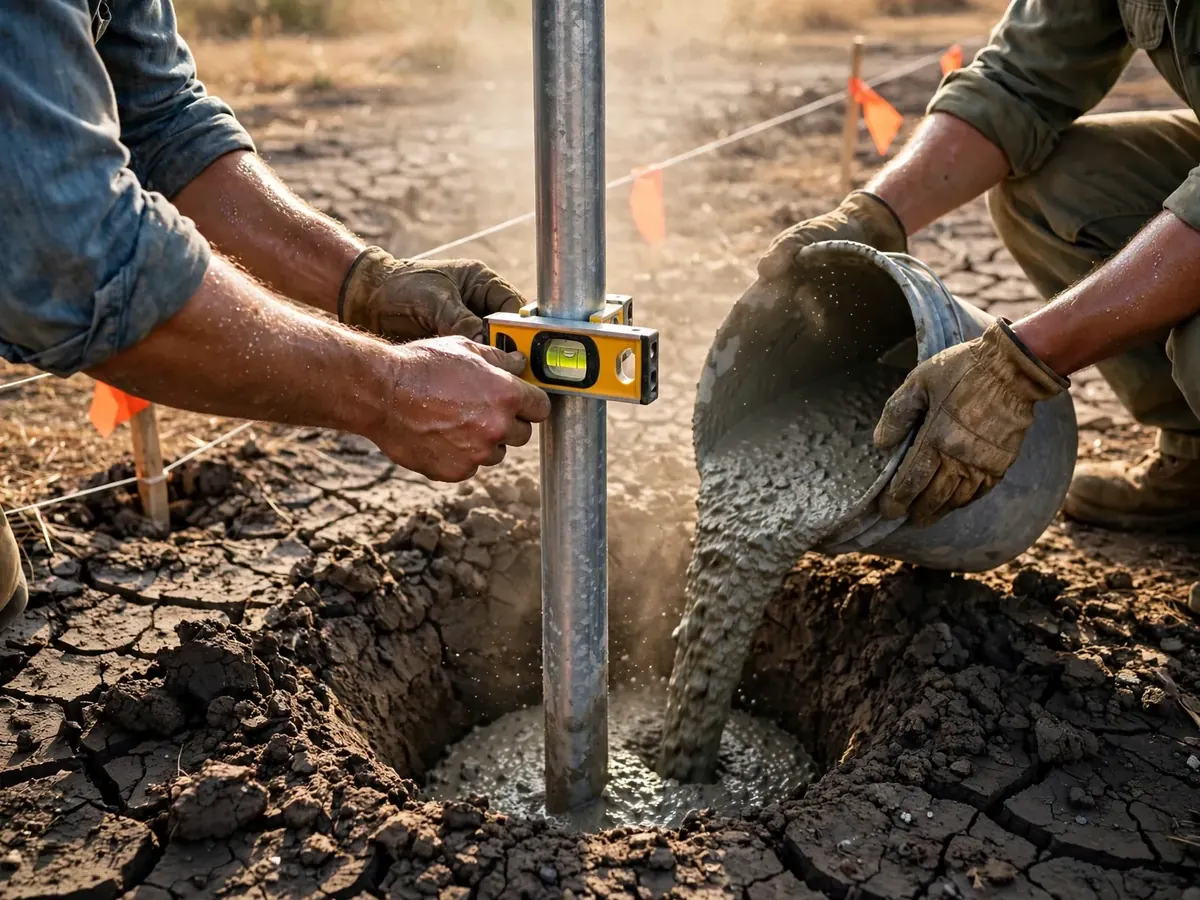
Lean is worst after wet springs and dry summers, as the ground swells and shrinks. A post can be straightened with a new footing poured beside it, or replaced if the base has rotted.
Fixing a lean early usually means resetting one or two posts; waiting can mean a whole section. Dayton lots that hold water need materials that tolerate wet conditions.
Something to keep in mind: A fence that's built well and stained on schedule can last many years; one built on shallow wood posts may start leaning within a few seasons.
Fence Damage From Trees and Roots
Big trees near a fence line are beautiful but hard on fences. Cutting large roots near a tree can harm it, so moving the post is often the better option.
If a neighbor's tree caused the damage, talk to them before the repair; responsibility is often settled more easily before work starts. Older Dayton homes often have quirks, like settled ground or old footings, that affect new work.
Repair or Replace?
Replacing pickets on bad posts is rarely money well spent. The answer depends on the posts.
Ask your repair pro for an honest estimate of how many years a repair will buy.
A question many homeowners raise: If your HOA needs to approve the plan, start that first, since crews can't begin without it.
Other Fence Situations in Dayton
Broken Pickets, Rails and Sagging Sections
Cracked pickets and loose or broken rails make sections sag; replacing them is quick if the posts are sound.
When to Pick Up the Phone
Dayton homeowners usually reach out when one of these shows up:
- Posts loose at the base
- Storm or tree damage
- Sagging between posts
What to Have Ready
- Photograph damaged sections
- Check whether pets can get out
- Find your survey if posts must be moved
- Walk the property line or gate location and note slopes, creeks and rock outcrops
- Mention any past flood damage to the area
Getting Fence Repair in Dayton Started
Give 877-753-1892 a call with your Dayton address area and a rough idea of the scope. A fence repair pro can explain what the work involves and what to expect next. Pick up the phone today and get your fence project on the calendar.
877-753-1892Fence Questions From Dayton Homeowners
Why does my fence keep leaning?
Rot at the base of wood posts and shifting clay soil are the usual causes. Deeper footings or steel posts fix it. In Dayton, that comes down to your lot and how the fence is built.
How can I keep a Dayton fence project within budget?
Sticker shock is common, but the biggest savings usually come from choosing the right height and post type, not the cheapest pickets. If budget is the sticking point, consider phasing the work: replace the sections that face the street or the dog run first, and finish the rest when it makes sense.
What should Dayton homeowners know about fence projects?
Near the coast, Dayton's salt air shortens the life of ordinary fasteners, so stainless or hot-dip galvanized hardware pays off. Hurricane Ike in 2008 and Hurricane Harvey in 2017 caused widespread wind and flood damage here, and Hurricane Beryl hit the area in 2024.