
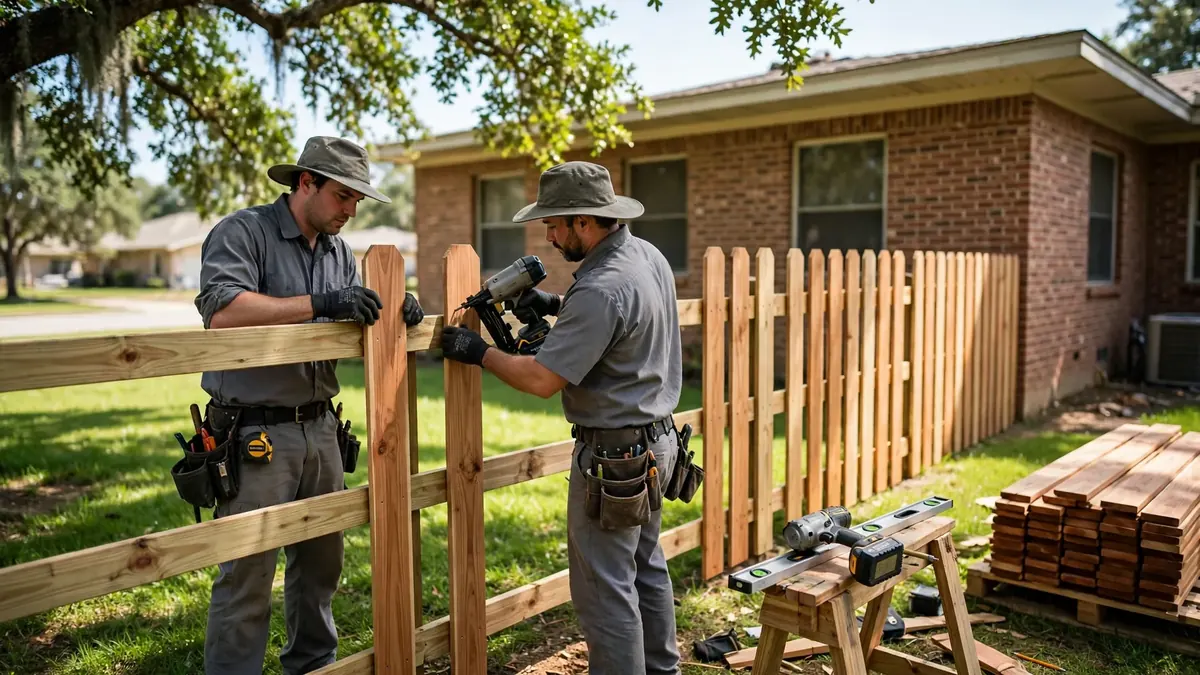
Local Conditions That Shape Fence Installation in Liberty
Low ground near the river floods in heavy rain. These towns sit along Galveston Bay and the Brazoria County coast, where salt air corrodes fasteners and steel faster than inland.
Liberty is the Liberty County seat on the Trinity River. Larger Liberty properties often need a mix of fence types for different areas. Like Webster in the same region, Liberty has to plan around salt air.
- Near the coast, the fasteners often fail before the wood does unless they're rated for salt.
- Wet, slow-drying conditions mean wood at ground level stays damp for days after rain.
Materials That Suit Liberty
Cedar fences with stainless or hot-dip galvanized fasteners, aluminum instead of steel for ornamental fencing, and vinyl where salt air is heavy. In flood-prone parts of Liberty, materials that tolerate wet conditions last longer.
Vinyl and Composite Fences in Texas Heat
Posts and rail connections are designed differently from wood fences, and the installation instructions matter for any manufacturer coverage. Vinyl doesn't rot or need stain, which appeals in humid areas with termites.
Vinyl expands in heat noticeably more than wood, so panels are designed with room to move; if they're forced tight, they can bow on a hot afternoon. In Liberty, moisture management matters as much as the material itself.
A frequent worry, answered: DIY can save labor, but renting augers, hauling concrete and disposing of the old fence add up, so compare honestly.
Steel Posts vs. Wood Posts
In shifting soil and high wind, depth matters as much as the post material. Concrete around a post should be crowned so rain sheds away instead of pooling against the post.
A good way to picture it: a wood post is a sponge planted in the ground, while a galvanized steel post is closer to a pipe that water can't soak into. In Liberty, steel posts and treated lumber reduce termite risk.
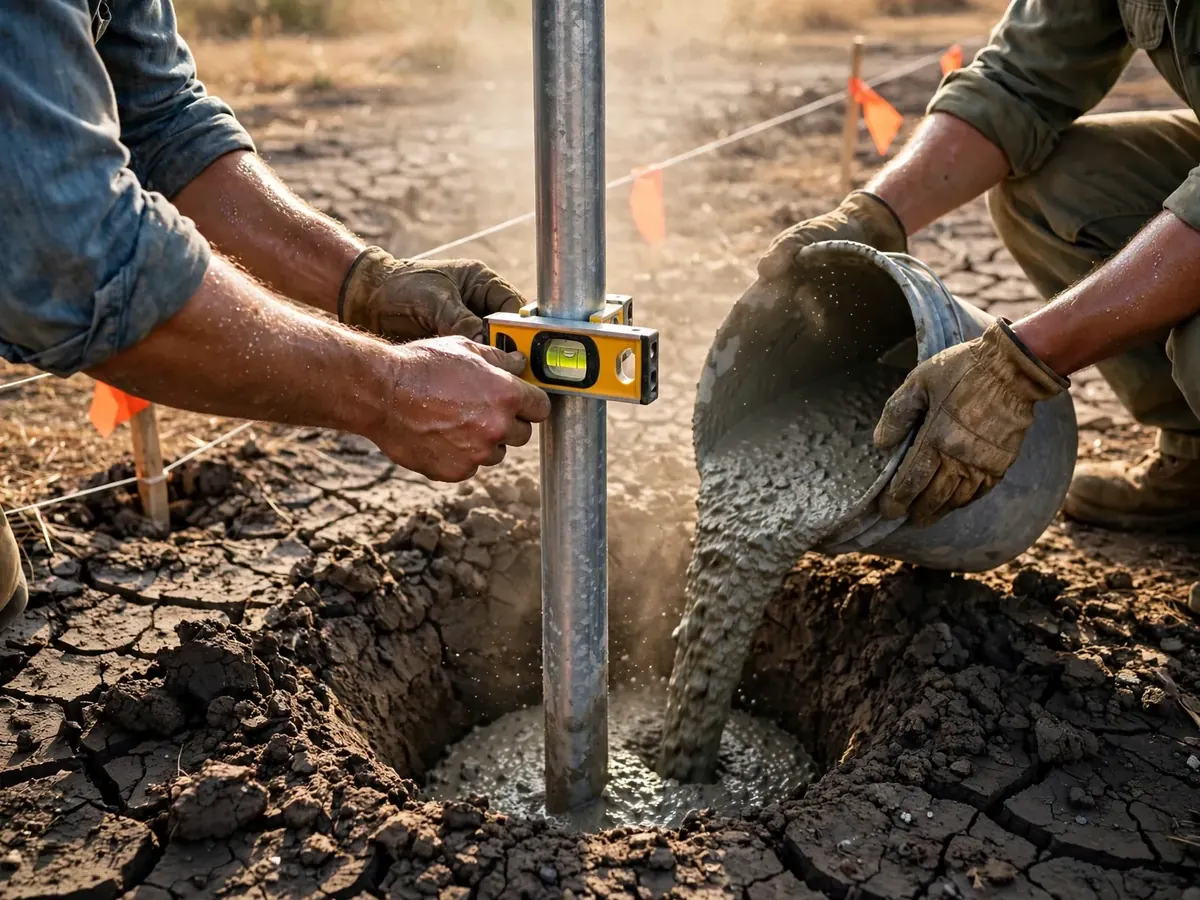
Building a Fence That Stands Up to Wind
In windy parts of Texas, closer post spacing, deeper footings, steel posts and three rails instead of two help it ride out gusts. A 6-foot solid fence acts like a sail in a storm.
Bracing corners and ends is especially important on long, solid runs exposed to open fields. In Liberty, building for tropical storm winds means deeper posts, stronger connections and closer spacing.
Something to keep in mind: Spring is busy for fence crews; booking a little ahead of the season gives you more scheduling choices.
Wrought Iron and Aluminum Fences
Ornamental panels are typically sold in 6- or 8-foot sections, so the layout is planned around those widths. Ornamental fencing is common in Liberty for front yards, along greenbelts and around pools.
Picket spacing matters if you have small dogs or children: many ornamental styles come with tighter spacing or a pressed-spear top for that reason. Near the coast, Liberty's salt air shortens the life of ordinary fasteners, so stainless or hot-dip galvanized hardware pays off.
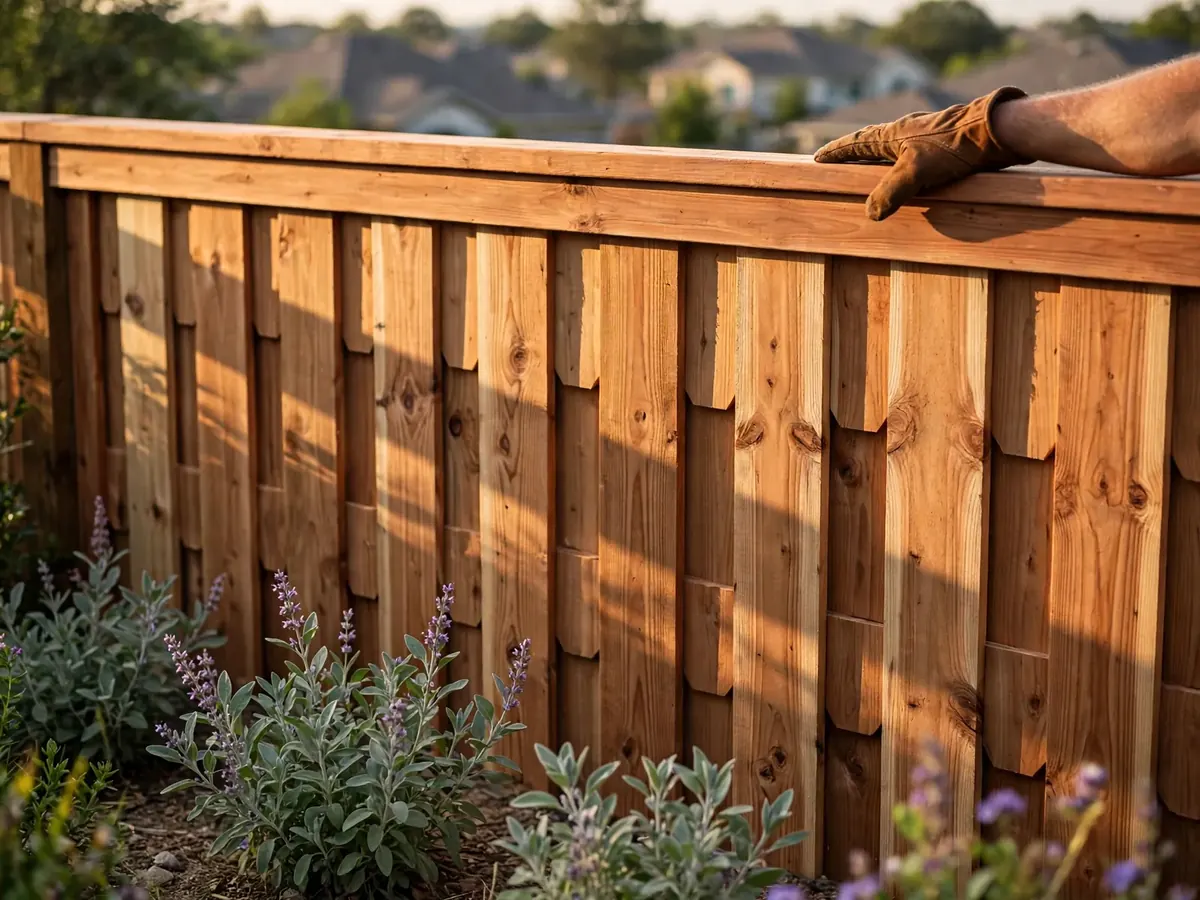
Cedar Privacy Fences in Liberty
Pre-stained or kiln-dried cedar can be stained sooner after installation than green lumber, which needs time to dry first. A kickboard, a horizontal board along the bottom, keeps pickets off the soil and is easy to replace when it eventually wears.
If you're comparing estimates, check whether both quote the same picket thickness and rail count; those two details explain many price differences. Older Liberty homes often have quirks, like settled ground or old footings, that affect new work.
A frequent worry, answered: If the fence is on the property line, talk to your neighbor before work starts about access and debris.
Other Fence Situations in Liberty
Setting Posts in Shifting Clay Soil
Clay behaves a bit like a slow tide: it rises when it's wet and falls when it's dry, and every cycle nudges a shallow post a little further out of line.
Ranch, Pipe and Wire Fencing on Acreage
Acreages use pipe, pipe-and-cable, barbed wire or no-climb wire depending on livestock, pets and budget.
Pet and Pool Fencing
Pool fencing is a safety barrier, so gate hardware that self-closes and self-latches matters as much as the fence itself.
Common Reasons Liberty Homeowners Call
If any of these sound familiar at your Liberty home, it's a good time to talk to a fence builder:
- HOA requires an approved style
- Planning a pool, a dog or new privacy
- Neighbors replacing a shared fence
Quick Checks Before the Call
- Mark gates and where you need access for mowers or vehicles
- Measure the rough length of fence needed
- Call 811 to have utility lines marked before digging
- Mark where vehicles, trailers and animals need to pass
- Note any original features you want to keep or match
Getting Fence Installation in Liberty Started
A quick call to 877-753-1892 is the easiest way to get a Liberty-specific answer. Ask about timelines, permits and how materials affect cost. Call now and get your Liberty fence project moving.
877-753-1892Fence Questions From Liberty Homeowners
What fence material is best near the coast?
Aluminum, vinyl and cedar with stainless or galvanized fasteners hold up best in salt air and humidity. Your fence builder can tell you what applies on your specific Liberty property.
How do I choose a fence builder in Liberty?
Good fence builders explain how they'll set posts and handle your soil without being asked; vague answers are a warning sign. Ask who handles permits, utility locates and HOA paperwork so nothing falls through the cracks.
What should Liberty homeowners know about fence projects?
Salt in the air around Liberty is hard on unprotected steel. Hurricane Ike in 2008 and Hurricane Harvey in 2017 caused widespread wind and flood damage here, and Hurricane Beryl hit the area in 2024.