
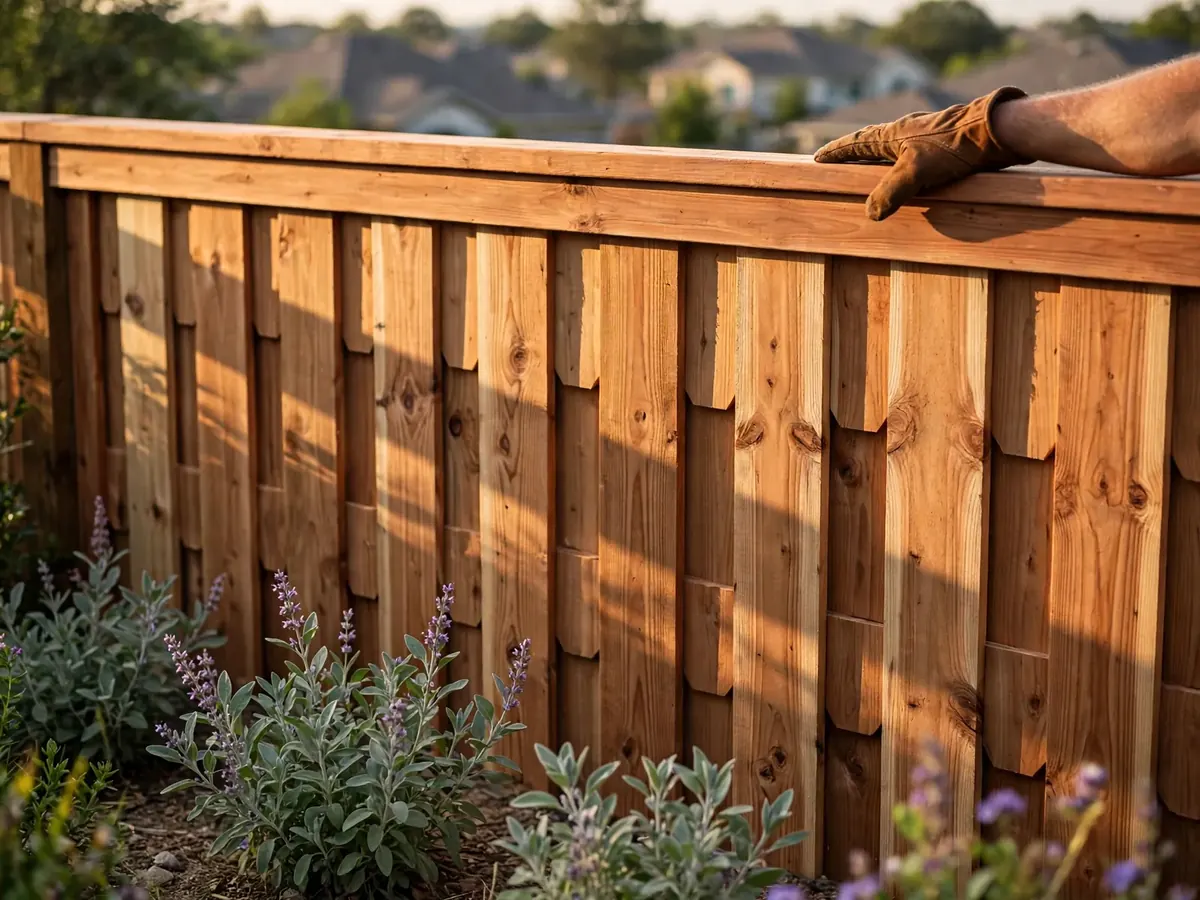
Fence Installation in Seguin: Local Conditions
Older homes near downtown and river-adjacent lots deal with heavy rain and flooding. Beyond the city, towns like Floresville, Pleasanton, Hondo and Devine are surrounded by ranchland.
Seguin is the Guadalupe County seat on the Guadalupe River. Expect heavier equipment where caliche is close to the surface around Seguin. Hard caliche is a common thread between Seguin and Castroville.
- Cities set rules on front-yard fence height, corner-lot sight lines and masonry walls, so check before building.
- Shrink-swell clay moves posts every season, so post depth, footing shape and steel posts matter more than picket style.
Choosing Materials in Seguin
The city mixes cedar privacy fences with wrought iron, while ranch land to the south and west relies on pipe, wire and pipe-and-cable. Seguin's strong sun dries and fades materials quickly, so UV protection matters.
Ranch, Pipe and Wire Fencing on Acreage
For larger properties, a fence builder will walk the line, mark corners and gates, and plan around creeks, slopes and rock before quoting. Steel T-posts are typically driven every 10 to 15 feet on wire fences, with wood or pipe posts at corners and gates.
Mixing materials is common: pipe near the house and barn where looks and strength matter, wire along back pastures where distance matters more. Rural Seguin properties often need longer runs and sturdier gates than suburban lots.
Before you decide: A good fence builder will tell you what they don't know until they start digging, such as rock or roots.
Drilling Posts Into Limestone and Caliche
Caliche can be as hard as concrete. Where it's shallow, some crews core through it; where it's deep, they may set posts in the caliche layer itself with less concrete. Either way, it's worth asking how they plan to handle it before work starts. Where rock lies under a few inches of soil, crews often set posts shallower but anchor them into the rock itself.
A post anchored into solid rock is about as stable as a fence post gets, which is the payoff for the extra effort. Seguin's limestone holds footings firmly once they're set, which is one advantage of the hard digging.
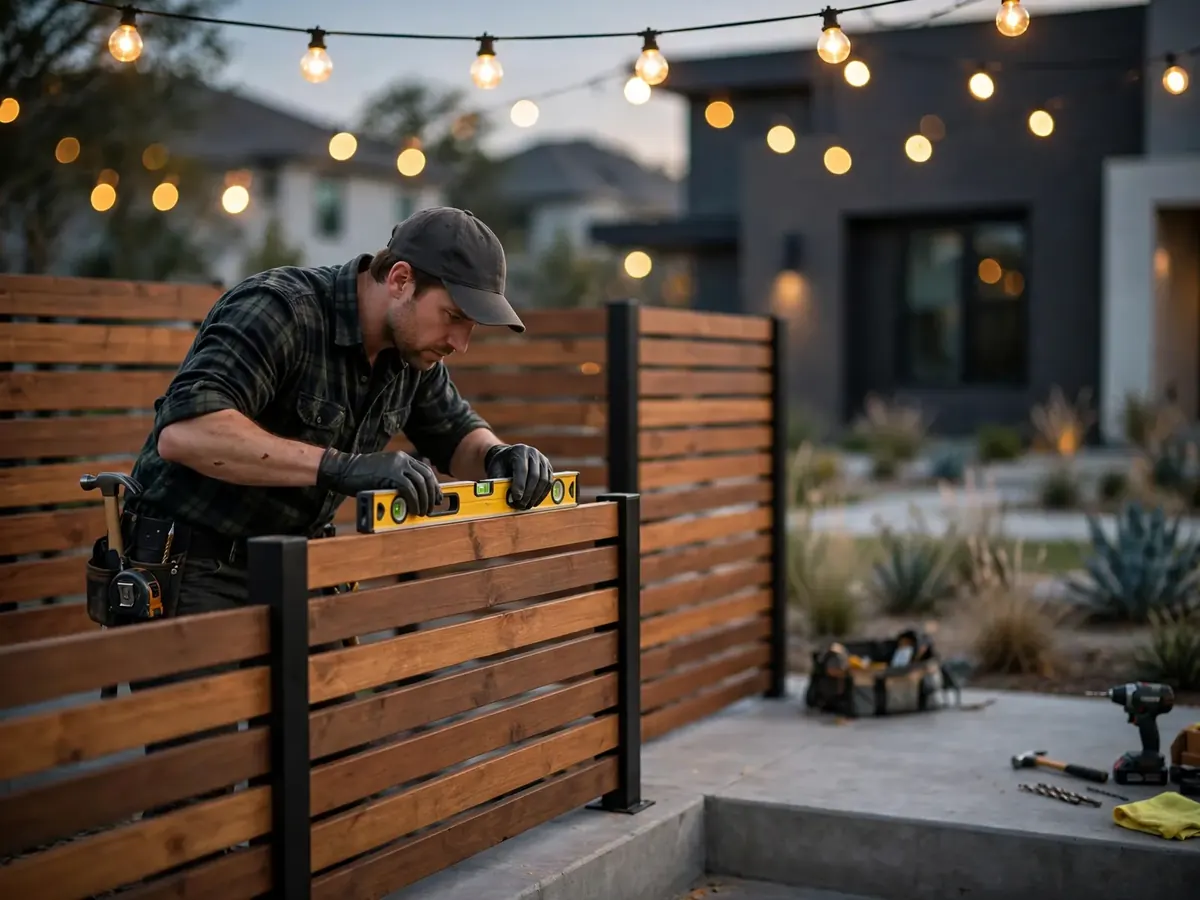
Cedar Privacy Fences in Seguin
On a typical Seguin lot the main decisions are picket style, rail count and whether to add a top cap and trim board for a finished look. Pre-stained or kiln-dried cedar can be stained sooner after installation than green lumber, which needs time to dry first.
Think of the pickets as the face of the fence and the posts and rails as its skeleton: you notice the face, but the skeleton decides whether it's still straight in ten years. Seguin has its own rules on height, setbacks and permits, so check before building.
One practical point: If your HOA needs to approve the plan, start that first, since crews can't begin without it.
Vinyl and Composite Fences in Texas Heat
Neither vinyl nor composite needs stain, but both benefit from an occasional wash to remove dust and mildew. Vinyl doesn't rot or need stain, which appeals in humid areas with termites.
Manufacturer installation instructions often affect coverage, so it's worth confirming they'll be followed. UV protection matters in Seguin; it's the difference between a fence that weathers gracefully and one that cracks.
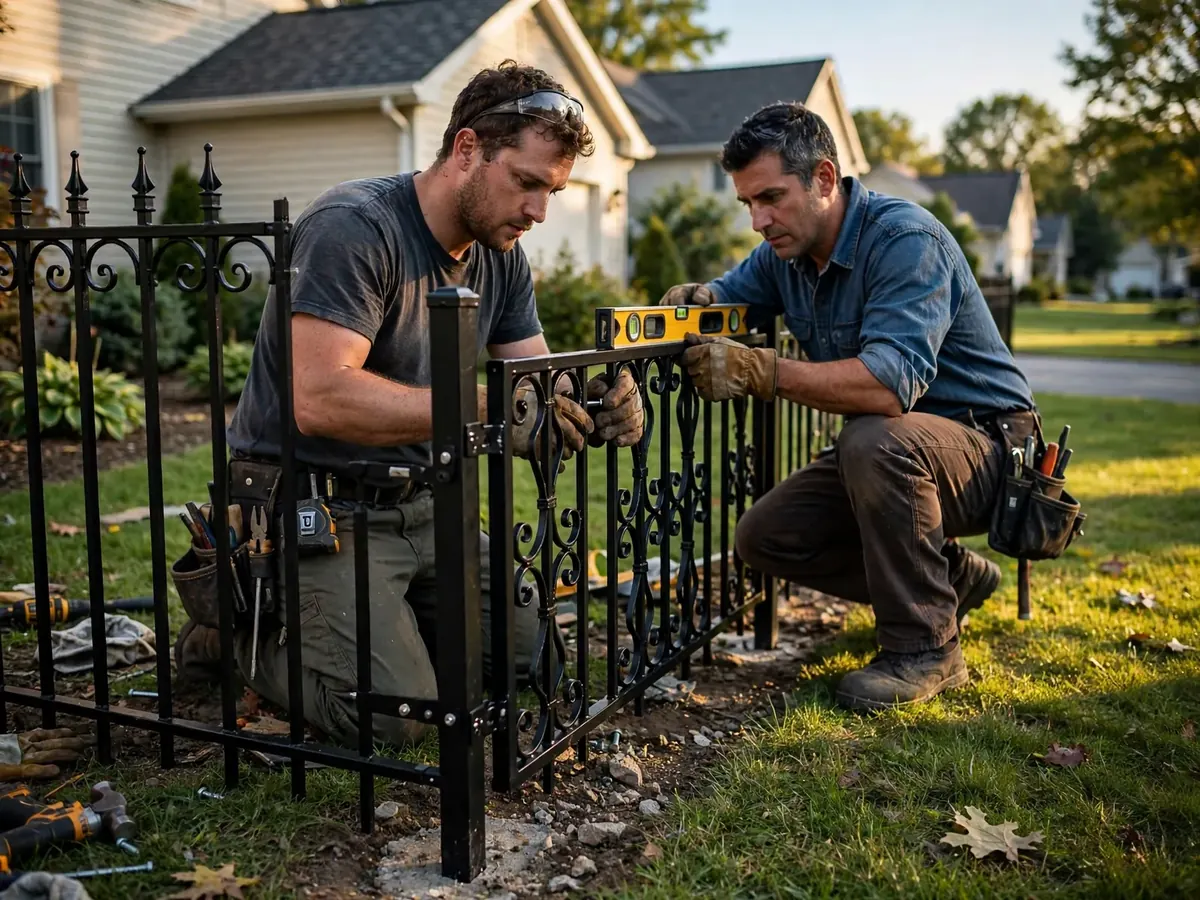
Horizontal and Modern Fence Designs
Horizontal fences are popular in newer and remodeled homes around Seguin. Horizontal fences often pair with matching horizontal gates, which need steel frames to stay square.
Mixing materials, such as horizontal cedar with black metal posts, gives a clean architectural look.
A frequent worry, answered: If you DIY, consider hiring out just the posts and footings, which is where experience matters most.
HOA Rules, Permits and Property Lines
Get HOA approval in writing before work starts, and call 811 so utility lines are marked before anyone digs. Many fence disputes start with a few inches.
Knowing your property line before talking to neighbors makes those conversations easier.
Other Fence Situations in Seguin
Steel Posts vs. Wood Posts
Galvanized steel posts don't rot and resist movement in shifting soil; wood posts are cheaper but usually fail first.
Setting Posts in Shifting Clay Soil
A post set roughly a third of its above-ground height into the ground, with a bell-shaped or wider footing, resists that seasonal heave far better than a shallow one.
Pet and Pool Fencing
Pool safety is about layers: the fence, the gate and supervision all work together.
Common Reasons Seguin Homeowners Call
Seguin homeowners usually reach out when one of these shows up:
- Moving onto acreage that needs livestock fencing
- Planning a pool, a dog or new privacy
- Old fence leaning or sagging
What to Have Ready
- Mark gates and where you need access for mowers or vehicles
- Measure the rough length of fence needed
- Check HOA fence guidelines and stain colors
- Notice whether nearby fences or the house foundation show signs of soil movement
- Mark where vehicles, trailers and animals need to pass
Fence Installation in Seguin: Talk to a Local Fence Builder
The quickest next step is a call to 877-753-1892. Describe the project and mention Seguin; a fence builder will ask a few questions and talk through options. Call now and get your Seguin fence project moving.
877-753-1892Fence Questions From Seguin Homeowners
Do I need a permit for a fence in Seguin?
There's no statewide fence permit in Texas. Cities, however, regulate height, front-yard fences and masonry walls, and HOAs often require approval, so check both before you build. Ask about this on your first call, since conditions vary across Seguin.
Do I need to talk to my neighbor before replacing a shared fence in Seguin?
Many neighbors are happy to share the cost of a shared fence when asked early. Sharing a fence with a neighbor? A short conversation before work starts about style, height and which side faces out heads off most disputes.
What should Seguin homeowners know about fence projects?
Seguin's clay is the reason so many local fences lean; building deeper avoids joining them. North San Antonio sits on limestone and caliche, while the south and east sides have heavier clay soils.