
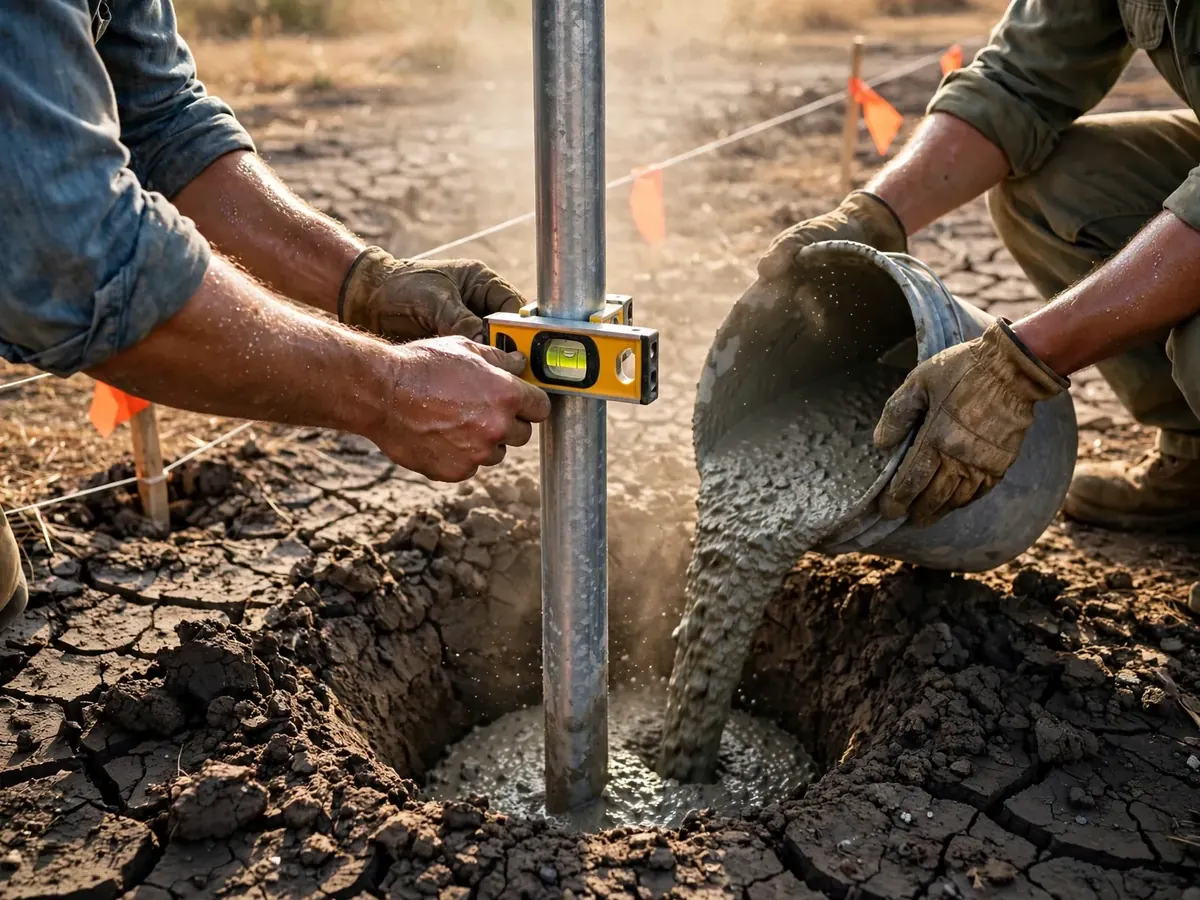
What to Know About Fence Installation in Taylor
Taylor is an older railroad town on Blackland clay, now growing with the Samsung semiconductor plant under construction there. Taylor is a Williamson County city with a historic downtown.
Older homes in town sit on heavy, shifting clay. Spring hail around Taylor makes it worth choosing materials that are easy to repair. A fence that suits Cedar Creek's sandy soil isn't automatically right for Taylor, where shifting clay matters more.
- First-generation fences in newer neighborhoods are reaching the age where repairs give way to replacement.
- HOA guidelines often set fence height, style, stain color and which side faces out.
Choosing Materials in Taylor
Cedar privacy fences on steel posts lead, modern horizontal designs are popular closer to the urban core, and pipe or wire fencing appears on acreage to the east and northwest. Many Taylor neighborhoods have HOAs, so check their guidelines before choosing styles and colors.
Cedar Privacy Fences in Taylor
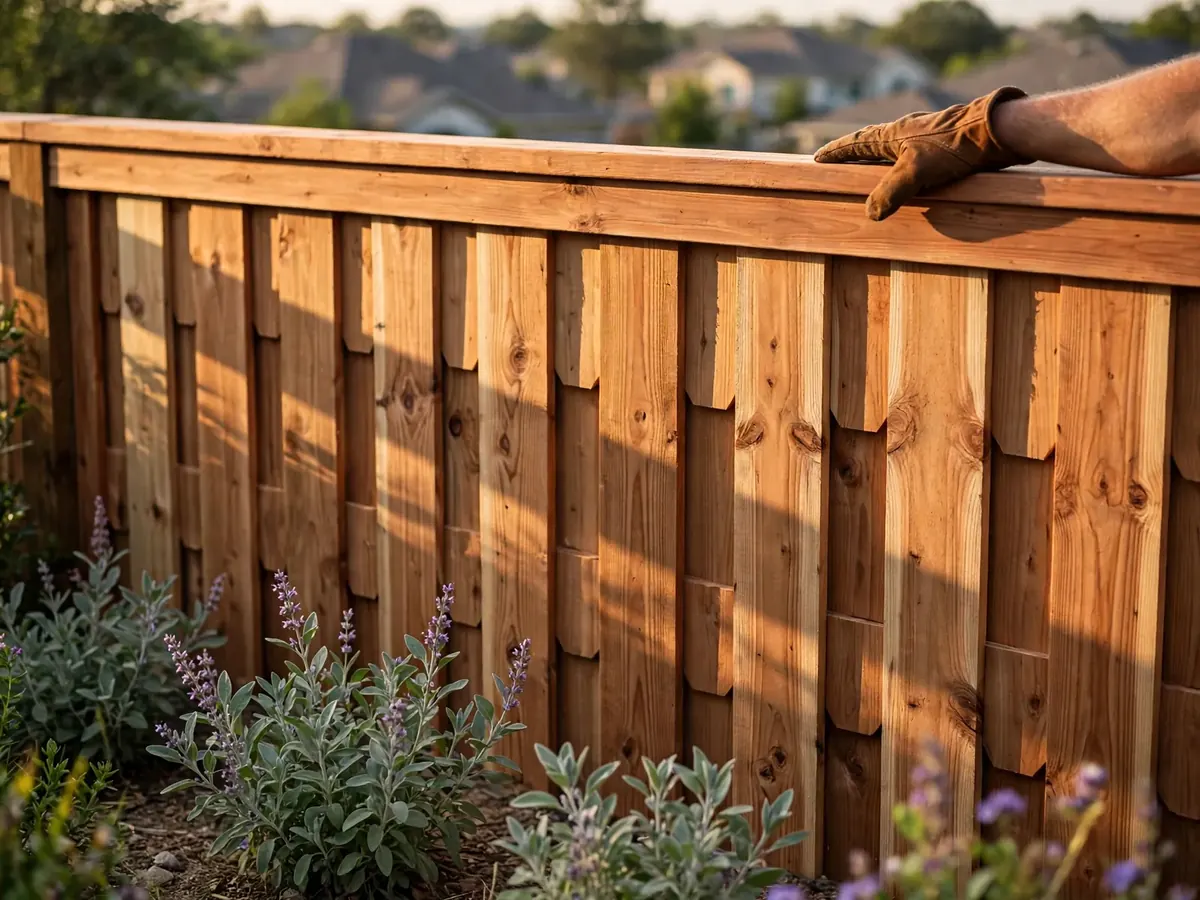
Six-foot cedar privacy fences are the standard backyard choice around Taylor. On a typical Taylor lot the main decisions are picket style, rail count and whether to add a top cap and trim board for a finished look.
If you're comparing estimates, check whether both quote the same picket thickness and rail count; those two details explain many price differences. Taylor has its own rules on height, setbacks and permits, so check before building.
Sharing a fence with a neighbor? A short conversation before work starts about style, height and which side faces out heads off most disputes.
HOA Rules, Permits and Property Lines
Utility easements along the back of a lot can limit where posts go or allow utilities to remove sections. HOAs around Taylor often add requirements for style, height and stain color.
Knowing your property line before talking to neighbors makes those conversations easier. In HOA communities around Taylor, approval comes before scheduling a crew.
Pet and Pool Fencing
For dogs, the gap at the bottom of the fence matters as much as the height. A mow strip of concrete under the fence line stops digging and makes trimming easier.
Walking the fence line with your dog's habits in mind, such as favorite digging spots, helps plan reinforcements. In Taylor's newer neighborhoods, upgrades often replace the original builder materials.
Before you decide: Rain delays are common in the spring storm season, so build a little slack into your plans.
Board-on-Board and Shadowbox Styles
Shadowbox alternates pickets on each side of the rails, which looks good from both yards and lets some breeze through, helpful where wind is strong. With board-on-board, each picket overlaps the next by an inch or so, so even fully dried wood leaves no gap to see through.
Shadowbox is often the friendliest choice on a shared property line, because neither neighbor ends up looking at the rails.
Wrought Iron and Aluminum Fences
On sloped lots, panels are either racked to follow the grade or stepped. Ask which the builder recommends for your yard. Black is the most common finish, but bronze, white and other colors are widely available in powder coat.
Ornamental fencing is a good fit where you want security without blocking breezes or views.
If you're weighing it up: DIY can save labor, but renting augers, hauling concrete and disposing of the old fence add up, so compare honestly.
Horizontal and Modern Fence Designs
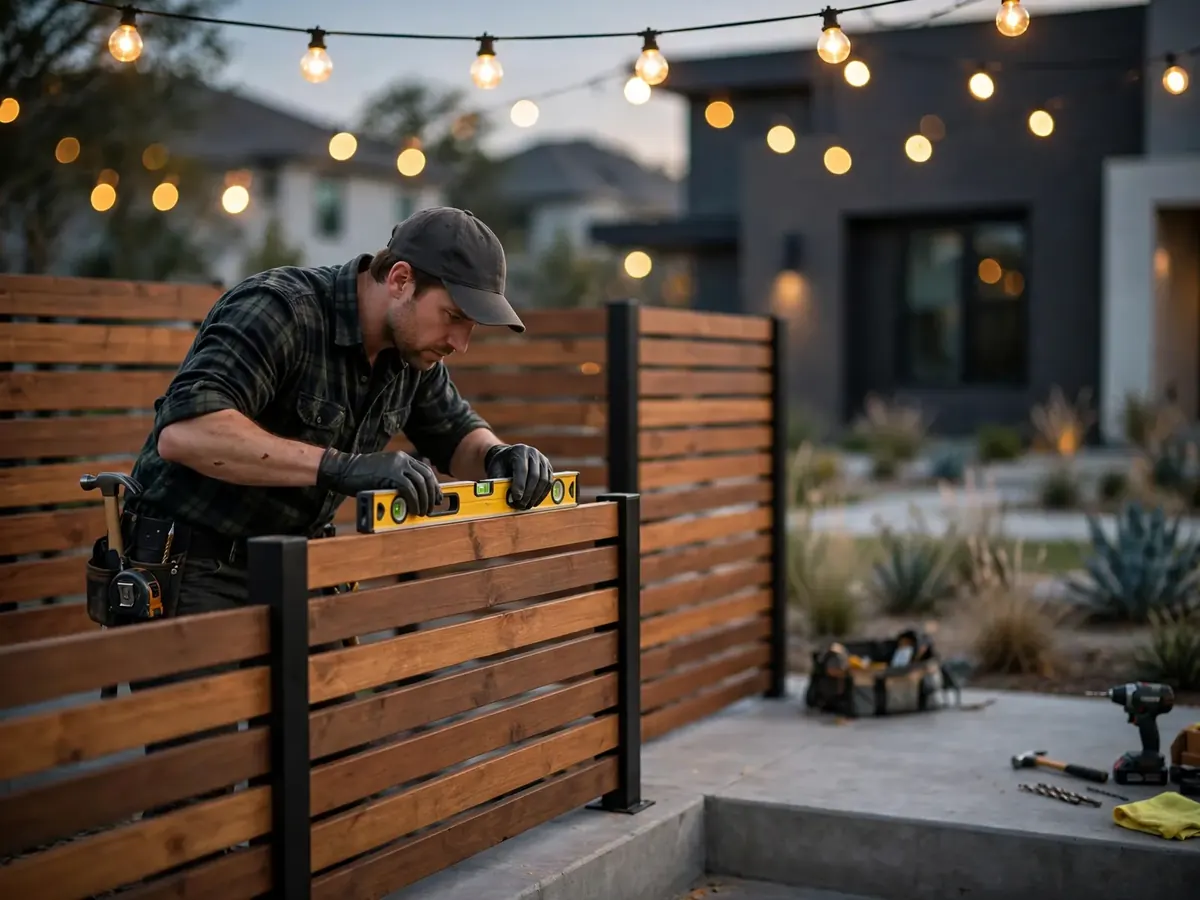
Horizontal fences are popular in newer and remodeled homes around Taylor. Spacing between boards can be tight for privacy or wider for airflow.
Pairing horizontal boards with black steel posts or a metal frame gives a clean modern look and keeps long boards from twisting.
More Fence Questions Around Taylor
Setting Posts in Shifting Clay Soil
Builders who know clay talk about depth and drainage before they talk about pickets; that's a good sign.
Building a Fence That Stands Up to Wind
If neighboring fences have blown over, ask your builder what they'll do differently on yours.
Steel Posts vs. Wood Posts
Galvanized steel posts don't rot and resist movement in shifting soil; wood posts are cheaper but usually fail first.
Common Reasons Taylor Homeowners Call
These are the moments that push Taylor homeowners to pick up the phone:
- Moving onto acreage that needs livestock fencing
- Old fence leaning or sagging
- Neighbors replacing a shared fence
What to Have Ready
- Measure the rough length of fence needed
- Mark gates and where you need access for mowers or vehicles
- Find your survey or plat showing property lines
- Note your HOA's approved colors and styles so the fence builder can quote the right materials
- Mention any leaning or settling you've seen nearby
Planning Fence Installation in Taylor: What to Expect
Have the details from the checklist above ready, then call 877-753-1892. A fence builder serving Taylor can tell you what the job involves, what affects the cost and whether anything needs attention right away. Booking is a phone call away; call today and lock in a time that suits you.
877-753-1892Fence Questions From Taylor Homeowners
Do I need a permit for a fence in Taylor?
There's no statewide fence permit in Texas. Cities, however, regulate height, front-yard fences and masonry walls, and HOAs often require approval, so check both before you build. Ask about this on your first call, since conditions vary across Taylor.
How long will a fence last in Taylor?
A fence that's built well and stained on schedule can last many years; one built on shallow wood posts may start leaning within a few seasons. Ask what the fence builder expects to fail first on your lot, and how they've built to delay it.
What should Taylor homeowners know about fence projects?
Taylor's clay is the reason so many local fences lean; building deeper avoids joining them. Round Rock, Pflugerville, Leander, Cedar Park, Georgetown and Hutto have grown rapidly, so many homes have builder-installed fences reaching the end of their first life. Unlike Austin, where shallow limestone drives most decisions, in Taylor it's older homes that deserves the closest attention.