
Fence Installation in Deer Park: Local Conditions
Most homes are single-family houses on flat, low ground. Much of the area sits on gumbo clay that holds water, so posts set without good drainage can loosen and rot.
Deer Park is an east Harris County city near the Houston Ship Channel. Deer Park lots that hold water need materials that tolerate wet conditions. Deer Park shares constant humidity with Crosby, so solutions that work well there usually suit Deer Park too.
- Cities set rules on front-yard fence height, corner-lot sight lines and masonry walls, so check before building.
- With humidity this high, rot at the ground line is the usual way wood fences fail.
Choosing Materials in Deer Park
Cedar or pine privacy fencing on steel or treated posts is standard, with aluminum or iron in front yards and around pools in close-in neighborhoods. In Deer Park, steel posts and treated lumber reduce termite risk.
Steel Posts vs. Wood Posts
Wood posts are typically 4x4 pressure-treated pine or cedar, and the part just below the soil line is where they fail first. Deeper holes with a concrete footing that's crowned at the top to shed water help any post last longer.
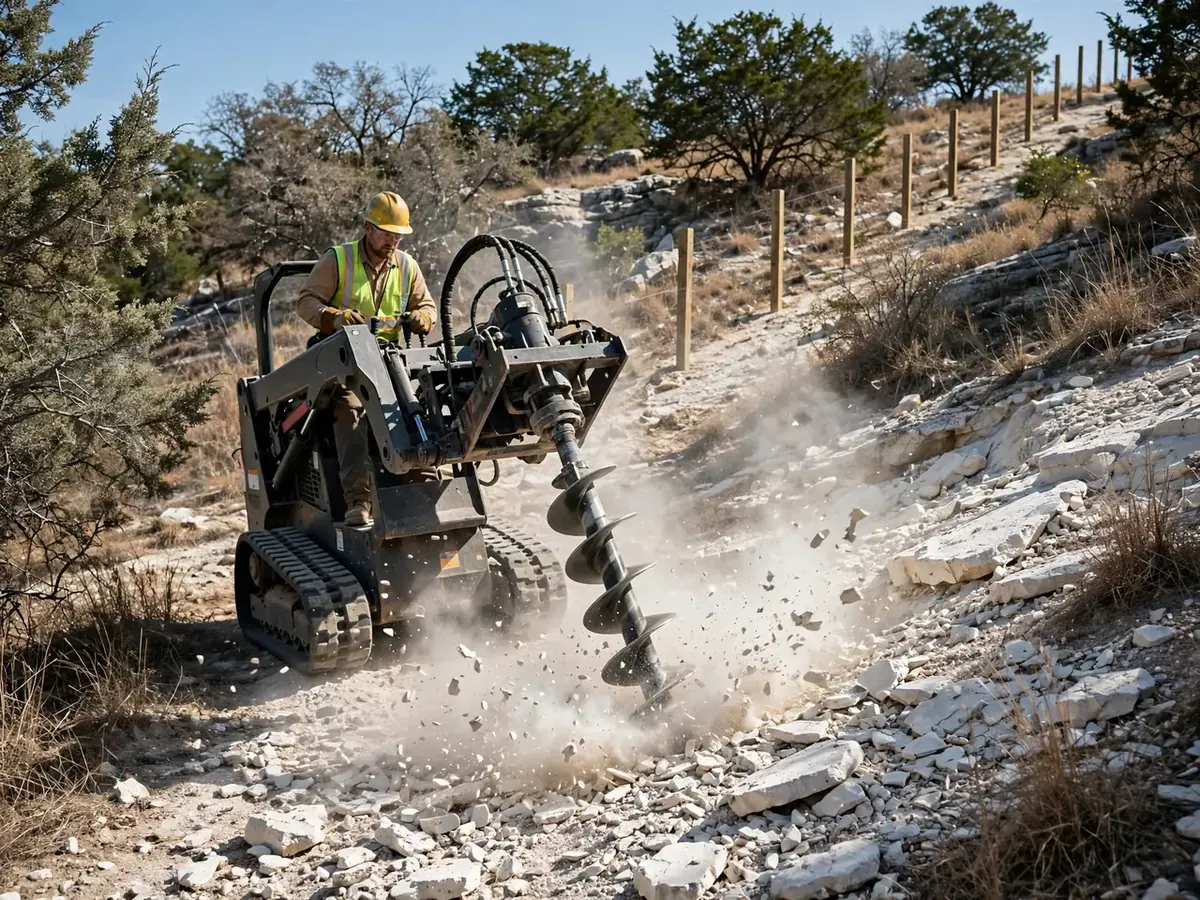
Steel posts are usually 2 3/8-inch galvanized pipe; ask about the wall thickness, because heavier-gauge pipe resists bending in a storm. On Deer Park's clay, it's worth asking how deep each footing will go before comparing anything else.
Something to keep in mind: DIY can save labor, but renting augers, hauling concrete and disposing of the old fence add up, so compare honestly.
Cedar Privacy Fences in Deer Park
Western red cedar costs more than the more common Texas or Japanese cedar but holds its shape better; ask which species you're getting. Cedar's natural oils slow rot and insects, it moves less than pine in the heat, and it takes a semi-transparent stain well.
Think of the pickets as the face of the fence and the posts and rails as its skeleton: you notice the face, but the skeleton decides whether it's still straight in ten years. City codes in Deer Park may set limits that affect your design.
Vinyl and Composite Fences in Texas Heat
If you choose vinyl or composite, ask how the panels handle thermal expansion and wind. In Texas sun, though, cheaper vinyl can sag or become brittle.
Manufacturer installation instructions often affect coverage, so it's worth confirming they'll be followed. In Deer Park, moisture management matters as much as the material itself.
Something to keep in mind: Ask what the fence builder expects to fail first on your lot, and how they've built to delay it.
Setting Posts in Shifting Clay Soil
Over a few seasons that movement lifts and tilts posts, which is why so many fences around Deer Park lean. Deeper post holes, concrete footings that sit below the most active layer and a little gravel at the bottom for drainage all help.
Clay behaves a bit like a slow tide: it rises when it's wet and falls when it's dry, and every cycle nudges a shallow post a little further out of line.
Wrought Iron and Aluminum Fences
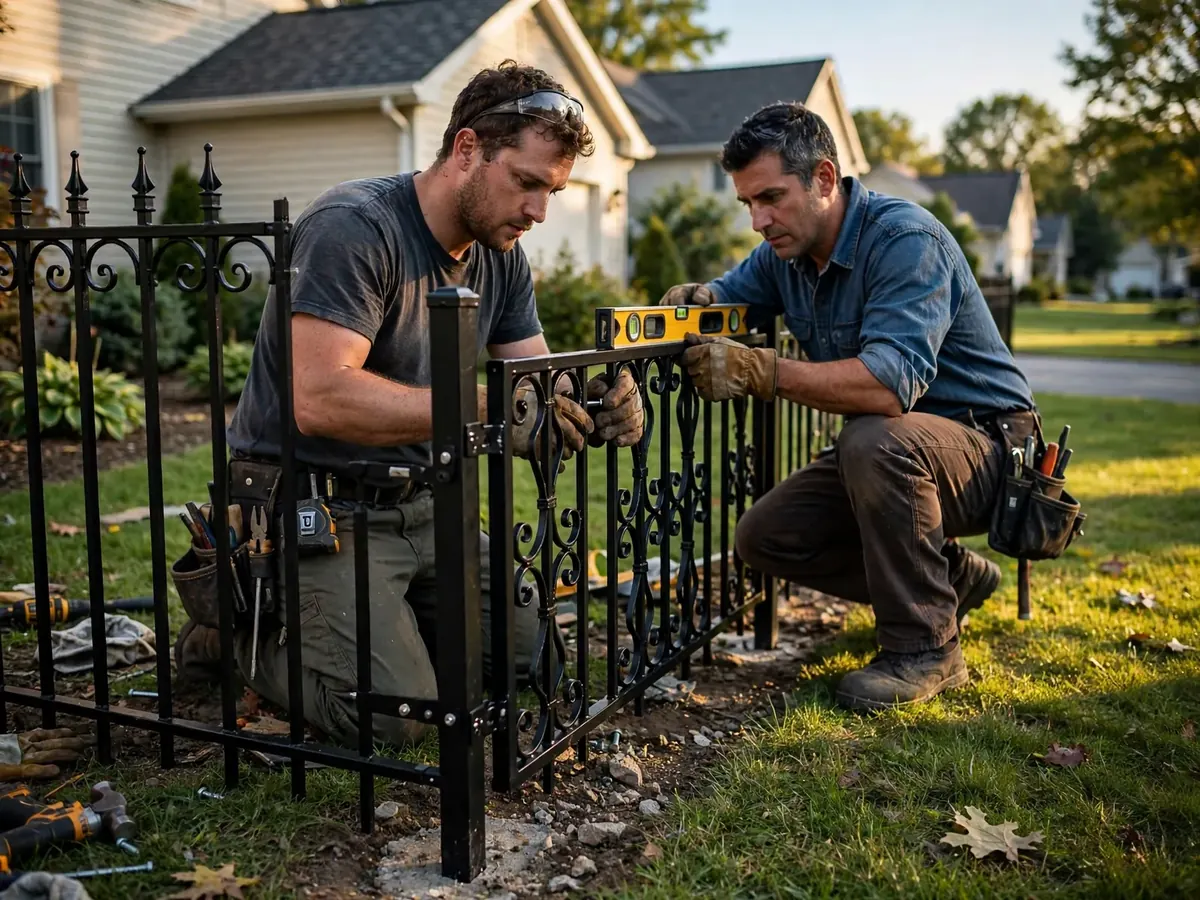
Ornamental fencing is often combined with wood privacy sections where a view is wanted in one place and privacy in another. Ornamental aluminum and steel panels are designed with those rules in mind; confirm the requirements with your city.
Aluminum weighs a fraction of steel, which makes it easier to install on slopes and kinder to posts in soft ground.
If you're weighing it up: Many neighbors are happy to share the cost of a shared fence when asked early.
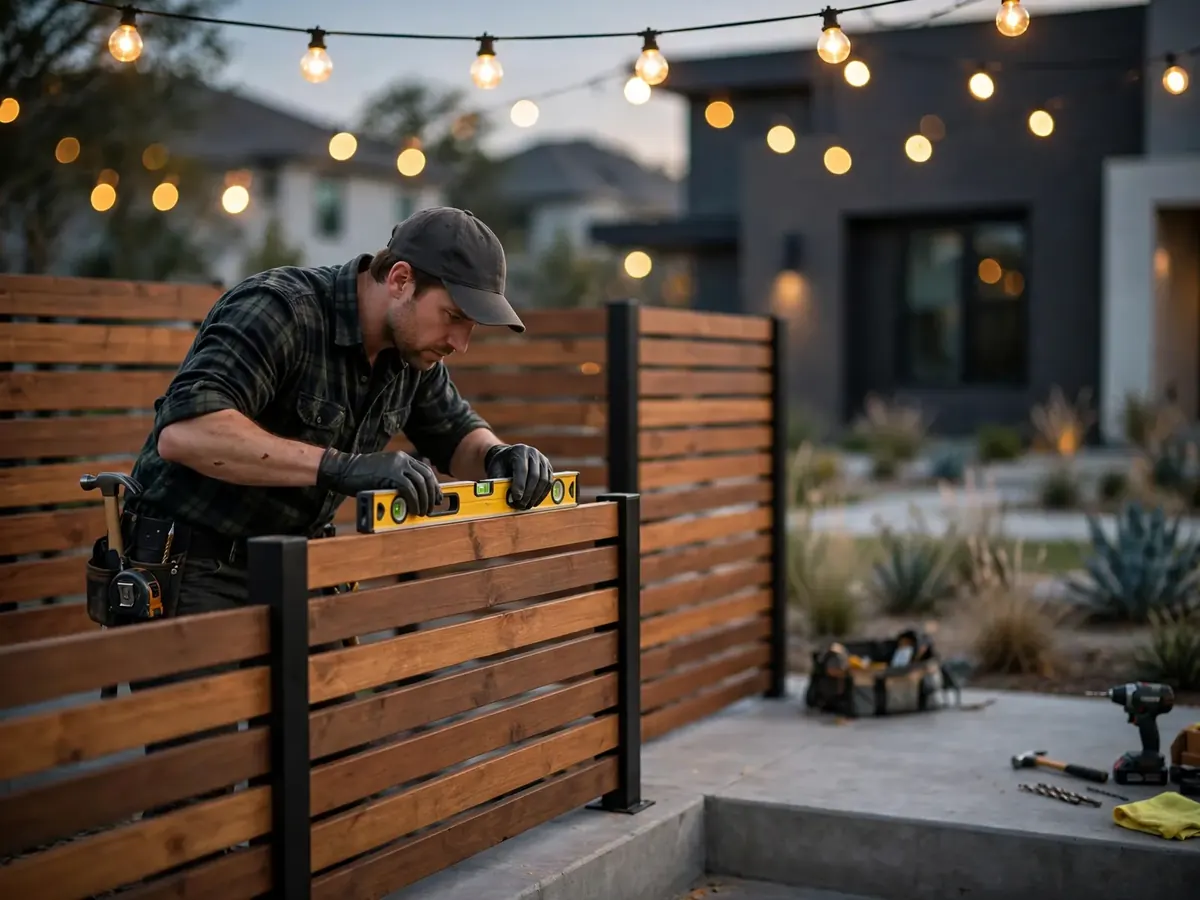
Horizontal and Modern Fence Designs
Spacing between boards can be tight for privacy or wider for airflow. A modern fence often pairs stained wood or composite slats with black steel posts. It's more labor-intensive than a standard picket fence, and HOA approval may be needed if the neighborhood's guidelines call for vertical cedar.
Horizontal fences highlight any unevenness in the ground, so grading before building helps.
Other Fence Situations in Deer Park
Pet and Pool Fencing
Pool safety is about layers: the fence, the gate and supervision all work together.
HOA Rules, Permits and Property Lines
Most HOAs need a written approval before work starts, so build their review time into your schedule rather than booking a crew first.
Building a Fence That Stands Up to Wind
Solid privacy fences catch wind like a sail, so post depth, spacing and rail strength matter in storm-prone areas.
When to Pick Up the Phone
Around Deer Park, a call usually follows one of these:
- Moving onto acreage that needs livestock fencing
- Neighbors replacing a shared fence
- Old fence leaning or sagging
Quick Checks Before the Call
- Find your survey or plat showing property lines
- Call 811 to have utility lines marked before digging
- Mark gates and where you need access for mowers or vehicles
- Notice whether nearby fences or the house foundation show signs of soil movement
- Note corner-lot sight lines if your property is on a corner
Fence Installation in Deer Park: Talk to a Local Fence Builder
One call to 877-753-1892 gets the conversation started with a fence builder who works around Deer Park. Bring your measurements, photos and any HOA requirements. Ready to get started? Call now to book a visit for your Deer Park property.
877-753-1892Fence Questions From Deer Park Homeowners
What fence material is best near the coast?
Aluminum, vinyl and cedar with stainless or galvanized fasteners hold up best in salt air and humidity. Your fence builder can tell you what applies on your specific Deer Park property.
How can I keep a Deer Park fence project within budget?
Sticker shock is common, but the biggest savings usually come from choosing the right height and post type, not the cheapest pickets. Worried a new fence will cost more than it's worth? Ask for an itemized estimate that separates posts, panels, gates and haul-off, so you can see where the money goes and trim the parts that matter least to you.
What should Deer Park homeowners know about fence projects?
Hurricane season makes wind resistance a practical concern in Deer Park, not just a design detail. Houston gets about 50 inches of rain a year and stays humid most of the year, so wood fences and decks stay damp longer than in the rest of Texas.