
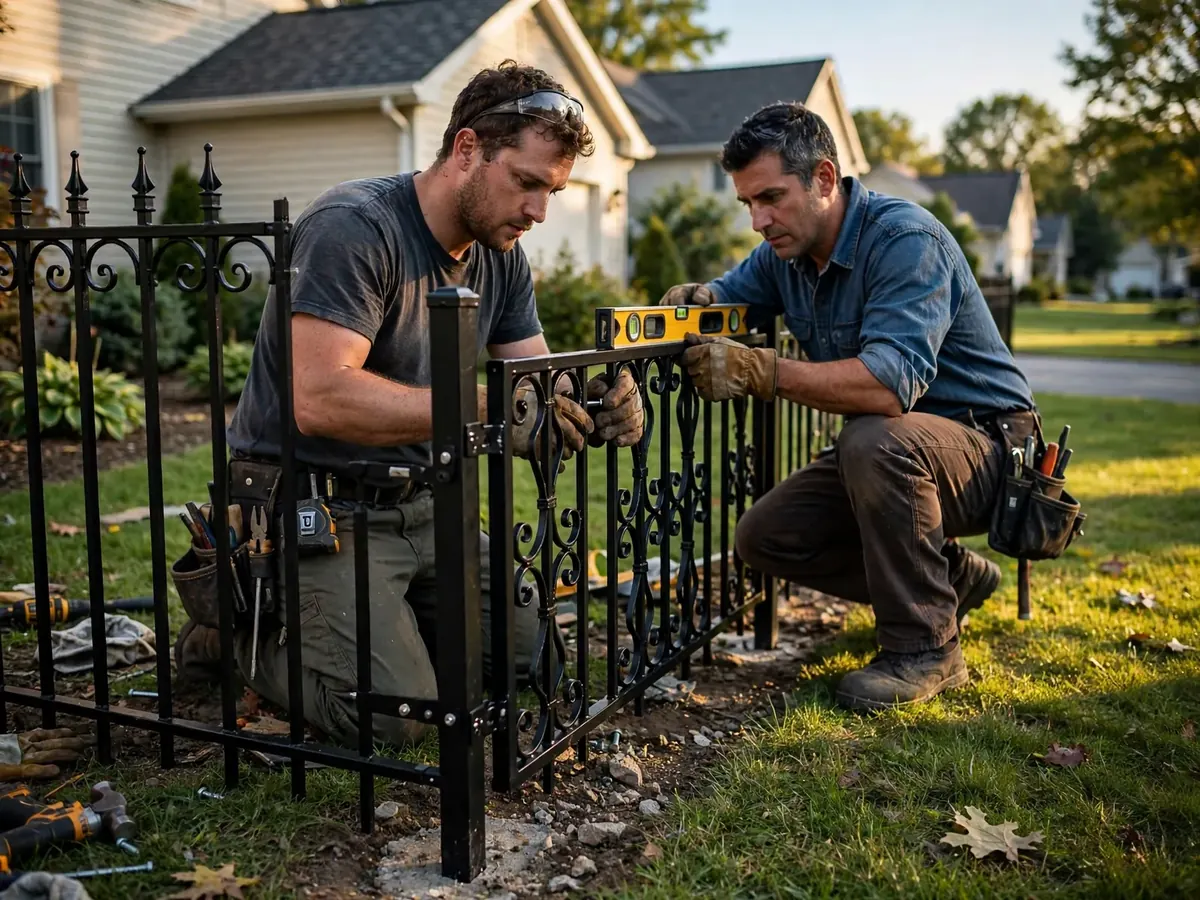
What to Know About Fence Installation in Forney
New master-planned neighborhoods now surround the older town center. Black clay soils here are especially prone to shrinking and swelling, which makes post depth and concrete footings matter more.
Forney is a fast-growing Kaufman County city east of Dallas, once known as the Antique Capital of Texas. Builder-grade work in newer Forney subdivisions often wears out sooner than homeowners expect. Shifting clay is a common thread between Forney and Palmer.
- Builder fences in newer subdivisions often reach the end of their first life within 10 to 15 years.
- Steady wind loads a privacy fence day after day, which is why post strength matters as much as picket style.
Materials That Suit Forney
Cedar privacy fences in town, with pipe, wire and pipe-and-cable fencing on acreages; steel posts help in the shifting clay. Open exposure in Forney means the fence should be built for gusts.
Board-on-Board and Shadowbox Styles
Check your HOA's fence guidelines before choosing a style; they often list the approved stain color too. Standard side-by-side pickets shrink in Texas heat and open small gaps.
On windy lots, shadowbox gives a little relief to the posts while still blocking most views. Open exposure in Forney means the fence should be built for gusts.
If you're weighing it up: DIY makes the most sense for short runs and simple designs.
Steel Posts vs. Wood Posts
In Forney, where the ground and the weather work against posts, steel is worth the added cost over the life of the fence. Wood posts are typically 4x4 pressure-treated pine or cedar, and the part just below the soil line is where they fail first.
Steel posts can be painted to match the stain or hidden behind a wood wrap if you don't want them to show. On Forney's clay, it's worth asking how deep each footing will go before comparing anything else.
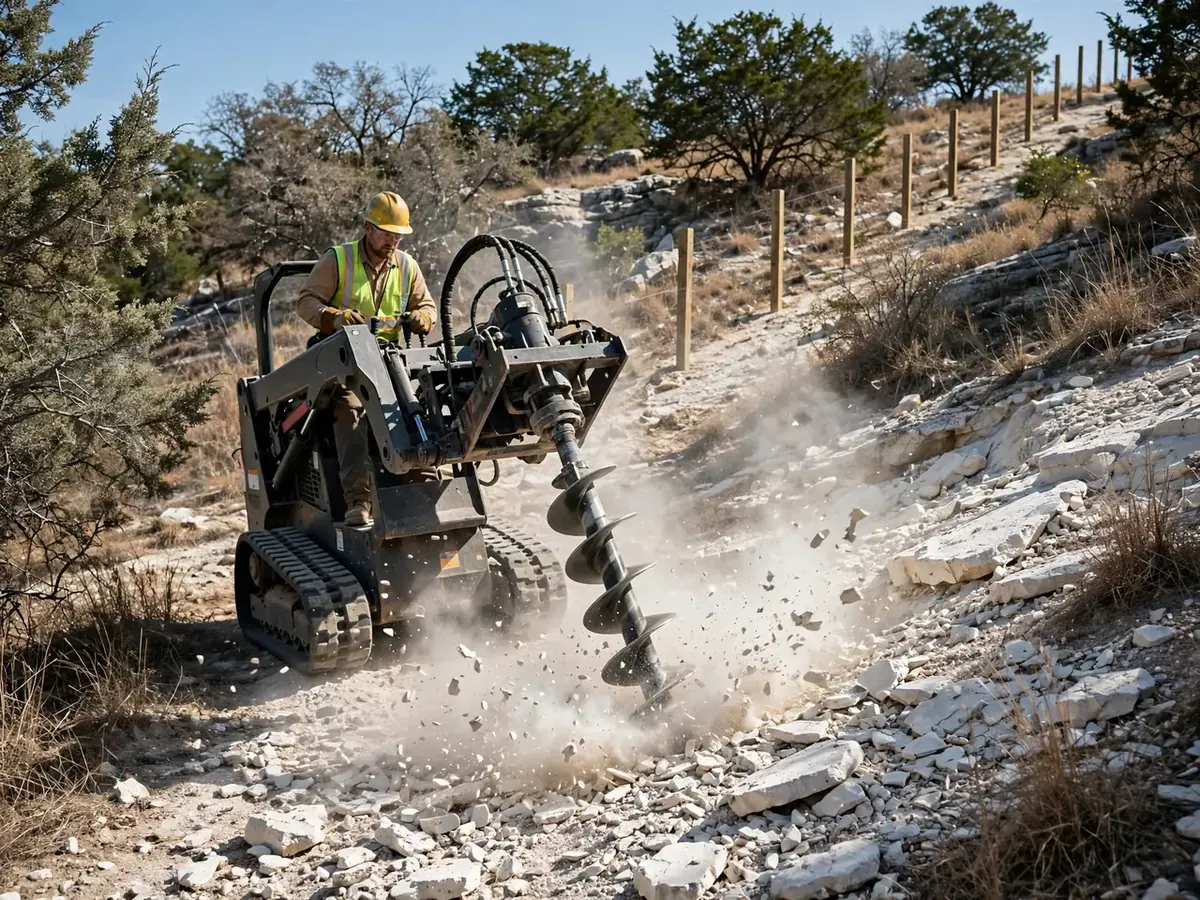
Ranch, Pipe and Wire Fencing on Acreage
Ask the fence builder how they'll handle long runs and changes in grade. Steel T-posts are typically driven every 10 to 15 feet on wire fences, with wood or pipe posts at corners and gates.
Mixing materials is common: pipe near the house and barn where looks and strength matter, wire along back pastures where distance matters more. Larger Forney properties often need a mix of fence types for different areas.
Worried a new fence will cost more than it's worth? Ask for an itemized estimate that separates posts, panels, gates and haul-off, so you can see where the money goes and trim the parts that matter least to you.
Cedar Privacy Fences in Forney
Pickets usually come in 5/8-inch or 3/4-inch thickness; the thicker board costs a little more and resists warping noticeably better. Six-foot cedar privacy fences are the standard backyard choice around Forney.
Rot starts where wood stays wet longest, so a small gap between the pickets and the soil does more for lifespan than any single product.
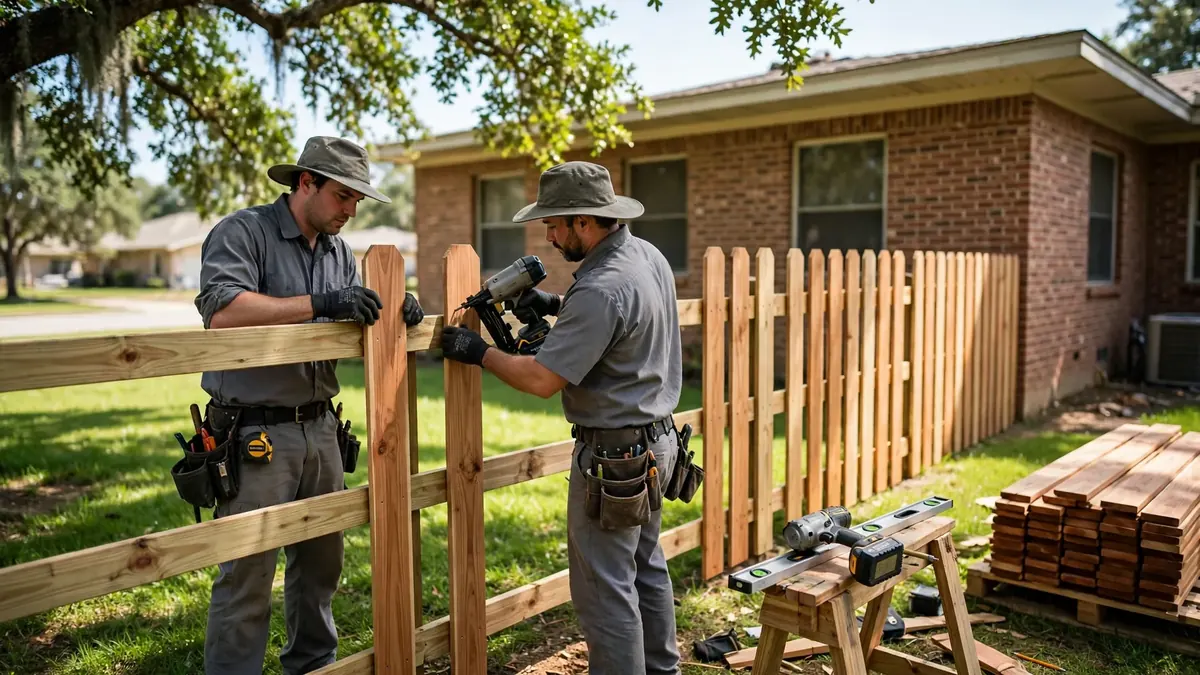
Building a Fence That Stands Up to Wind
Ask the builder how they design for wind and whether steel posts are an option. A 6-foot solid fence acts like a sail in a storm.
A solid 6-foot privacy fence catches wind like a sail, so the loads on its posts are far higher than most people expect. Hail storms are common enough in Forney that many owners plan for occasional repairs.
A frequent worry, answered: Ask who handles permits, utility locates and HOA paperwork so nothing falls through the cracks.
Horizontal and Modern Fence Designs
Horizontal fences are popular in newer and remodeled homes around Forney. Long horizontal boards sag more than vertical pickets, so posts are usually spaced closer together, and many builders use steel posts or a hidden steel frame.
Because the boards span between posts, a 6-foot post spacing is common for horizontal fences instead of the usual 8 feet.
Other Fence Situations in Forney
HOA Rules, Permits and Property Lines
A short email to your HOA before choosing materials can save a rejected application.
Pet and Pool Fencing
Dogs that dig can be stopped with a buried wire apron or a concrete mow strip along the base of the fence.
Setting Posts in Shifting Clay Soil
Builders who know clay talk about depth and drainage before they talk about pickets; that's a good sign.
Signs It's Time to Call in Forney
Forney homeowners usually reach out when one of these shows up:
- HOA requires an approved style
- Neighbors replacing a shared fence
- Old fence leaning or sagging
What to Have Ready
- Mark gates and where you need access for mowers or vehicles
- Call 811 to have utility lines marked before digging
- Find your survey or plat showing property lines
- Mark where vehicles, trailers and animals need to pass
- Mention any leaning or settling you've seen nearby
Fence Installation in Forney: Talk to a Local Fence Builder
A quick call to 877-753-1892 is the easiest way to get a Forney-specific answer. Ask about timelines, permits and how materials affect cost. Booking is a phone call away; call today and lock in a time that suits you.
877-753-1892Fence Questions From Forney Homeowners
What fence material is best near the coast?
Aluminum, vinyl and cedar with stainless or galvanized fasteners hold up best in salt air and humidity. Ask about this on your first call, since conditions vary across Forney.
How long will a fence last in Forney?
Ask what the fence builder expects to fail first on your lot, and how they've built to delay it. A fence on steel posts, kept stained, often outlives two fences built on wood posts.
What should Forney homeowners know about fence projects?
Freeze events in Forney can crack concrete that holds water, so drainage helps. South and east of Dallas, subdivisions give way quickly to acreages and small farms, so a single town can need both a backyard privacy fence and a pasture fence.