
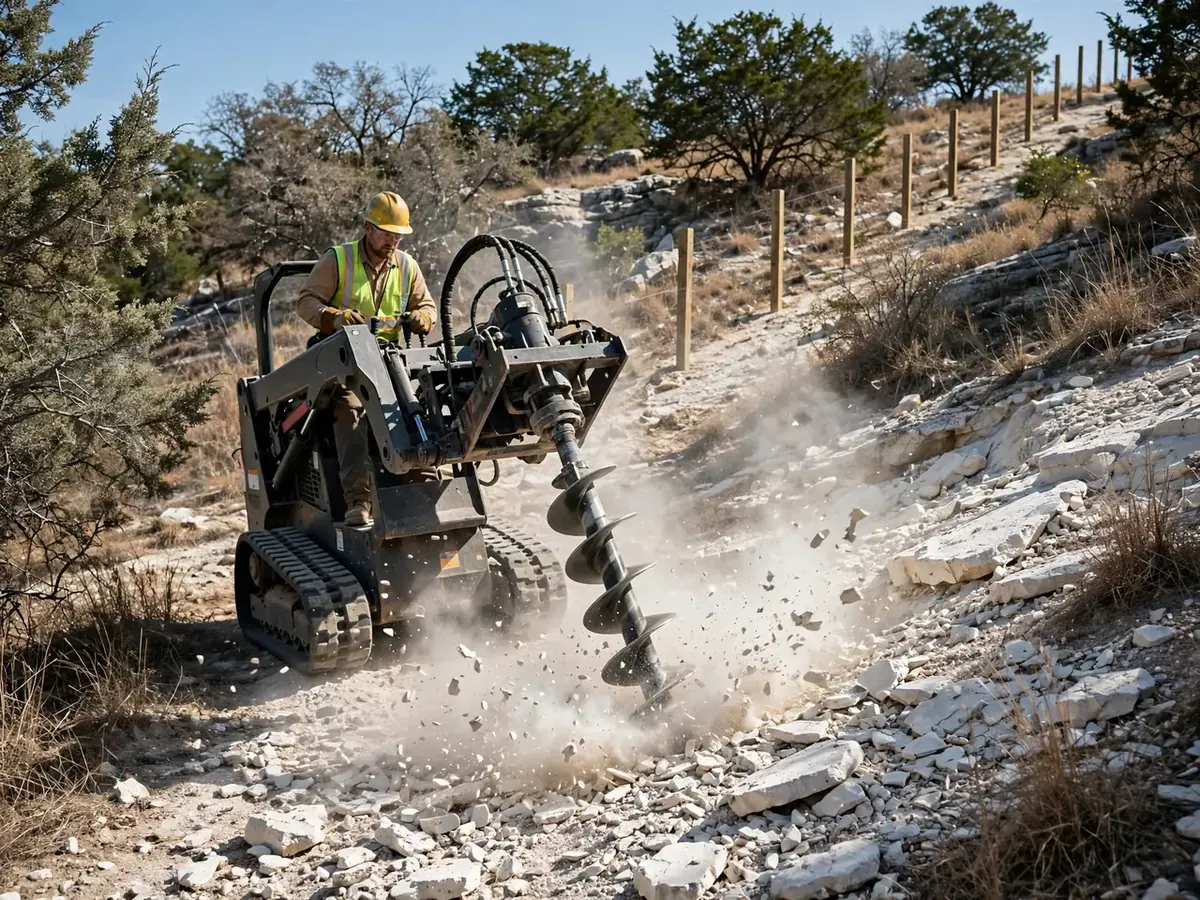
What to Know About Fence Installation in West Columbia
Rural lots and river-bottom land are common. Sugar Land, Missouri City, Pearland and Manvel are large suburban areas with master-planned communities, while farther south the land turns rural.
West Columbia is a Brazoria County city where the first capital of the Republic of Texas stood. On West Columbia's clay, it's worth asking how deep each footing will go before comparing anything else. West Columbia shares constant humidity with Stafford, so solutions that work well there usually suit West Columbia too.
- First-generation fences in newer neighborhoods are reaching the age where repairs give way to replacement.
- In HOA communities, the approved fence design is often spelled out down to the cap and trim.
Choosing Materials in West Columbia
Cedar privacy fences on steel posts in subdivisions, with ornamental iron around retention ponds and pools; wire and pipe fencing on acreages to the south. West Columbia lots that hold water need materials that tolerate wet conditions.
Cedar Privacy Fences in West Columbia
Cedar is popular for good reasons: it's lighter than pine, resists insects and rot, and weathers to a silver gray if you don't stain it. Pre-stained or kiln-dried cedar can be stained sooner after installation than green lumber, which needs time to dry first.
If you're comparing estimates, check whether both quote the same picket thickness and rail count; those two details explain many price differences. In HOA communities around West Columbia, approval comes before scheduling a crew.
Not sure who to trust? Ask how long they've worked locally, whether they carry insurance, and who you'll deal with once work starts.
Steel Posts vs. Wood Posts
In West Columbia, where the ground and the weather work against posts, steel is worth the added cost over the life of the fence. Wood posts are typically 4x4 pressure-treated pine or cedar, and the part just below the soil line is where they fail first.
If the budget is tight, some homeowners use steel only at corners, ends and gate openings, where the loads are highest, and wood for the line posts in between. West Columbia's damp conditions reward materials and details that let wood dry out.
Board-on-Board and Shadowbox Styles
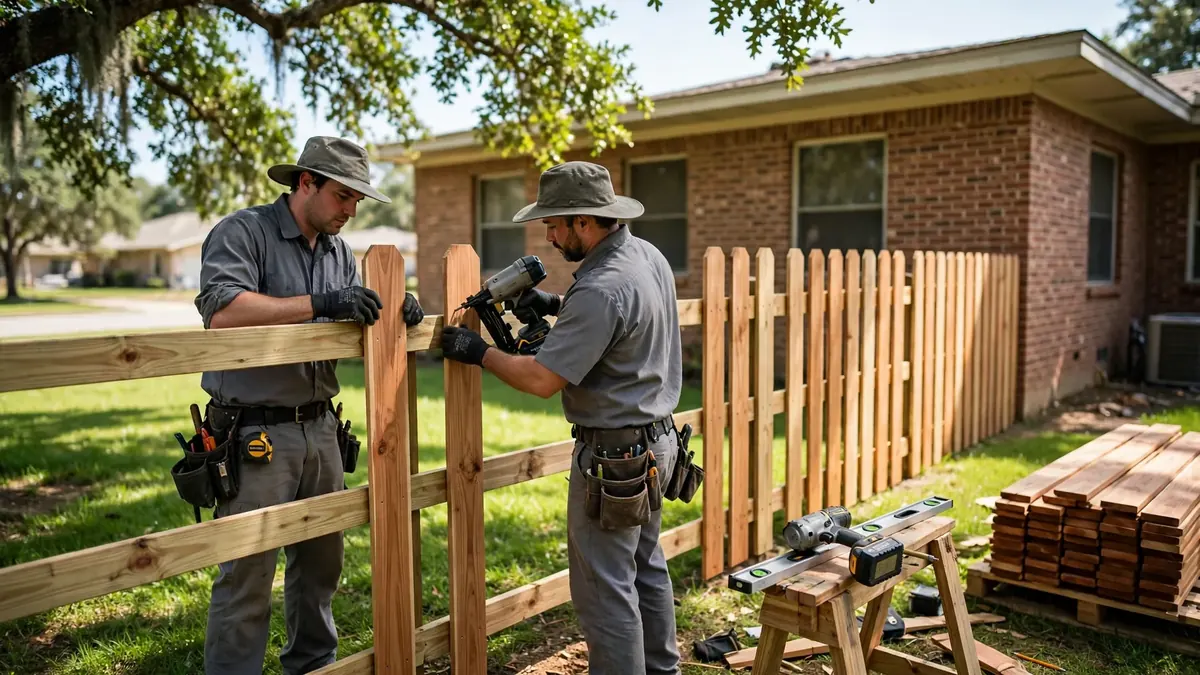
Many HOAs around West Columbia specify board-on-board with a top cap and require the finished side to face the street or the neighbor. Shadowbox fences use the same pickets as board-on-board but alternate them on opposite sides of the rails.
On windy lots, shadowbox gives a little relief to the posts while still blocking most views. In West Columbia's newer neighborhoods, upgrades often replace the original builder materials.
Worth knowing before you call: A fence that's built well and stained on schedule can last many years; one built on shallow wood posts may start leaning within a few seasons.
Setting Posts in Shifting Clay Soil
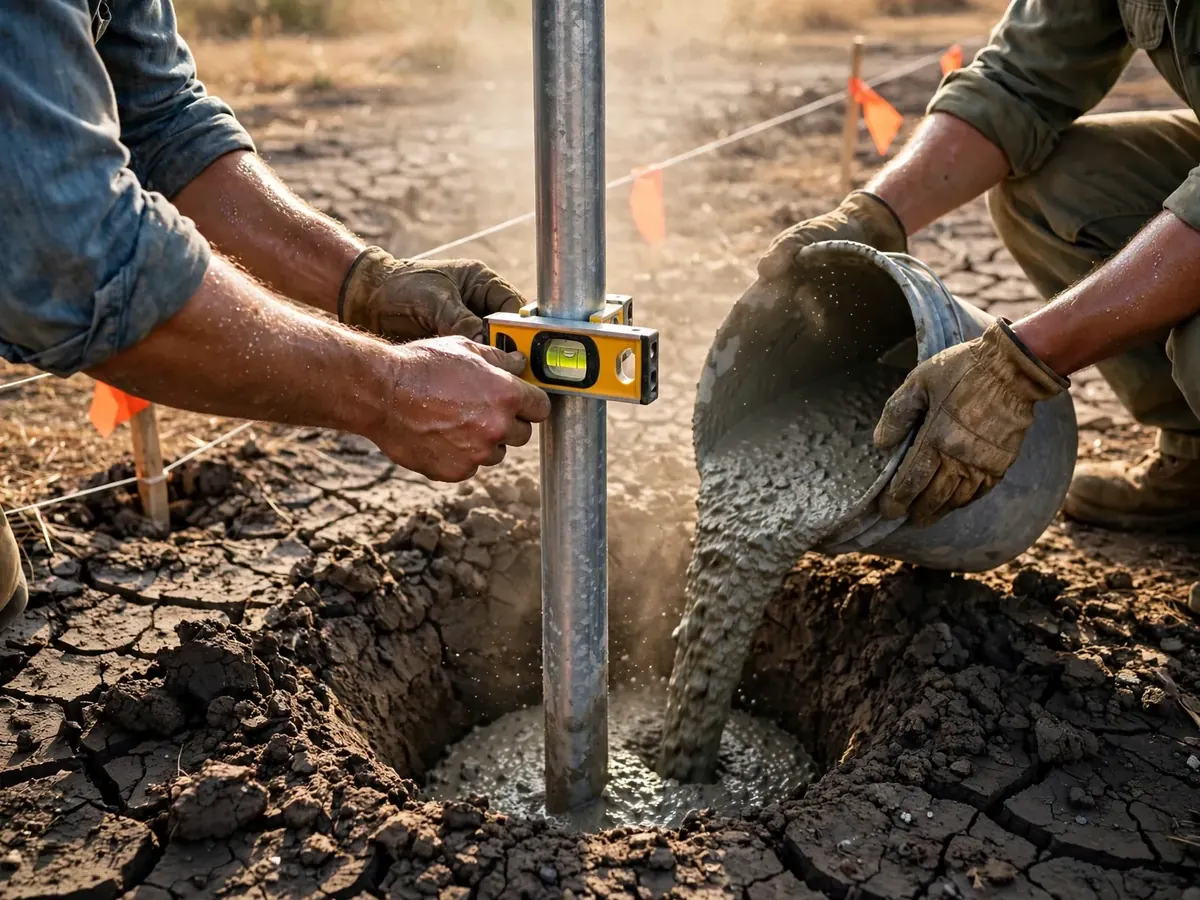
Over a few seasons that movement lifts and tilts posts, which is why so many fences around West Columbia lean. Deeper post holes, concrete footings that sit below the most active layer and a little gravel at the bottom for drainage all help.
Builders who know clay talk about depth and drainage before they talk about pickets; that's a good sign. West Columbia lots that hold water need materials that tolerate wet conditions.
HOA Rules, Permits and Property Lines
Many HOAs specify a stain color by brand and name, so keep a copy of the guidelines handy when you call. Fences belong a few inches inside your property line unless you and your neighbor agree otherwise.
Knowing your property line before talking to neighbors makes those conversations easier.
Sharing a fence with a neighbor? A short conversation before work starts about style, height and which side faces out heads off most disputes.
Other Fence Situations in West Columbia
Pet and Pool Fencing
Pool fencing is a safety barrier, so gate hardware that self-closes and self-latches matters as much as the fence itself.
Building a Fence That Stands Up to Wind
A solid 6-foot privacy fence catches wind like a sail, so the loads on its posts are far higher than most people expect.
Wrought Iron and Aluminum Fences
Choosing taller posts than the panels lets you add masonry caps or lights later.
Common Reasons West Columbia Homeowners Call
Watch for these around your West Columbia property:
- Old fence leaning or sagging
- Neighbors replacing a shared fence
- HOA requires an approved style
Before You Call
- Find your survey or plat showing property lines
- Measure the rough length of fence needed
- Check HOA fence guidelines and stain colors
- Note your HOA's approved colors and styles so the fence builder can quote the right materials
- Notice whether nearby fences or the house foundation show signs of soil movement
Fence Installation in West Columbia: Talk to a Local Fence Builder
When you call 877-753-1892, start with the address area in West Columbia, what you want built or fixed and when you'd like it done. A fence builder can then explain the options and what drives the price. Have a question about your fence? A quick call is the fastest way to get it answered.
877-753-1892Fence Questions From West Columbia Homeowners
How long does a cedar fence last in West Columbia?
A well-built cedar fence often lasts many years, longer with steel posts and regular staining. Wood posts and unstained pickets in wet or shifting soil wear out sooner. In West Columbia, that comes down to your lot and how the fence is built.
Is a fence a good DIY project in West Columbia?
If you DIY, consider hiring out just the posts and footings, which is where experience matters most. Thinking about doing it yourself? Pickets are easy; setting posts plumb and deep enough to survive the rainy spring and hurricane season is the part most DIY fences get wrong.
What should West Columbia homeowners know about fence projects?
In West Columbia, building for tropical storm winds means deeper posts, stronger connections and closer spacing. Flat, low ground and heavy clay mean water sits around posts after storms, which speeds up rot at the base of wood posts.